Water tanks across Australia face constant environmental stress, but few factors affect structural integrity as strongly as temperature effects tanks during sudden weather changes. Rapid heating, cooling, thermal cycling, and seasonal extremes all contribute to accelerated material fatigue, expansion, and long-term damage.
For facilities relying on reliable water storage, understanding how temperature impacts tank performance is critical — especially when choosing materials, monitoring wear, and applying long-term protection solutions such as tank liners.
How Temperature Affects Different Tank Materials
1. Steel Tanks — Expansion, Contraction & Stress Fatigue
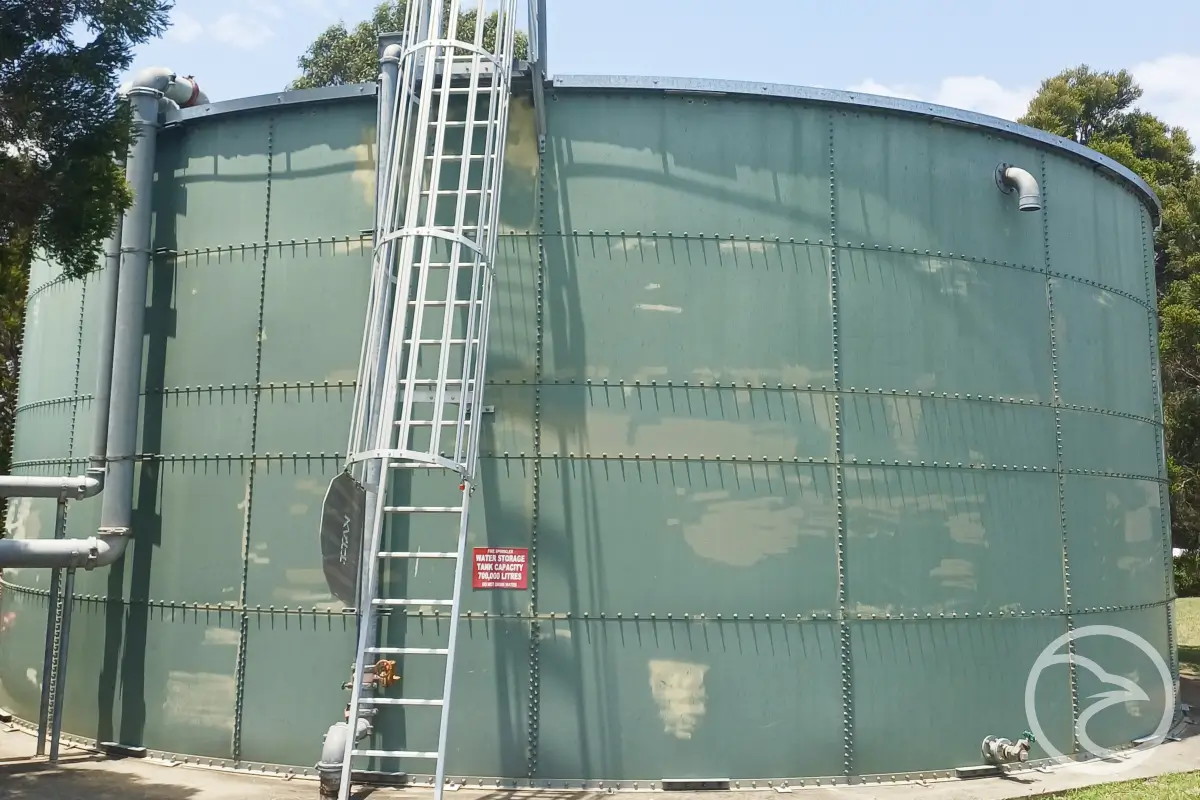
Steel naturally expands when heated and contracts when cooled. Repeated temperature cycles weaken welded seams, roof joints, bolts, and wall panels, increasing the risk of structural distortion and corrosion.
Regular monitoring through professional tank inspections helps detect early signs of thermal stress before serious damage develops.
2. Concrete Tanks — Cracking Under Thermal Stress
Concrete has a slow thermal response but is extremely vulnerable to temperature-driven cracking.
Thermal gradients cause internal stress, leading to:
- surface cracking
- spalling
- liner delamination
- accelerated leakage
Applying high-quality liners significantly reduces thermal stress by creating a flexible internal barrier.
3. Poly & Composite Tanks — UV Heat Damage
Polyethylene and composite tanks absorb heat quickly. Prolonged exposure causes:
- material softening
- UV degradation
- warping or bulging
- reduced pressure resistance
Temperature fluctuations shorten their lifespan dramatically if no protection is installed.
What Thermal Expansion Actually Does Inside a Water Tank
- Panel distortion & loss of structural alignment: Steel and composite panels move under thermal load, loosening bolts and panel junctions.
- Seal failure around joints and penetrations: Gaskets and sealants degrade faster when exposed to fluctuating temperatures.
- Increased corrosion risk: Warm temperatures + oxygen exposure accelerate rust formation on steel.
- Internal liner stress: Temperature swings can overstretch or shrink poorly installed liners.
How to Reduce Temperature-Related Tank Damage
1. Install High-Performance Protective Liners
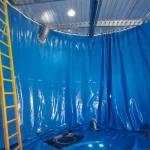
A high-quality internal liner acts as a thermal buffer, absorbing expansion stress and preventing heat-driven corrosion.
These solutions are ideal for both potable and industrial storage systems.
2. Conduct Routine Temperature-Focused Inspections
Inspections are essential for identifying temperature-related deformation such as:
- panel bowing
- cracking
- seam movement
- roof stress
- corrosion under insulation
Include seasonal assessments to track changes during hot summers and cool nights.
3. Repair Temperature Damage Before it Spreads
When temperature effects tanks to the point that fluctuations create structural damage — such as cracking, buckling, leaking joints, or expansion-related deformation — timely repairs are critical to prevent full tank failure.
In cases where thermal expansion has already caused visible deformation or leakage, professional tank repairs restore integrity and prevent further deterioration.
4. Choose Materials Built for Thermal Cycling
Consider:
- HDG steel for high UV regions
- stainless steel for environments with large day–night temperature swings
- flexible liners for concrete tanks
- insulated roofs for metal tanks

When to Call Tank Liners Australia by Raven Tanks Australia
Extreme temperatures are unavoidable in many regions of Australia — but temperature-related tank damage ispreventable.
Tank Liners Australia by Raven Tanks Australia provides:
- tank liner installation & replacement
- seasonal & thermal stress inspections
- structural repair for heat-related damage
- long-term corrosion and temperature protection systems