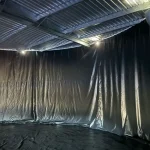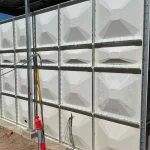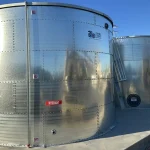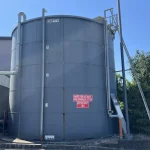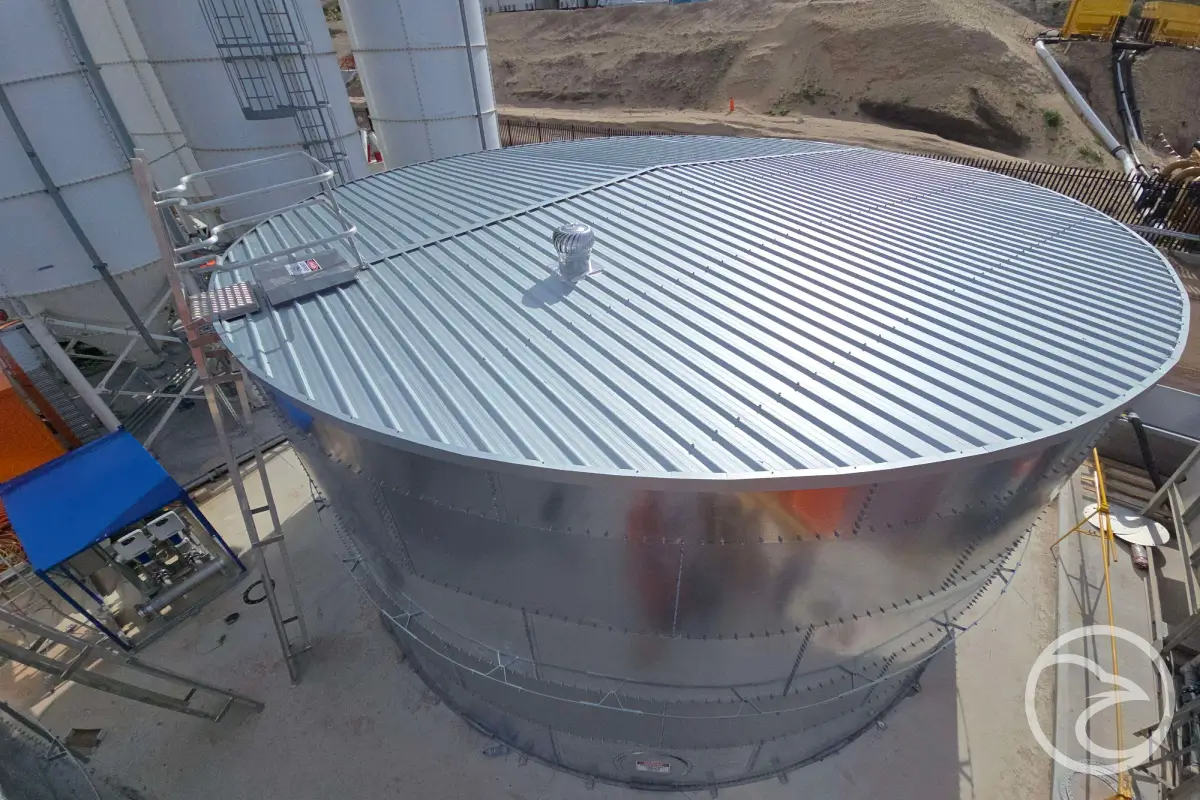
Galvanized water tanks are widely used for storing water across commercial, industrial, agricultural, and other facilities. Their zinc-coated steel construction provides protection against corrosion and supports long-term water storage.
However, galvanizing does not make a tank maintenance-free. The zinc layer, tank components, joints, fittings, and internal surfaces can change over time. Water chemistry and environmental conditions can also influence deterioration.
Regular galvanized water tank maintenance helps facility owners understand these changes before they become more serious. It combines routine checks, cleaning, inspection findings, preventative work, and documented follow-up.
Maintenance is particularly important because some problems develop internally. They may remain unnoticed until leakage, corrosion, water quality changes, or structural deterioration becomes visible.
This guide explains what hdg water tank maintenance involves, when it is needed, and what should be checked. It also covers cleaning, inspections, reporting, and the next steps after problems are identified.
Visit our hot-dipped galvanised tanks page to explore reliable solutions for long-term water storage requirements.
What is Galvanized Water Tank Maintenance?
Galvanized water tank maintenance is the ongoing process of monitoring and maintaining a galvanized steel water storage system. It is not a single task performed only when something goes wrong. Maintenance combines preventative activities with condition assessment and corrective work when required.
A maintenance program can include:
- external visual checks;
- internal condition assessment;
- corrosion monitoring;
- checking panels and joints;
- checking bolts and fasteners;
- examining fittings and penetrations;
- monitoring sediment;
- tank cleaning;
- reviewing structural components;
- checking access systems;
- identifying leaks;
- documenting changes;
- planning repairs.
The exact scope depends on the tank design, age, application, environment, and maintenance history. The stored water also matters. A potable water tank may have different maintenance considerations from a fire or process water tank.
Why is HDG Water Tank Maintenance Important?
Galvanized steel uses a zinc coating to protect the underlying steel. This protective system significantly improves corrosion resistance. However, the coating does not remain completely unchanged throughout the tank’s life. Its performance depends on exposure, water conditions, mechanical damage, and other factors.
Australian galvanizing guidance notes that zinc performs best within suitable environmental conditions. Highly corrosive environments and unsuitable pH conditions can increase deterioration.
Maintenance helps identify these changes early. It can also reduce the chance of small defects developing into larger operational problems.
Good maintenance can help:
- identify early corrosion;
- monitor coating condition;
- detect leaks;
- manage sediment;
- identify deteriorating components;
- support water quality management;
- plan repairs;
- reduce unexpected downtime;
- maintain reliable water storage;
- create a condition history for the asset.
Maintenance should therefore be viewed as asset management rather than occasional cleaning.
What does Galvanized Water Tank Maintenance Include?
A complete maintenance approach looks at the tank as a system. The galvanized shell is only one part of that system. Fasteners, joints, seals, fittings, supports, access points, pipework, and foundations can also affect performance.
Maintenance may involve checking the external and internal condition. Cleaning requirements and previous inspection findings should also be reviewed.
The objective is to answer several questions. Is the tank operating normally? Has its condition changed? Are defects developing? Does anything require repair now? What should be monitored during the next maintenance cycle?
These questions help move maintenance from reactive work toward preventative asset management.
What Should be Checked During Maintenance?
The exact checklist depends on the tank, but several areas generally deserve attention.
Galvanized Surfaces
Galvanized surfaces should be checked for changes in coating condition and signs of corrosion. Areas showing rust, damaged galvanizing, unusual deposits, or material loss may require further assessment.
The location of corrosion is also important. Local deterioration around a fitting may have a different cause from widespread surface changes.
Tank Panels and Walls
Walls and panels should be observed for physical damage or unexpected movement.
Possible warning signs include:
- deformation;
- dents;
- cracking around components;
- damaged surfaces;
- unusual bulging;
- local corrosion.
A change in shape can sometimes indicate a problem beyond the surface itself.
Bolts and Fasteners
Bolts, nuts, washers, and other fasteners contribute to tank integrity. Maintenance should consider corrosion, looseness, missing components, and deterioration around connection points.
Replacing deteriorated bolts or similar components can form part of planned maintenance. Condition assessments are specifically used to determine such maintenance requirements.
Joints and Seals
Panel joints should remain watertight. Moisture, staining, deposits, or active dripping around a joint can indicate a developing problem.
The cause should be investigated rather than assuming every leak requires only a new seal.
Inlets, Outlets and Penetrations
Connections through the tank wall create areas requiring careful attention. Check for leakage, corrosion, movement, and deterioration around these locations.
Pipework should not place unnecessary loads on the tank.
Roof and Access Points
Tank roofs, hatches, vents, and access components help protect stored water. Openings should prevent insects, animals, and sunlight from entering suitable water storage tanks. Australian plumbing requirements specifically address these protections.
Damaged or poorly sealed access points should therefore be addressed as part of maintenance.
Internal Structural Components
Where the tank includes internal supports or bracing, their condition can influence overall performance. Corrosion, loose connections, and material loss may require further investigation.
These components can be difficult to assess through external checks alone.
Tank Base and Foundation
Maintenance should not stop at the tank walls. The base and surrounding support should also be observed. Look for unusual movement, standing water, deterioration, settlement, or changes around the tank foundation.
The Connection Between Maintenance and Tank Inspection
Maintenance and inspection are closely connected, but they are not exactly the same. Inspection is primarily about understanding condition. Maintenance uses that information to preserve or restore acceptable operation.
For example, an inspection may identify corrosion around several bolts. The maintenance response could involve replacing affected components and monitoring surrounding areas.
An inspection may also identify sediment. Cleaning can then be scheduled as part of maintenance. This relationship can be represented simply:
Inspection → findings → maintenance priorities → corrective work → monitoring.
Water Corporation’s steel tank guidance describes routine inspection as a way to record condition, determine maintenance needs, forecast problems, and assess previous repairs.
Without inspection, maintenance can become reactive. Work may only happen after a visible leak or other failure appears. Regular condition information helps facility owners make more informed maintenance decisions.
Why Internal Inspection Matters
Many important changes occur inside galvanized water tanks. External surfaces cannot reveal every internal problem.
Internal assessment can help identify:
- sediment;
- internal corrosion;
- damaged coatings;
- deteriorated components;
- problems around joints;
- condition of internal bracing;
- unusual deposits;
- previous repair condition.
The inspection method depends on the tank and operational requirements. Where internal access is required, safety requirements must also be considered. Water tanks can involve confined-space hazards. Remote inspection methods may provide another option for suitable tanks.
The main objective is obtaining useful information without introducing unnecessary risks or operational disruption.
Galvanized Water Tank Cleaning
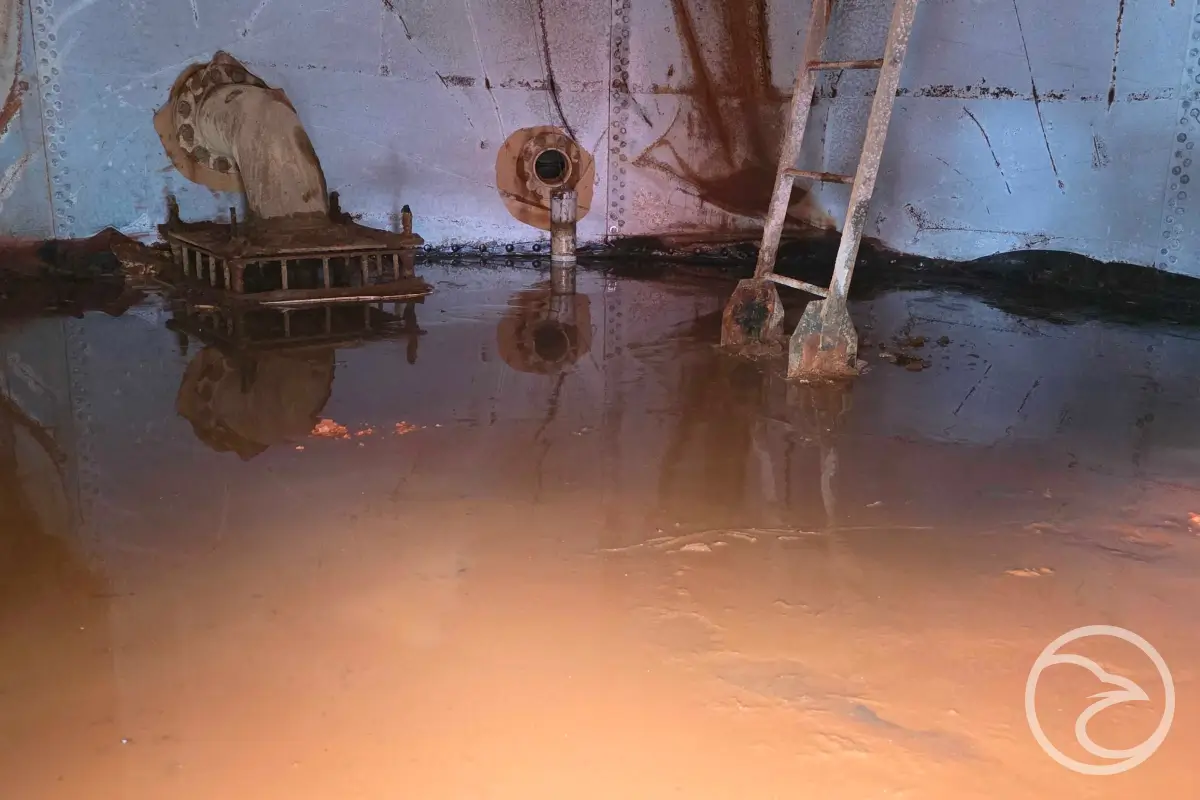
Cleaning is an important part of galvanized water tank maintenance, but it requires the correct approach. Sediment, dirt, organic material, and other deposits can gradually accumulate inside a tank. These deposits may affect internal conditions and make detailed inspection more difficult.
Cleaning can remove accumulated material and expose the tank floor for closer assessment. However, galvanized surfaces should not simply be aggressively scrubbed. Australian health guidance warns that harsh cleaning can remove the protective layer that develops inside steel tanks. This can accelerate corrosion rather than improve tank condition.
Galvanizing guidance similarly advises against repeated abrasive cleaning because it can remove the protective zinc patina. The cleaning method should therefore suit both the tank material and the type of contamination.
What can be Removed During Tank Cleaning?
Cleaning typically focuses on unwanted accumulated material rather than stripping sound protective surfaces.
Depending on tank conditions, this may include:
- sediment;
- sludge;
- loose debris;
- leaf material;
- foreign matter;
- suitable removable deposits.
Cleaning can also improve visibility. Once sediment is removed, previously hidden sections of the floor become easier to assess. For professional sediment and debris removal, explore our water tank cleaning services for commercial and industrial water storage systems.
Water Corporation guidance, for example, describes cleaning sediment before conducting detailed photographic inspection of steel tanks. This makes cleaning a useful opportunity for condition assessment.
How often does a Galvanized Water Tank Need Maintenance?
There is no single maintenance interval suitable for every galvanized tank. The appropriate schedule depends on the asset and its operating environment.
Factors include:
- tank age;
- tank design;
- water source;
- water chemistry;
- tank application;
- environmental exposure;
- corrosion history;
- previous repairs;
- sediment accumulation;
- inspection findings;
- relevant standards or site requirements.
Some Australian guidance recommends checking water tanks every two to three years for sediment accumulation. The NCC also notes regular removal of accumulated sludge at the base.
That does not mean every galvanized commercial tank requires identical maintenance every two or three years. Condition and application should guide the broader maintenance program.
A tank with developing corrosion may require closer monitoring. A tank with recurring leaks may also justify shorter intervals between assessments.
Signs a Galvanized Water Tank Needs Maintenance
Facility owners should not rely entirely on a calendar. Changes in tank condition can provide important warning signs.
Common indicators include:
- visible rust;
- active leakage;
- moisture around joints;
- corrosion around bolts;
- damaged galvanizing;
- unusual staining;
- sediment accumulation;
- deteriorated fittings;
- damaged access components;
- panel deformation;
- unusual water appearance;
- recurring maintenance problems.
Some signs require more urgent investigation than others. A small stable surface change may simply require monitoring. An active leak or significant deformation can require faster action.
The important point is to investigate changes rather than wait for the next scheduled maintenance date.
Corrosion as a Maintenance Warning Sign
Corrosion deserves particular attention in galvanized water tanks. The zinc coating provides protection, but environmental and operating factors can influence its service life. Corrosion can become more likely where protective surfaces are damaged or unsuitable conditions persist.
Dissimilar metals are another consideration. Direct contact between copper or copper-alloy fittings and steel tanks can contribute to corrosion. National rainwater guidance recommends separation between these materials.
Facility owners should pay attention to both the presence and pattern of corrosion. Repeated corrosion in one location may indicate an underlying cause. Simply treating the visible surface without understanding that cause may result in the problem returning.
Sediment as a Maintenance Indicator
Sediment naturally accumulates in many water storage systems. Its presence does not automatically mean the tank is failing. However, increasing sediment levels can indicate that cleaning should be considered.
Sediment can also hide the floor surface and make assessment more difficult. Facility owners should consider how quickly it accumulates and whether conditions have changed since previous checks.
A sudden increase may justify investigating the incoming water or tank protection systems.
Leaks and Water Loss
Water around a galvanized tank should never automatically be assumed to come from rainfall or condensation. Check where the moisture begins.
Possible sources include:
- panel joints;
- seals;
- fittings;
- outlets;
- penetrations;
- damaged areas;
- pipework.
Recurring leakage deserves particular attention. Repeatedly repairing the same location may indicate movement, deterioration, or another unresolved cause.
Maintenance should address the cause rather than only the visible symptom. To understand how maintenance, water conditions, and corrosion can affect tank lifespan, read how long do galvanized water tanks last.
What can be Discovered During Maintenance?
Maintenance activities can reveal much more than the original reason for the visit. For example, a planned cleaning may expose corrosion previously hidden beneath sediment. A joint check may identify deteriorating fasteners nearby.
An external assessment may reveal foundation movement affecting another part of the tank.
Common findings can include:
- early corrosion;
- coating deterioration;
- damaged fasteners;
- joint leakage;
- sediment;
- damaged fittings;
- structural movement;
- internal component deterioration;
- previous repair failure;
- contamination entry points.
These findings should be documented. The next step depends on their severity and likely cause.
What Happens After a Problem is Found?
Not every maintenance finding requires immediate major repair. The response should reflect the condition and risk.
A finding may lead to:
- continued monitoring;
- routine maintenance;
- cleaning;
- component replacement;
- local repair;
- further inspection;
- specialist assessment;
- larger rehabilitation work.
For example, a small area of deterioration may only require local attention. Widespread corrosion or structural concerns can require more detailed assessment.
The objective is to prioritise work according to condition rather than treating every finding equally.
The Role of the Maintenance Report
A maintenance report is one of the most useful outcomes of professional tank assessment. The report creates a record of the tank’s condition at a specific point in time.
It can document:
- areas inspected;
- visible defects;
- corrosion;
- sediment levels;
- leaks;
- damaged components;
- photographs;
- previous repair condition;
- recommended actions;
- maintenance priorities.
Good reporting also allows comparison between maintenance cycles. A photograph of corrosion today becomes much more useful when compared with the same area during the next inspection.
Reports can therefore help identify whether deterioration is stable, slow, or accelerating.
From Inspection Report to Maintenance Plan
A report should not simply be stored after the inspection. Its findings should inform the next maintenance decisions. Actions can be prioritised according to urgency.
For example: Immediate actions may address active leaks or serious safety concerns. Short-term actions may include cleaning, replacing deteriorated components, or repairing local damage. Long-term actions may involve monitoring corrosion, planning refurbishment, or budgeting for future work.
This creates a more structured maintenance cycle. Instead of responding to failures individually, facility owners can plan work around actual asset condition.
Preventative vs Reactive Maintenance
Reactive maintenance begins after a problem becomes obvious. A tank leaks, a fitting fails, or corrosion becomes extensive. Work is then arranged to correct the problem. Preventative maintenance takes a different approach.
The tank is checked before major failure occurs. Developing problems are documented and managed earlier.
Preventative maintenance can include:
- scheduled inspections;
- corrosion monitoring;
- sediment checks;
- appropriate cleaning;
- fitting checks;
- joint monitoring;
- maintaining access components;
- reviewing previous defects.
Neither approach can eliminate every unexpected problem. However, condition-based preventative maintenance provides more information for planning.
Why Maintenance History Matters
A single inspection provides a snapshot. Several inspection and maintenance records create a timeline. That timeline can be much more useful.
Facility owners can see whether a defect is new or recurring. They can also determine whether previous repairs have remained effective.
Maintenance history can answer questions such as:
- Is corrosion spreading?
- Is sediment accumulating faster?
- Has the same joint leaked before?
- Was this component previously repaired?
- Is deformation increasing?
- Are maintenance intervals appropriate?
Water Corporation guidance specifically includes checking whether previous repairs remain effective as part of steel tank condition assessment. Records turn maintenance from isolated tasks into long-term asset management.
Can Facility Owners Perform their Own Maintenance Checks?
Basic external observations can form part of routine facility management. Personnel can watch for obvious leakage, corrosion, damaged fittings, or unusual changes. They can also keep maintenance areas accessible and document visible conditions.
However, detailed tank assessment can require specialist knowledge and equipment. Internal tank entry can also create significant safety risks.
NSW Health notes that tanks can present confined-space hazards and advises considering professional tank cleaners where appropriate. Facility personnel should therefore distinguish between routine observation and specialist inspection or maintenance work.
What Happens if Galvanized Tank Maintenance is Delayed?
A missed maintenance date does not mean a tank will immediately fail. The concern is that developing problems may remain unnoticed. Corrosion can continue progressing. Sediment can accumulate. Leaks can worsen, and damaged components can deteriorate further.
Delayed maintenance can potentially lead to:
- greater corrosion;
- larger leaks;
- increased sediment;
- more extensive repairs;
- water quality concerns;
- unplanned downtime;
- reduced asset reliability;
- higher future maintenance costs.
Early identification usually provides more options. Once deterioration becomes widespread, repair choices may become more limited.
How to Build a Galvanized Water Tank Maintenance Plan
A practical maintenance plan should be based on the actual tank. Start by documenting basic asset information. This can include tank age, capacity, application, construction, water source, and previous maintenance.
Then establish a routine for condition monitoring.
Important elements can include:
- regular external observations;
- planned condition inspections;
- sediment monitoring;
- appropriate cleaning;
- corrosion checks;
- fitting and joint checks;
- photographic records;
- repair tracking;
- follow-up inspections.
Maintenance intervals can then be adjusted according to findings. A tank showing stable conditions may continue with its existing program. A tank showing increasing deterioration may require more frequent assessment.
Galvanized Water Tank Maintenance Checklist
A simple maintenance checklist can help facility teams stay consistent.
During routine checks, consider:
- Is there visible external corrosion?
- Are any joints leaking?
- Are bolts or fasteners deteriorating?
- Are fittings secure?
- Are access covers properly sealed?
- Is the tank showing unusual deformation?
- Is water accumulating around the base?
- Is sediment building inside?
- Are internal components deteriorating?
- Have previous repairs remained effective?
- Has the tank been cleaned when required?
- Are current photographs available?
- Have findings been documented?
- Are follow-up actions scheduled?
The checklist should be adapted to the specific tank and application.
Final Thoughts
Galvanized water tank maintenance is more than checking for visible rust. It is an ongoing process that connects inspection, cleaning, condition monitoring, reporting, and corrective work.
The zinc coating provides valuable corrosion protection, but it still requires appropriate care. Tank joints, fasteners, fittings, internal components, and supporting structures also need attention.
Cleaning forms an important part of maintenance, particularly when sediment accumulates. However, galvanized surfaces should be cleaned carefully because aggressive methods can damage protective layers.
Inspection provides the information needed to make better maintenance decisions. It can identify corrosion, leaks, sediment, damaged components, and other developing issues.
The resulting report should then guide the next steps. Some findings may only require monitoring. Others may lead to cleaning, local repairs, component replacement, or more detailed assessment.
Keeping these findings and actions documented creates a useful maintenance history. Over time, that history helps facility owners understand how the tank is changing.
A structured maintenance program ultimately makes galvanized water tanks easier to manage. It helps move the focus from responding to failures toward identifying and addressing problems earlier.