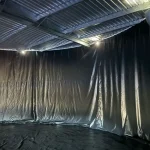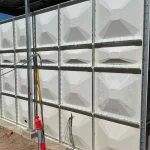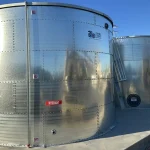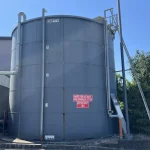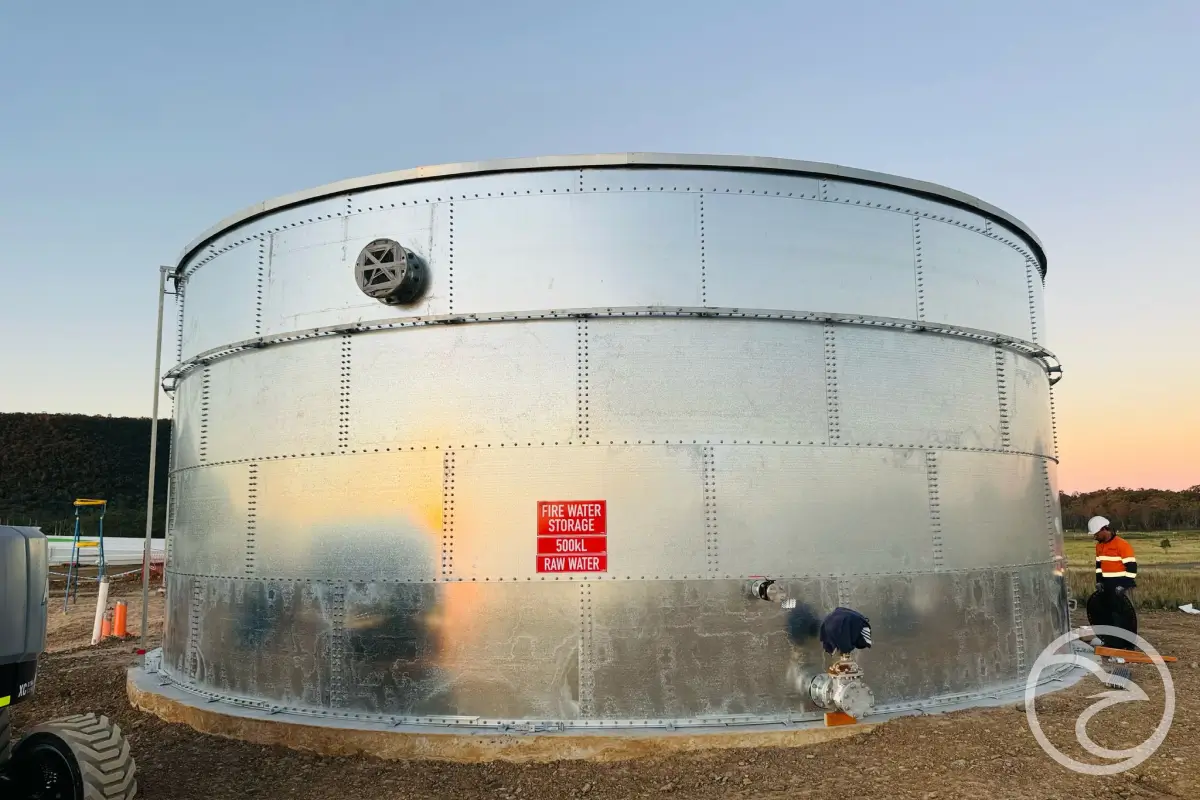
HDG panel tanks are widely used in water storage systems. They are known for their strength and corrosion resistance. Hot dipped galvanised tanks are widely used in water storage systems due to their strength and corrosion resistance. However, like all storage systems, they are not completely free from issues.
Understanding common issues in galvanised tanks helps improve maintenance planning. It also supports long-term performance and reliability.
How Hot Dip Galvanizing Works
Hot dip galvanizing is a process where steel is coated with a layer of zinc. This coating protects the metal from corrosion and plays a key role in how hot-dip galvanizing works to protect steel tanks.
The zinc layer acts as a barrier between the steel and the environment. It also provides sacrificial protection, meaning it corrodes before the steel does.
This process extends the lifespan of hot dipped galvanised tanks. However, it does not eliminate all potential problems.
Surface Corrosion Over Time
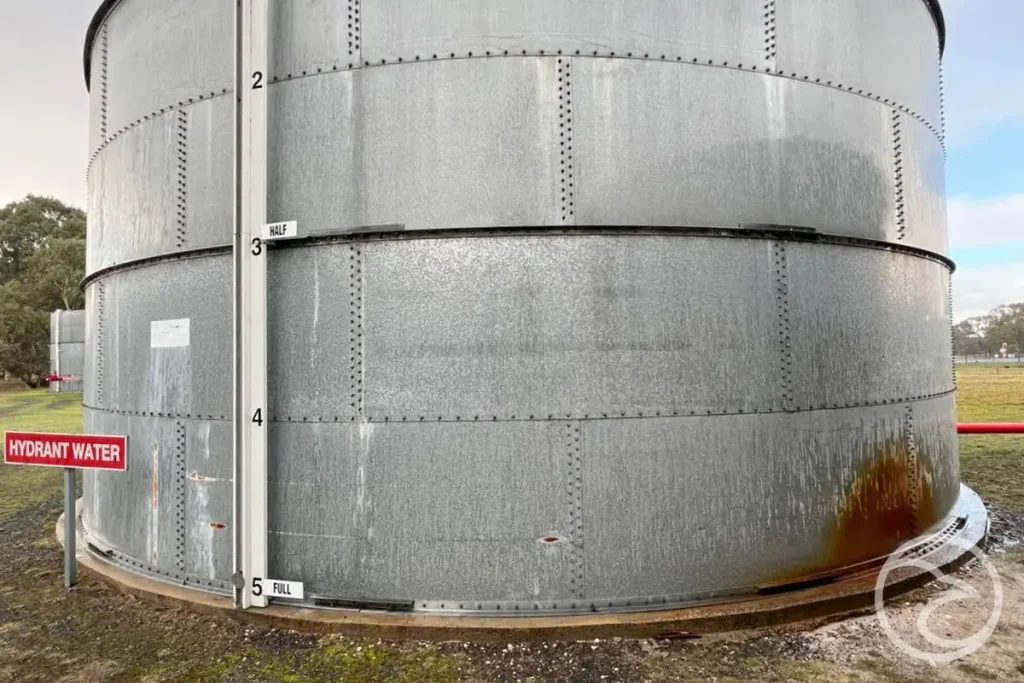
Although galvanised tanks are resistant to corrosion, the zinc layer can wear down. Over time, exposure to moisture and air affects the coating.
When the protective layer becomes thin, the underlying steel may begin to corrode. This usually happens gradually.
Surface corrosion is one of the most common issues in hot dipped galvanised tanks. Regular inspection helps detect it early.
White Rust Formation
White rust is a common issue in galvanised materials. It appears as a white, powdery substance on the surface.
This occurs when zinc reacts with moisture in poorly ventilated conditions. It is more likely to develop during storage or early use.
While white rust does not always cause immediate damage, it can affect the protective coating. Over time, it may reduce corrosion resistance.
Water Chemistry Imbalance
Water quality plays a major role in tank performance. Certain chemical conditions can accelerate corrosion.
For example, low pH levels or high mineral content may affect the zinc coating. Aggressive water can damage the protective layer.
Hot dipped galvanised tanks require stable water conditions to perform effectively. Monitoring water chemistry helps reduce this risk.
Sediment Buildup
Sediment can accumulate at the bottom of the tank over time. This includes dirt, minerals, and organic matter.
Buildup can create uneven surfaces and trap moisture. This may lead to localized corrosion.
Sediment also affects water quality and tank efficiency. Regular cleaning helps prevent these issues.
Coating Damage and Wear
Physical damage to the zinc coating can expose the steel underneath. This may occur during installation or maintenance.
Scratches, impacts, or abrasion can weaken the protective layer. Once exposed, the steel becomes vulnerable to corrosion.
Protecting the coating during handling is important. Even small defects can develop into larger problems.
Joint and Seal Degradation
Hot dipped galvanised tanks often include joints and seals. These components help maintain a watertight structure. Over time, seals may degrade due to age or environmental conditions. This can lead to leaks.
Joint areas are also more vulnerable to wear. Regular inspection ensures that these components remain effective.
Leakage and Structural Stress
Leaks can develop due to corrosion, seal failure, or structural stress. Even small leaks can affect tank performance. Structural stress may occur from pressure, temperature changes, or uneven loading. This can lead to deformation.
Hot dipped galvanised tanks are designed to handle stress, but long-term exposure can create weak points.
Early detection helps prevent more serious damage.
Environmental Factors
External conditions play a significant role in tank performance. Humidity, temperature, and exposure to chemicals all affect the tank. Harsh environments can accelerate coating degradation. Coastal or industrial areas may increase corrosion risk.
Understanding environmental impact helps in planning maintenance strategies.
Importance of Regular Maintenance
Regular maintenance helps manage common issues in galvanised tanks. Inspection allows early detection of corrosion and damage. Cleaning helps remove sediment and maintain water quality. Monitoring water conditions also supports better performance.
Timely maintenance reduces the risk of major repairs. It also extends the lifespan of hot dipped galvanised tanks.
When Issues Become More Serious
If problems are not addressed early, they can become more severe. Corrosion may spread, and leaks may increase. In some cases, simple maintenance is not enough. More extensive repair or refurbishment may be required.
Recognizing when issues escalate is important for maintaining safety and reliability.
Conclusion
Hot dipped galvanised tanks offer strong and reliable water storage, but they are not immune to problems. Common issues include corrosion, white rust, sediment buildup, and coating damage.
Understanding how these issues develop helps improve maintenance and prevent failures. With proper care, hot dipped galvanised tanks can continue to perform effectively over time.