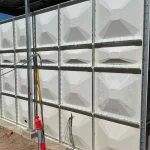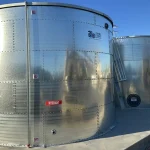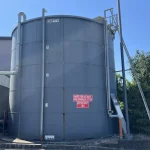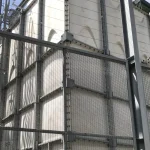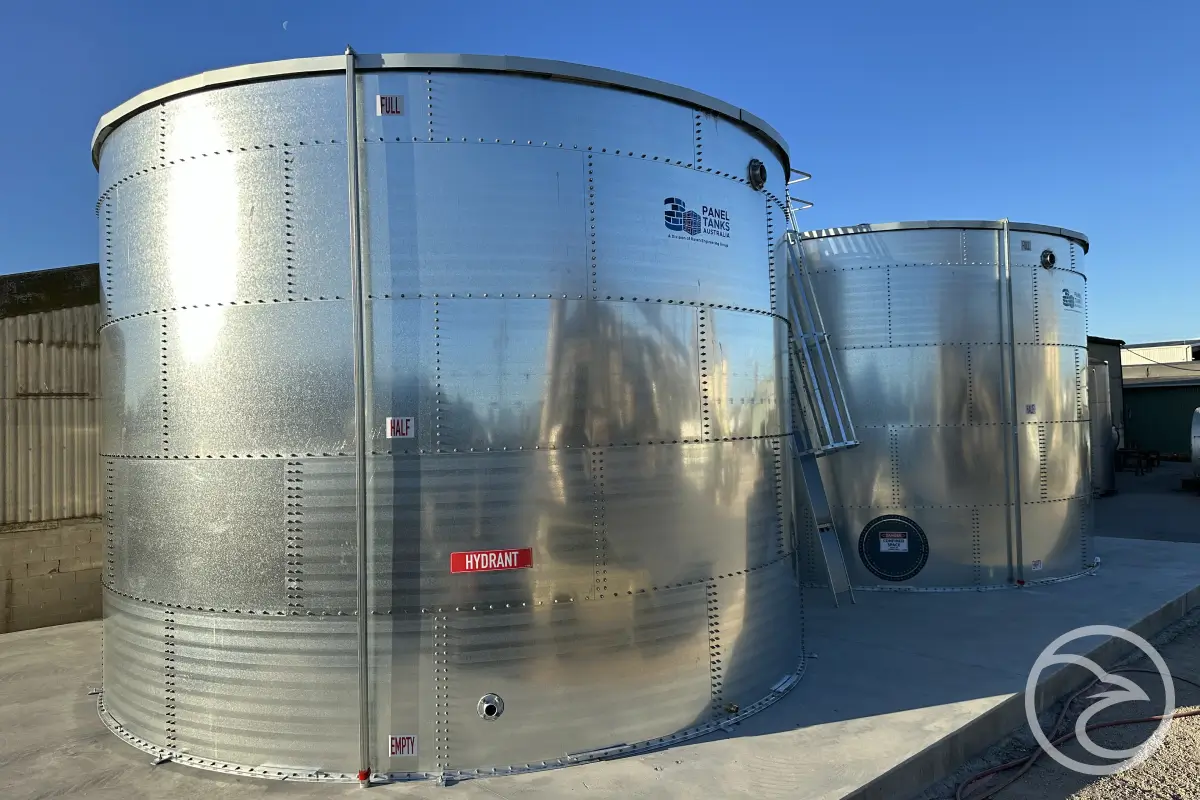
Steel tanks are widely used in water storage and industrial applications due to their strength and durability. However, without proper protection, steel is highly vulnerable to corrosion when exposed to moisture and environmental elements.
One of the most effective methods to protect steel is the hot-dip galvanizing process. This technique creates a durable zinc coating that significantly extends the lifespan of steel tanks and reduces long-term maintenance requirements.
Understanding how this process works helps explain why galvanized steel is commonly used in demanding environments.
What is Hot-Dip Galvanizing?
Hot-dip galvanizing is a process in which steel components are submerged in molten zinc, typically at temperatures around 450°C. During this process, a metallurgical reaction occurs between the steel and zinc, forming a series of protective layers.
Unlike surface coatings that simply sit on top of the material, galvanizing creates a bonded layer that becomes part of the steel itself. This makes the protection more durable and resistant to damage over time.
Step-by-Step Galvanizing Process
The effectiveness of galvanizing depends on several carefully controlled steps. Each stage plays a critical role in ensuring proper adhesion and long-term performance.
1. Surface Preparation
The steel is first cleaned to remove dirt, oil, and contaminants. This step ensures that the zinc can bond properly with the surface.
2. Pickling
The material is treated with an acidic solution to remove mill scale and rust. This creates a clean and reactive surface.
3. Fluxing
A flux solution is applied to prevent oxidation before the steel enters the zinc bath. This step improves coating quality.
4. Hot-Dip Galvanizing
The steel is immersed in molten zinc. During this stage, the zinc reacts with iron to form multiple alloy layers that provide strong protection.
5. Cooling and Solidification
After removal from the zinc bath, the material cools and the coating solidifies, forming a durable outer layer.
6. Inspection
The final product is inspected to ensure coating thickness, uniformity, and quality meet required standards.
Why Galvanizing Protects Steel Tanks
The protective performance of galvanizing comes from both physical and chemical mechanisms.
The zinc coating acts as a barrier, preventing moisture and oxygen from reaching the steel surface. In addition, zinc provides sacrificial protection. Even if the coating is damaged, the zinc will corrode first, protecting the underlying steel.
This dual protection system makes galvanized steel highly resistant to corrosion, even in challenging environments.
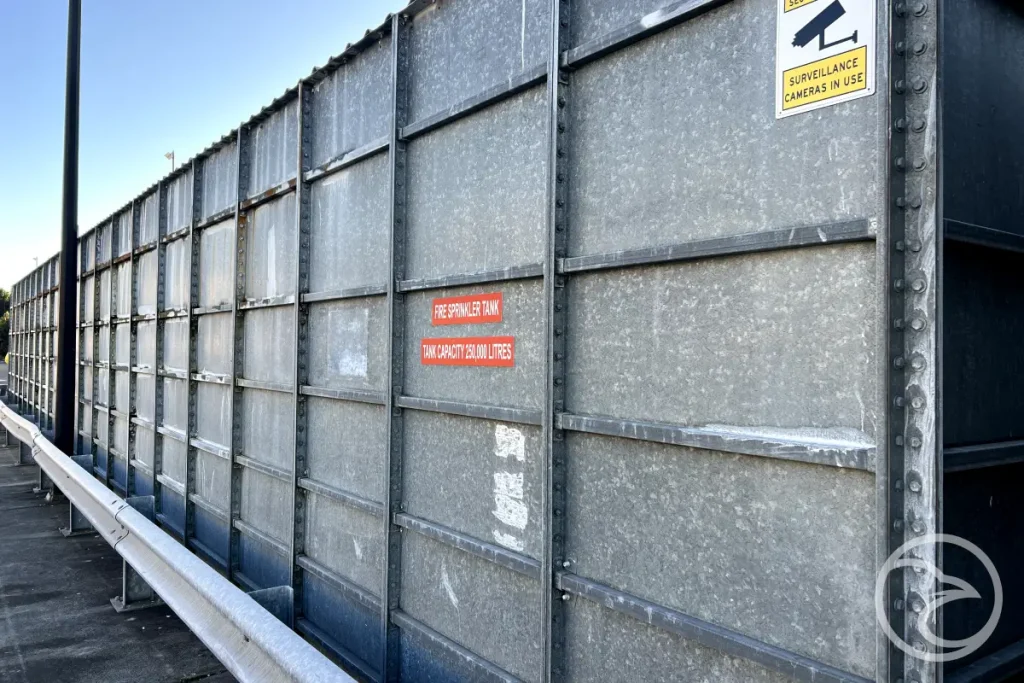
Benefits of Hot-Dip Galvanizing for Water Tanks
Hot-dip galvanizing offers several advantages for water storage systems:
- long-term corrosion resistance
- reduced maintenance requirements
- extended service life
- strong adhesion between coating and steel
- consistent performance in outdoor environments
These benefits make galvanizing a reliable solution for infrastructure that must operate over extended periods.
Where Galvanized Steel Tanks are Commonly Used
Galvanized steel tanks are used across a wide range of applications, including:
- water storage systems
- industrial facilities
- agricultural operations
- infrastructure projects
Their ability to withstand environmental exposure makes them suitable for both urban and remote installations.
Conclusion
The hot-dip galvanizing process plays a key role in protecting steel tanks from corrosion and extending their operational lifespan. By creating a strong, bonded zinc coating, this method ensures long-term durability and reduces the need for frequent maintenance.
Understanding how galvanizing works provides valuable insight into why steel tanks remain a reliable solution for water storage and industrial applications. In many cases, properly engineered galvanized steel tank systems rely on this process to deliver consistent performance in demanding environments.