Maintaining fire protection systems is a legal obligation for Australian property owners. These systems must comply with the strict AS 1851-2012 standards. Historically, inspecting water storage tanks was a logistical nightmare. It required heavy machinery and significant downtime. Today, innovative technologies offer a modern alternative.
This article compares traditional methods with robotic solutions. It will help you choose the most efficient strategy for your facility.
The Evolution of Asset Management in Australia
Asset integrity is critical for industrial and commercial sectors. Regulatory bodies demand regular proof of tank reliability. In the past, this meant manual labor and high risks. However, digital transformation has introduced safer alternatives. Professional drone inspection fire tanks is now a leading industry standard.
This method provides high-quality data without disrupting onsite safety operations. It bridges the gap between strict compliance and operational continuity.
The Traditional Method: Risks and Hidden Costs
The traditional approach involves a physical entry into the tank. This process is often referred to as “drain and entry.”
While common for decades, it presents several major drawbacks for modern businesses:
- Water Wastage: To inspect the interior, you must drain the tank completely. This wastes thousands of liters of treated water. Refilling the tank is expensive and environmentally unfriendly.
- Confined Space Hazards: Sending a person inside a tank is inherently dangerous. It requires “Confined Space Entry” permits and specialized rescue teams. Even with insurance, the liability risks are significant.
- System Downtime: Draining and refilling a large tank can take several days. During this time, your facility lacks adequate fire protection. You may need to hire temporary fire watch services.
- Structural Stress: Emptying a tank rapidly can cause structural strain. Some older tanks rely on water pressure for stability. Removing that pressure may lead to unexpected wall fatigue.
The Rise of Robotic Solutions
Unmanned vehicles are designed to navigate difficult environments. They offer a non-destructive way to assess asset health.
Drones provide a level of detail that human inspectors often miss:
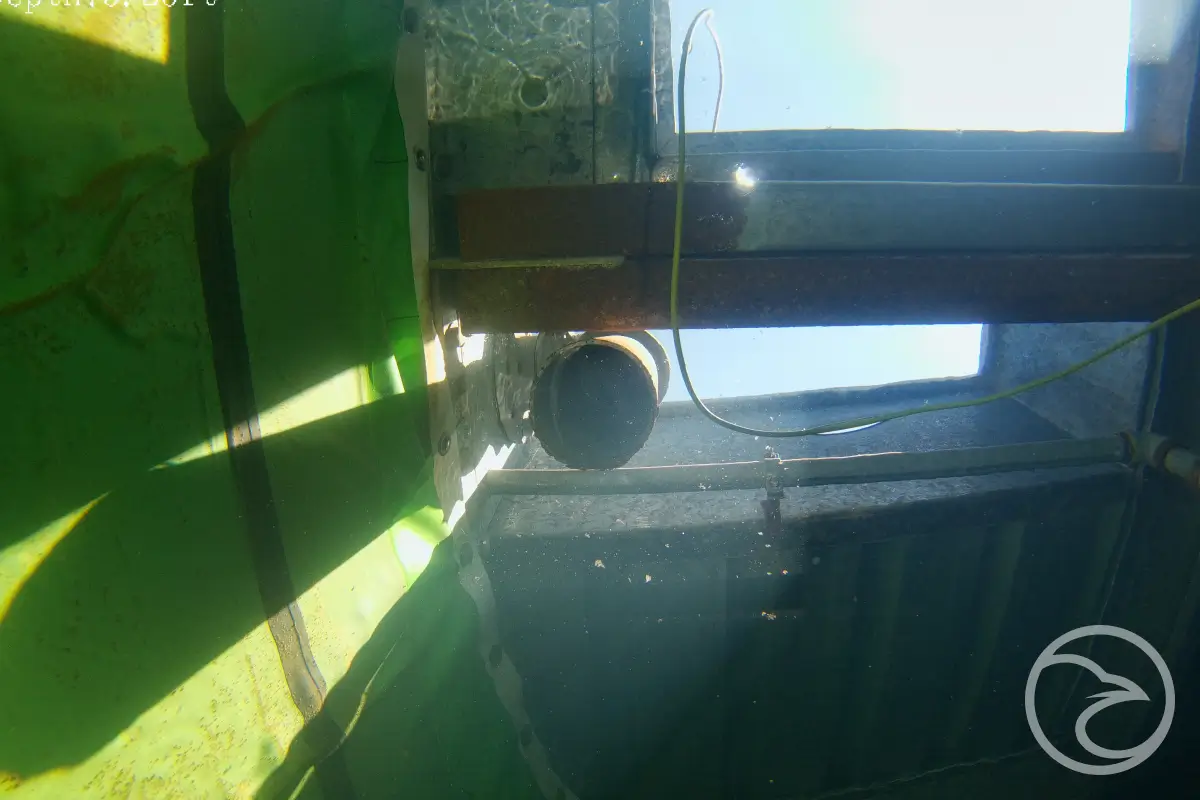
- In-Service Inspections: Underwater drones (ROVs) operate while the tank is full. There is no need to drain the water. Your fire protection remains at 100% readiness throughout the process.
- Enhanced Safety Protocols: The operator remains safely outside the tank. This eliminates the risk of falls or toxic atmosphere exposure. It aligns perfectly with modern WHS (Work Health and Safety) goals.
- Superior Data Capture: Drones use 4K cameras and high-lumen LED lighting. They capture crystal-clear images of every weld and bolt. This data is recorded for future comparison and auditing.
Comparison Table: Traditional vs Drone Fire Tank Inspection
| Feature | Traditional Method | Drone Inspection |
| Water Requirement | Full drainage required | Tank stays full |
| Inspection Time | 2 to 4 days | 2 to 4 hours |
| Personnel Risk | High (Physical Entry) | Zero (Remote Operation) |
| Compliance (AS 1851) | Fully compliant | Fully compliant |
| Facility Protection | Offline during works | Remains Online |
| Cost Efficiency | High (Labor + Water) | Low to Medium |
Technical Analysis: how Drones Operate Inside Tanks
Two types of drones are typically used for a comprehensive survey. Aerial drones inspect the roof, rafters, and upper walls. They are equipped with protective cages to prevent collisions. Underwater ROVs explore the floor and submerged wall sections.
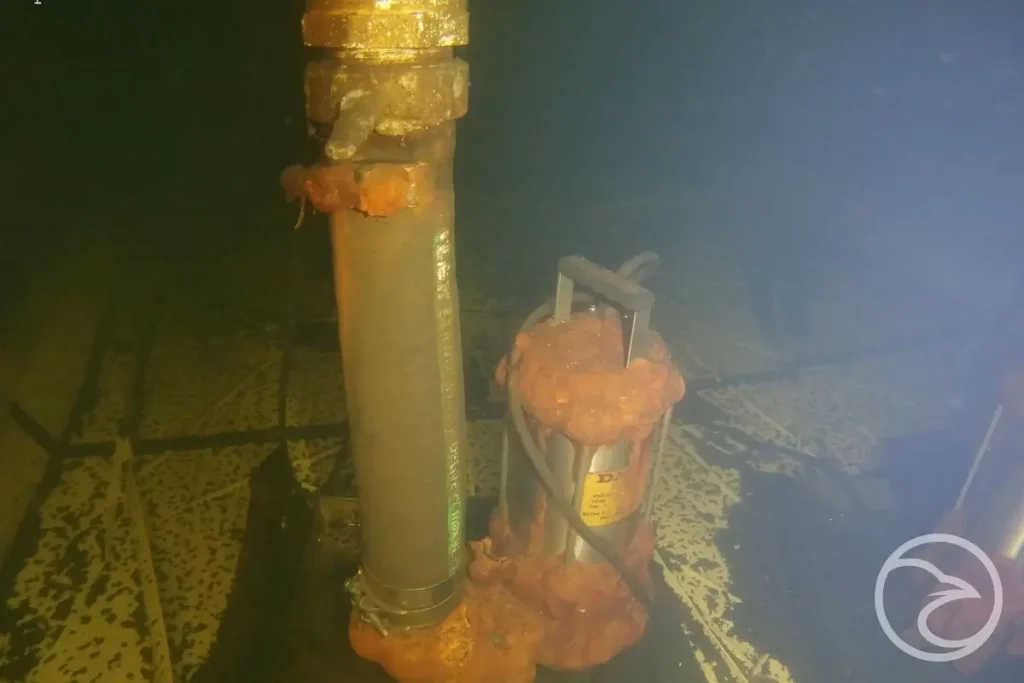
These robots can detect silt buildup and floor corrosion. The live feed is transmitted directly to an engineer’s monitor. This allows for immediate identification of critical defects. It ensures that no area is left unexamined.
Meeting Australian Regulatory Standards
The Australian Standard AS 1851-2012 allows for alternative inspection technologies. The primary requirement is the accuracy of the final report. Reports generated from drone data are exceptionally detailed. They include high-resolution photos and video timestamps of all components. This makes the auditing process much smoother for facility managers.
Insurance providers also prefer these digital records for their transparency. They provide undeniable proof of the tank’s internal condition.
Economic Impact and ROI
While specialized equipment has a cost, the total savings are substantial. You eliminate the need for water replacement and chemical re-treatment. You do not pay for large crews or expensive safety rigging. Most importantly, your business operations continue without interruption. Over time, this reduces the “Total Cost of Ownership” for your assets.
Preventive maintenance becomes a data-driven process rather than a guessing game.
Making the Right Choice for Your Facility
The traditional method is only necessary during major structural repairs. If a tank liner needs replacing, you must drain the water. However, for routine compliance checks, drones are the superior choice. They allow you to track the rate of corrosion over time.
You can identify small leaks before they become catastrophic failures. This proactive approach is the hallmark of modern asset management.
Conclusion
Traditional vs drone fire tank inspection: the choice between old methods and new technology is clear. Safety, cost, and data quality favor the use of robotics. Australian industries are moving toward a “safety-first” digital future.