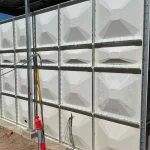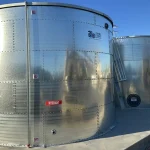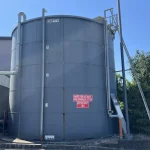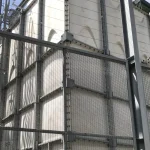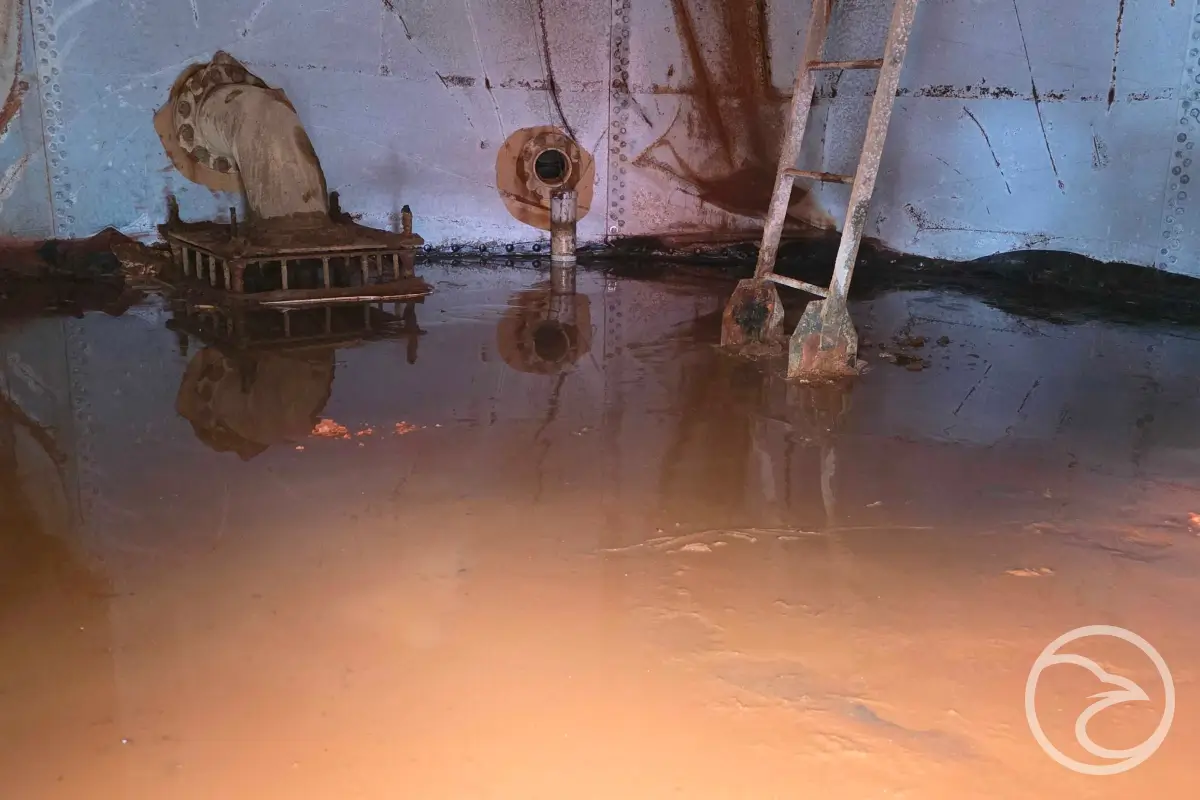
Regular tank cleaning is essential for maintaining system performance and safety. Without proper maintenance, tanks can accumulate sediment, bacteria, and harmful residues. Many facility managers are unsure how often should tanks be cleaned, which often leads to inconsistent maintenance.
Cleaning too rarely increases risk, while over-cleaning wastes time and resources. This guide explains how often commercial tanks should be cleaned and what factors influence the schedule.
Why Tank Cleaning Frequency Matters
Tank cleaning directly affects system efficiency and lifespan. Build-up inside the tank can reduce capacity and contaminate stored materials.
Over time, sediment and sludge create ideal conditions for corrosion and bacterial growth. A consistent tank cleaning schedule helps prevent these issues and ensures reliable operation.
Key Factors that Affect Cleaning Frequency
There is no single schedule that fits all tanks. Cleaning frequency depends on several variables.
1. Type of Stored Material
Different substances leave different residues.
For example:
- potable water tanks require strict hygiene
- wastewater tanks accumulate sludge faster
- chemical tanks may develop hazardous build-up
Each material requires a tailored cleaning schedule.
2. Tank Size and Usage
Larger tanks may take longer to accumulate debris, but they are harder to clean. High-usage tanks require more frequent maintenance due to constant flow and pressure.
Facilities with continuous operations should monitor tanks more closely.
3. Environmental Conditions
External factors influence contamination levels.
Consider:
- temperature fluctuations
- exposure to sunlight
- surrounding dust or debris
Outdoor tanks are more vulnerable to contamination and may need more frequent cleaning.
4. System Age
Older tanks are more prone to internal wear and residue accumulation. As materials degrade, they create surfaces where contaminants can build up more easily.
Regular cleaning becomes more important as the system ages.
5. Regulatory Requirements
Some industries must follow strict cleaning schedules. Compliance standards often define minimum cleaning frequency for safety and hygiene.
Always check local regulations and industry guidelines.
General Tank Cleaning Guidelines
While each system is different, general recommendations can help establish a baseline.
Typical schedules include:
- potable water tanks: every 1–2 years
- wastewater tanks: every 6–12 months
- industrial process tanks: based on usage and material
These guidelines should be adjusted based on actual conditions.
Signs Your Tank Needs Immediate Cleaning
Even with a schedule, unexpected issues can arise. Watch for warning signs that indicate urgent cleaning is required.
Common signs include:
- unpleasant odors
- visible sludge or sediment
- discoloration of stored liquid
- reduced system efficiency
- increased maintenance issues
Ignoring these signs can lead to system failure.
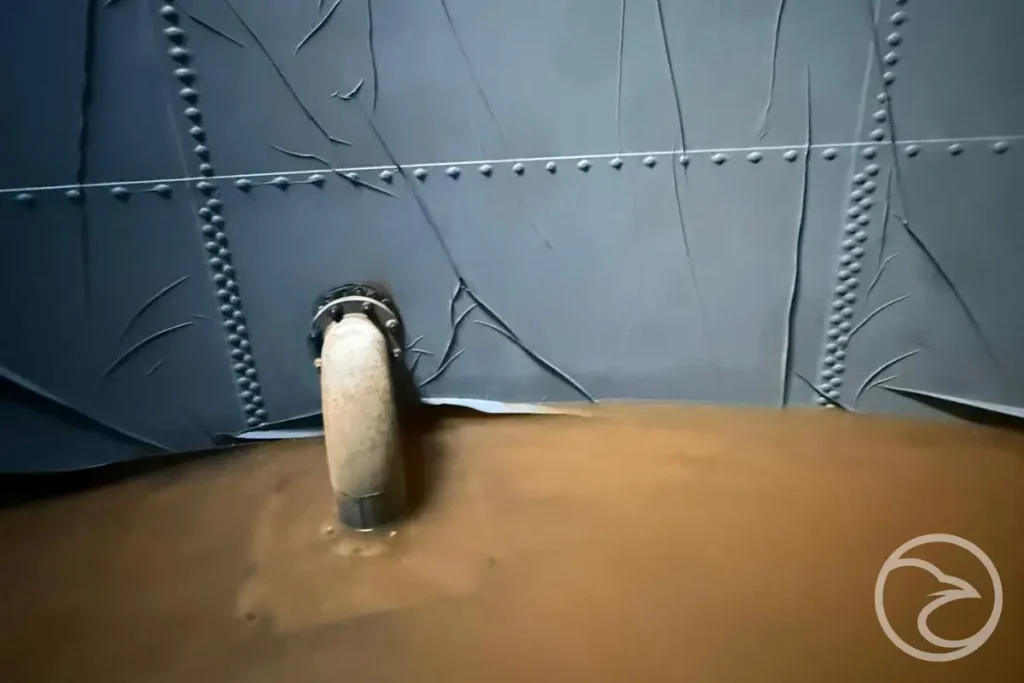
Risks of Infrequent Tank Cleaning
Delaying cleaning can cause serious problems.
Potential risks include:
- contamination of stored materials
- corrosion and structural damage
- reduced tank capacity
- bacterial growth and health hazards
- costly repairs and downtime
Preventive cleaning reduces these risks significantly.
Best Practices for Tank Cleaning Maintenance
To maintain optimal performance, follow these practices:
- establish a regular cleaning schedule
- document all maintenance activities
- perform routine inspections
- act quickly when issues appear
- work with experienced professionals
Consistency is key to long-term system reliability.
How to Optimize Your Cleaning Schedule
The most effective approach combines routine scheduling with condition-based maintenance.
Steps include:
- monitor tank performance regularly
- adjust frequency based on usage
- review inspection reports
- update maintenance plans as needed
This flexible approach improves efficiency and reduces unnecessary costs.
Conclusion
Tank cleaning is a critical part of maintaining commercial storage systems. The right cleaning frequency depends on usage, materials, and environmental conditions when considering how often should tanks be cleaned. A proactive approach helps prevent contamination, reduce risks, and extend system lifespan.
By following a structured maintenance plan, facilities can ensure safe, efficient, and cost-effective operations.