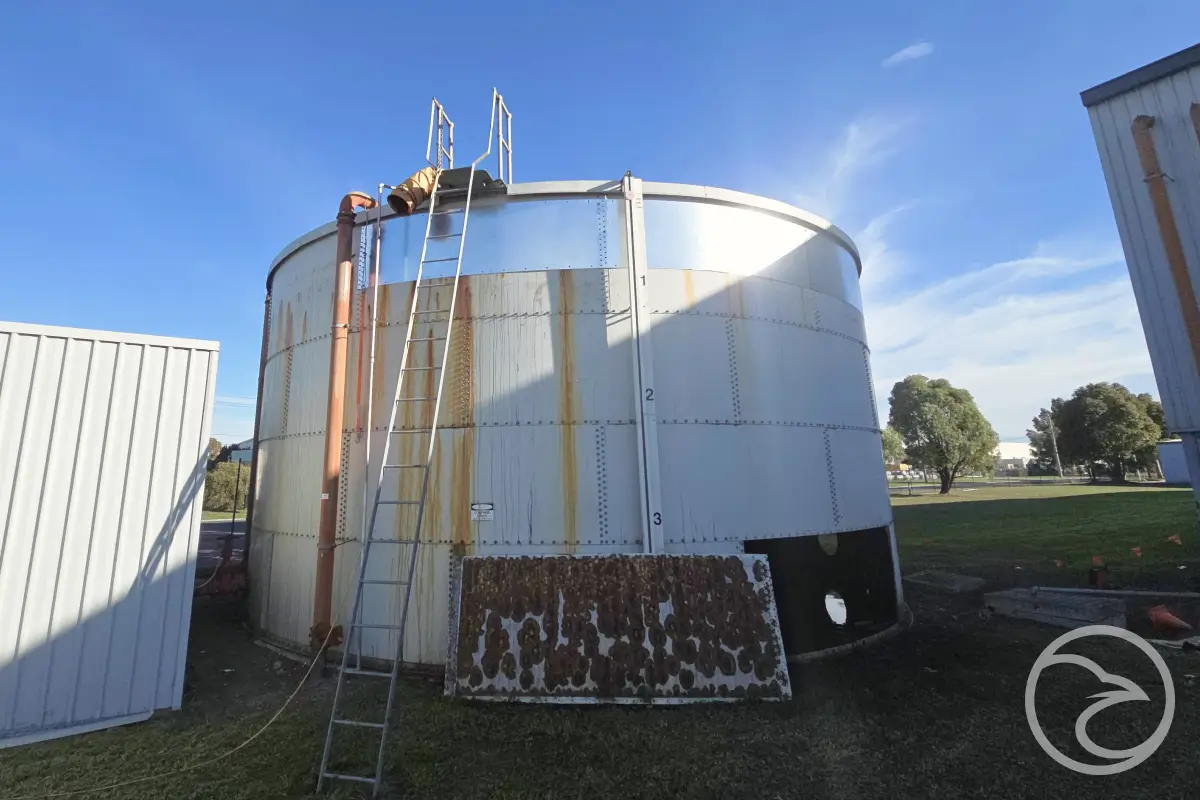
Fire water tanks play a crucial role in Australia’s fire protection systems. They provide reliable water storage for emergencies, industrial safety, and building compliance. However, corrosion is one of the most common and costly problems that can compromise a fire tank’s integrity.
Understanding how corrosion develops—and how to prevent or repair it—can save thousands in replacement costs and keep your property compliant with Australian standards.
Why Fire Water Tank Corrosion is a Serious Risk
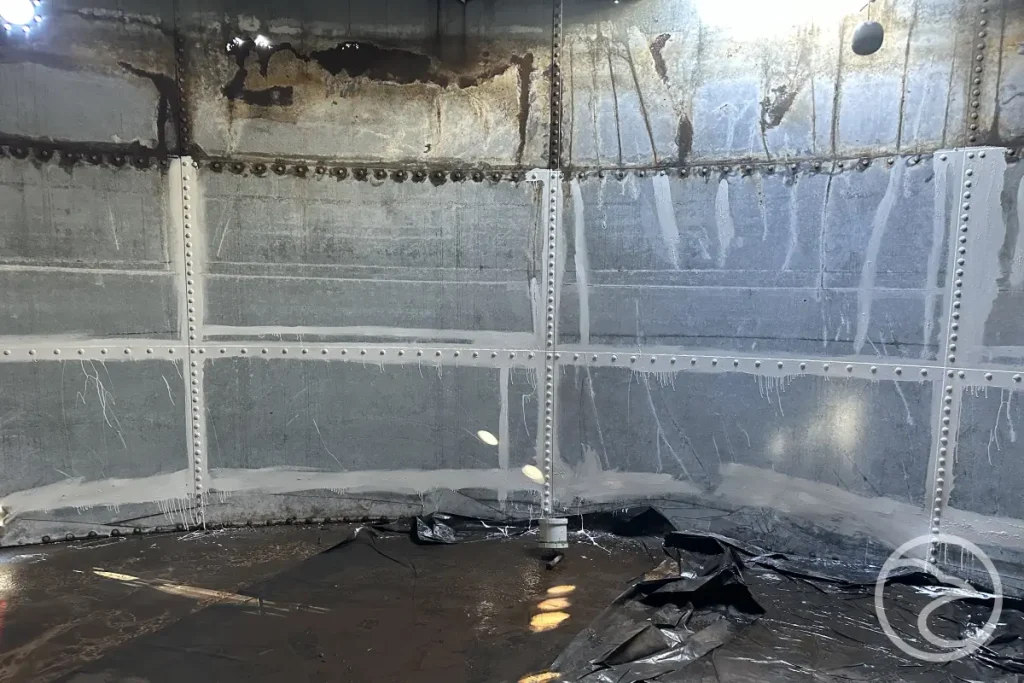
When corrosion starts inside a fire tank, it can silently weaken the structure. Over time, rust eats through the metal surface, leading to leaks, reduced capacity, and contamination of stored water.
In fire protection systems, this kind of damage doesn’t just affect performance—it can lead to non-compliance with AS1851 and threaten the effectiveness of firefighting operations during emergencies.
Most corrosion occurs due to prolonged exposure to moisture, oxygen, and chemical reactions between water and metal surfaces. Without adequate inspection and protection, even high-grade steel tanks can deteriorate quickly in Australia’s diverse climates.
Common Causes of Fire Tank Corrosion
- Irregular Maintenance and Inspections:
Skipping or delaying your annual fire water tank inspection allows small rust patches to grow into structural weaknesses. Corrosion often begins in hard-to-see areas—like under the tank roof, around inlet pipes, or beneath liners—so routine checks are vital. Following the inspection frequency set by AS1851 helps detect issues early and avoid costly shutdowns later.
2. Poor-Quality or Damaged Liners:
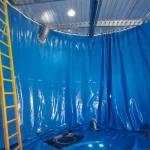
PVC and EPDM liners are designed to protect a tank’s interior from direct contact with water. But once they tear, blister, or delaminate, corrosion begins beneath the surface. Even minor liner damage can expose steel to oxygen and minerals, triggering oxidation.
Using certified, reinforced materials and ensuring correct installation are key to long-term tank corrosion prevention.
3. Water Chemistry and pH Imbalance:
Water chemistry plays a larger role in corrosion than most realise. Low pH levels, high chloride content, or excessive chlorination accelerate metal degradation. Over time, this can cause internal pitting or panel failure. Routine chemical testing and pH balancing can help stabilise water conditions and extend your tank’s service life.
Proven Prevention Methods
- Schedule Regular Fire Tank Inspections: Consistent maintenance is the foundation of prevention. Comprehensive internal and external inspections—performed at least once a year—identify early corrosion, liner wear, or loose fittings. Inspections conducted according to AS1851:2012 ensure that your fire water system remains compliant and ready for emergencies.
- Maintain a High-Quality Liner System: A high-quality liner acts as the first defence against corrosion. Modern PVC and EPDM liners provide a watertight seal and can withstand UV exposure, chemical fluctuations, and extreme temperatures. If your liner shows visible signs of ageing or cracking, immediate tank liner replacement prevents hidden corrosion beneath the surface.
- Apply Protective Coatings and Sealants: Reinforcing the tank’s steel surfaces with epoxy or polyurethane coatings adds another layer of corrosion protection. Coating systems bond with the metal, isolating it from oxygen and moisture. This is particularly effective for hot-dipped galvanised tanks or older steel tanks used in industrial facilities where chemical exposure is common.
Fire Tank Repair and Restoration Options
When corrosion has already started, quick intervention can prevent total tank failure. The type of repair depends on the severity of damage, tank material, and operational requirements.
- Liner Replacement:
Replacing the liner is one of the most efficient solutions for internal corrosion. New liners restore watertight integrity, stop oxidation, and extend tank lifespan by decades. Tank Liners Australia by Raven Tanks Australia provides precision-fitted PVC and EPDM liners custom-made for fire water systems of any capacity.
2. Surface Treatment and Recoating: If corrosion affects exposed steel panels, abrasive blasting removes rust and contaminants. A new epoxy or polyurethane coating can then be applied to restore protection. This process seals the tank’s interior and prevents further moisture ingress.
3. Structural Repairs and Panel Replacement: In advanced corrosion cases, certain sections of the tank—such as roof beams, joints, or floor plates—may require replacement. Reinforcing or welding affected components restores the tank’s structural integrity and ensures compliance with fire safety regulations.
Why Choose Tank Liners Australia by Raven Tanks Australia
Tank Liners Australia by Raven Tanks Australia specialises in inspection, repair, and corrosion protection for fire water tanks nationwide. Our certified team combines technical expertise with decades of experience in fire tank maintenance and restoration.
We handle everything—from inspection and testing to full liner installation and structural repair—ensuring your system remains compliant and operational year-round.
By choosing our services, you gain:
- AS1851-compliant inspection reports.
- Long-lasting PVC and EPDM tank liners.
- Professional corrosion treatment and recoating.
- Preventive maintenance plans to extend tank lifespan.
Keep Your Fire Tank Protected
Fire water tank corrosion is preventable with the right inspection schedule, protective liners, and expert care. Don’t wait until leaks or contamination appear—proactive maintenance saves time, money, and ensures safety compliance.
Contact Tank Liners Australia by Raven Tanks Australia today to schedule your fire water tank inspection or corrosion assessment. Protect your investment and keep your fire protection system ready for any emergency.