Choosing the right water storage solution is not always straightforward. With multiple materials available, each offering different advantages, it’s important to understand how they compare in real-world conditions. Two of the most commonly used options are HDG (hot-dip galvanized) tanks and GRP (glass reinforced plastic) tanks.
Both are widely used in water storage systems, but they differ significantly in structure, performance, and application. This guide explains the key differences to help you determine which option is better suited to your needs.
What are HDG and GRP Tanks?
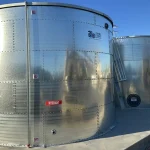
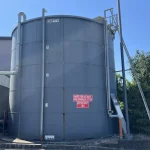
HDG tanks are made from steel panels coated with zinc through a hot-dip galvanizing process. This coating protects the steel from corrosion and extends the tank’s lifespan, making it suitable for long-term use in demanding environments.
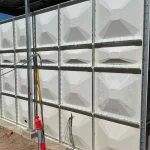
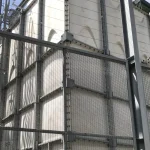
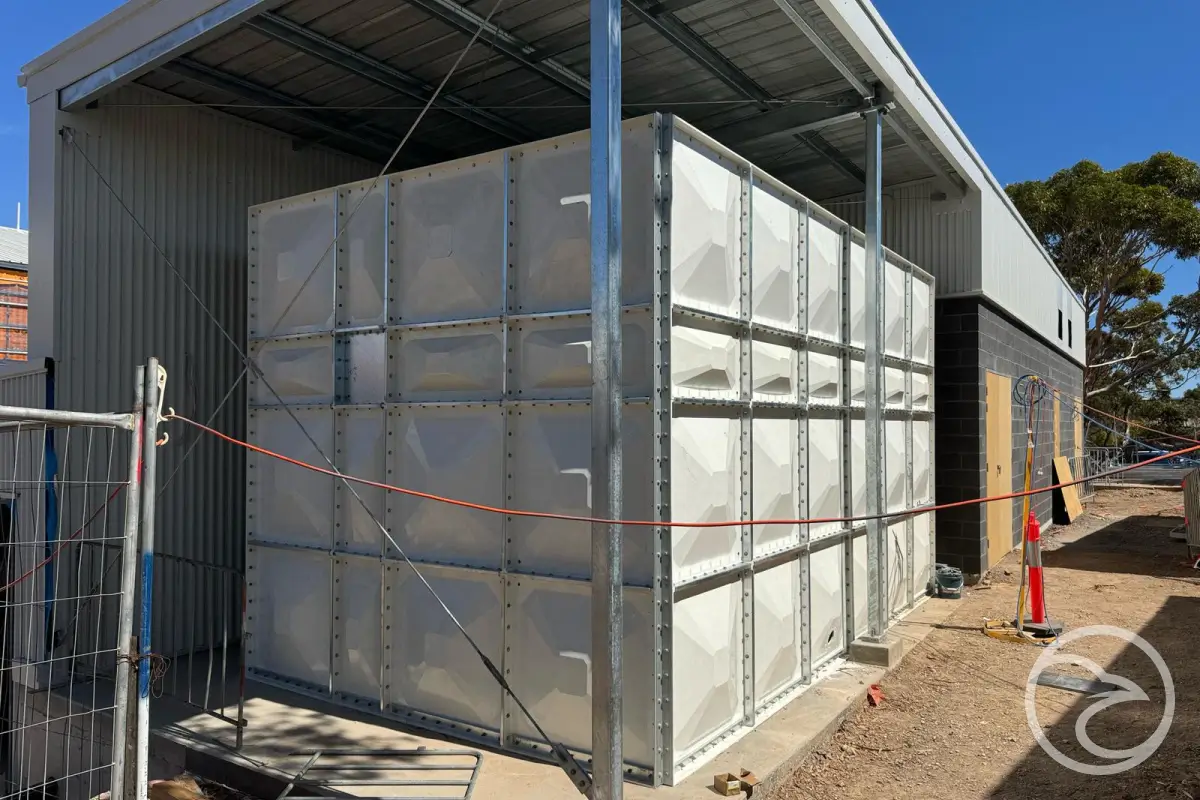
GRP tanks, on the other hand, are constructed from fiberglass-reinforced plastic. This composite material is naturally resistant to corrosion and is commonly used in environments where moisture and chemical exposure are a concern.
Both types are designed for water storage, but their performance characteristics vary depending on application and conditions.
HDG vs GRP Tanks: Key Differences
The table below highlights the main differences between HDG and GRP tanks:
| Feature | HDG Tanks | GRP Tanks |
|---|---|---|
| Material | Steel with zinc coating | Fiberglass composite |
| Corrosion resistance | High (coating dependent) | Very high |
| Structural strength | Very strong | Moderate |
| Weight | Heavy | Lightweight |
| Lifespan | 20–40 years (varies) | Long-lasting with minimal corrosion |
| Maintenance | Periodic inspection required | Generally low maintenance |
| Cost | Moderate | Often higher upfront |
These differences influence how each type performs in specific environments.
Advantages of HDG Tanks
HDG tanks are known for their strength and durability. The steel structure provides excellent load-bearing capacity, making them suitable for large-scale installations.
They are often used in applications where structural integrity is critical. Their ability to withstand physical stress and environmental exposure makes them a reliable option for long-term use.
In many projects, properly engineered HDG tank systems are selected to ensure consistent performance in demanding conditions.
Advantages of GRP Tanks
GRP tanks excel in corrosion resistance. Because they are made from non-metallic materials, they are not affected by rust in the same way as steel.
Their lightweight design makes transportation and installation easier, especially in locations with limited access or structural constraints.
In environments where corrosion resistance is a priority, modern GRP tank solutions are commonly used due to their durability and flexibility.
When to Choose HDG Tanks
HDG tanks are typically preferred in applications that require:
- high structural strength
- large storage capacity
- long-term durability in outdoor environments
They are well suited for projects where robustness and load resistance are key considerations.

When to Choose GRP Tanks
GRP tanks are often a better choice when:
- corrosion resistance is the top priority
- weight limitations affect installation
- flexible or modular configurations are required
They are commonly used in environments where exposure to moisture or chemicals is high.
Which Tank is Better for Your Application?
There is no single answer to which tank is better. The right choice depends on your specific requirements.
If your priority is structural strength and long-term durability, HDG tanks may be more suitable. If corrosion resistance and ease of installation are more important, GRP tanks could be the better option.
Understanding the conditions in which the tank will operate is essential when making a decision.
Conclusion
Choosing between HDG and GRP tanks requires a clear understanding of your project requirements, including environmental conditions, installation constraints, and long-term performance expectations.
HDG tanks are often preferred in applications where structural strength and durability are critical, particularly in large-scale or demanding environments. GRP tanks, in contrast, are better suited to situations where corrosion resistance, lightweight construction, and installation flexibility are key considerations.
Ultimately, the most effective solution depends on how these factors align with the specific conditions of your project.