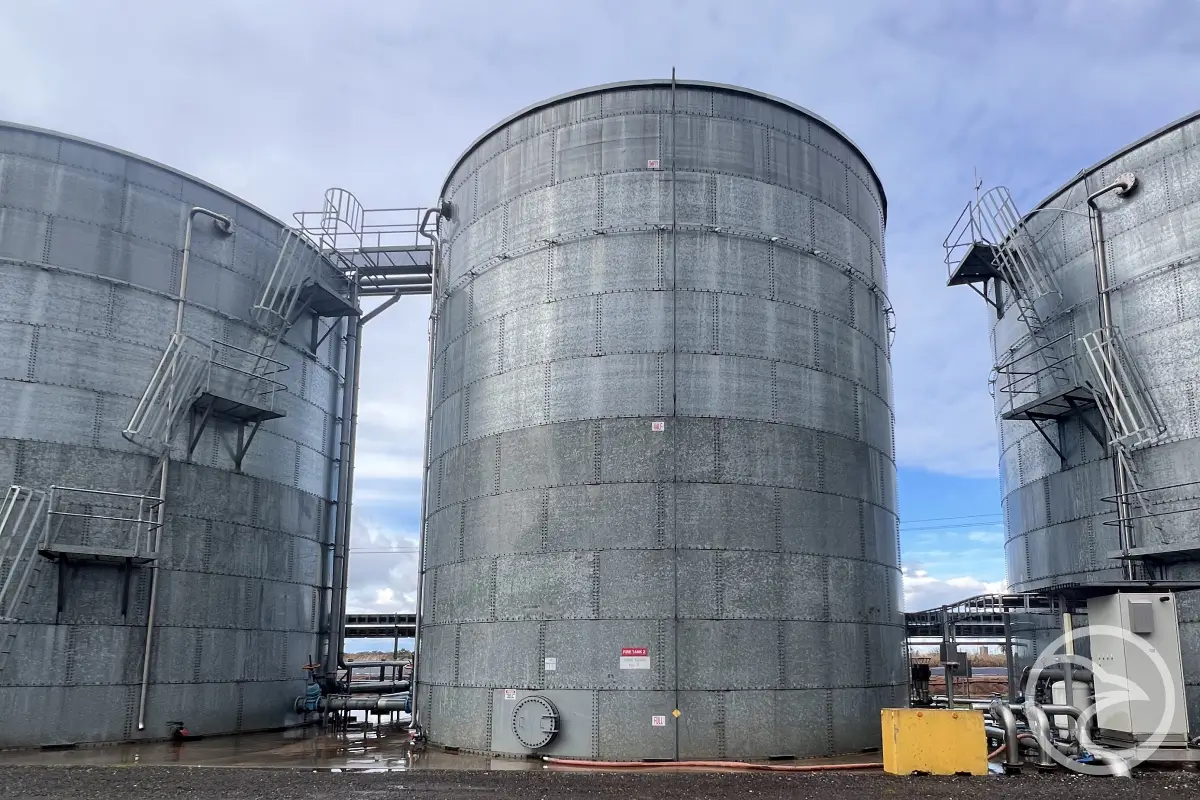
Fire protection systems rely on one critical factor above all others — a consistent and reliable water supply. In many facilities, this supply must be available instantly and remain dependable under extreme conditions. That is why storage solutions play a key role in system performance. Among different materials, galvanized steel has become a widely used option due to its durability and resistance to environmental impact.
Understanding how galvanized tanks function within fire protection systems helps explain why they are often chosen for long-term infrastructure projects.
The Role of Water Storage in Fire Protection Systems
Fire protection systems are designed to respond immediately in emergency situations. Whether it is a sprinkler network or a hydrant-based system, water must be available at the required pressure and volume at all times.
In many locations, the main water supply alone is not sufficient. This is where dedicated storage becomes essential. Water tanks act as a reserve source, ensuring that fire suppression systems can operate even if the primary supply is interrupted or demand exceeds capacity.
Reliable storage is especially important in industrial environments, large facilities, and remote areas where consistent water access cannot be guaranteed.
In many systems, dedicated storage solutions are used to ensure immediate water availability during emergencies. These systems often rely on специально designed fire protection water storage solutions to maintain consistent performance under critical conditions.
Why Galvanized Steel Is Used in Fire Protection Systems
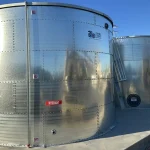
Galvanized steel is commonly used in infrastructure exposed to moisture and changing environmental conditions. Its protective zinc coating helps prevent corrosion, which is critical in systems that must remain operational for many years.
Corrosion Resistance in Critical Environments
The zinc layer applied during the galvanizing process acts as a barrier between steel and external elements. Even when exposed to humidity, temperature changes, or pollutants, the material resists degradation.
This is particularly important in fire protection systems, where failure due to corrosion could compromise safety.
Long-Term Durability and Reliability
Galvanized tanks are designed to withstand long-term use without significant structural deterioration. Their ability to maintain integrity over time makes them suitable for applications where reliability is non-negotiable.
Unlike some materials that may degrade faster under constant exposure to water, galvanized steel maintains performance over extended periods.
Cost-Effective Material for Large-Scale Systems
For large installations, material choice directly impacts overall project cost. Galvanized steel offers a balance between durability and affordability, making it a practical option for large-capacity storage systems.
How Galvanized Tanks Support Emergency Water Supply
In emergency situations, response time is critical. Water must be delivered immediately and consistently to suppression systems.
Galvanized tanks support this by providing a stable reserve that can be accessed without delay. They help maintain pressure levels and ensure that water is available in sufficient quantities during peak demand.
This reliability is essential for systems designed to operate under strict safety requirements, where interruptions are not acceptable.

Key Design Considerations for Fire Protection Systems
The effectiveness of a fire protection system depends not only on the presence of a storage tank but also on how it is designed and integrated.
Several factors influence performance:
- Capacity requirements — the tank must store enough water to meet system demand during emergencies.
- Placement and elevation — positioning affects pressure and accessibility.
- Environmental exposure — outdoor installations must withstand weather and temperature variations.
- System integration — tanks must work seamlessly with pumps, pipes, and control systems.
Careful planning ensures that the entire system functions efficiently when needed.
Common Challenges in Fire Protection Water Storage
Despite their durability, storage systems can face challenges over time.
One of the most common issues is gradual material wear due to environmental exposure. While galvanized steel resists corrosion, long-term conditions may still impact performance if not monitored.
Other challenges include:
- buildup of sediment or contaminants
- structural stress from fluctuating water levels
- external factors such as climate or industrial pollutants
Regular inspection and proper system design can help minimize these risks and extend service life.
Conclusion
Galvanized tanks play an important role in fire protection systems by providing reliable and durable water storage. Their corrosion resistance, structural strength, and long-term performance make them a practical choice for infrastructure that must operate under demanding conditions.
By understanding how these systems work and what factors influence their performance, it becomes easier to design solutions that remain dependable over time. Properly engineered galvanized storage systems can support consistent operation and help maintain safety in critical environments.
For applications that require long-term durability and consistent performance, professionally designed HDG tank solutions can provide reliable results across a wide range of conditions.