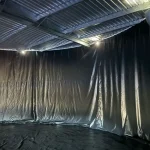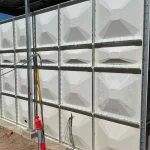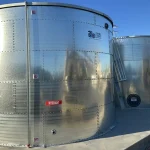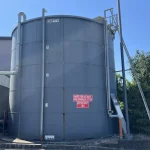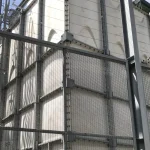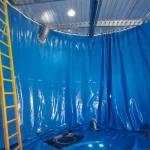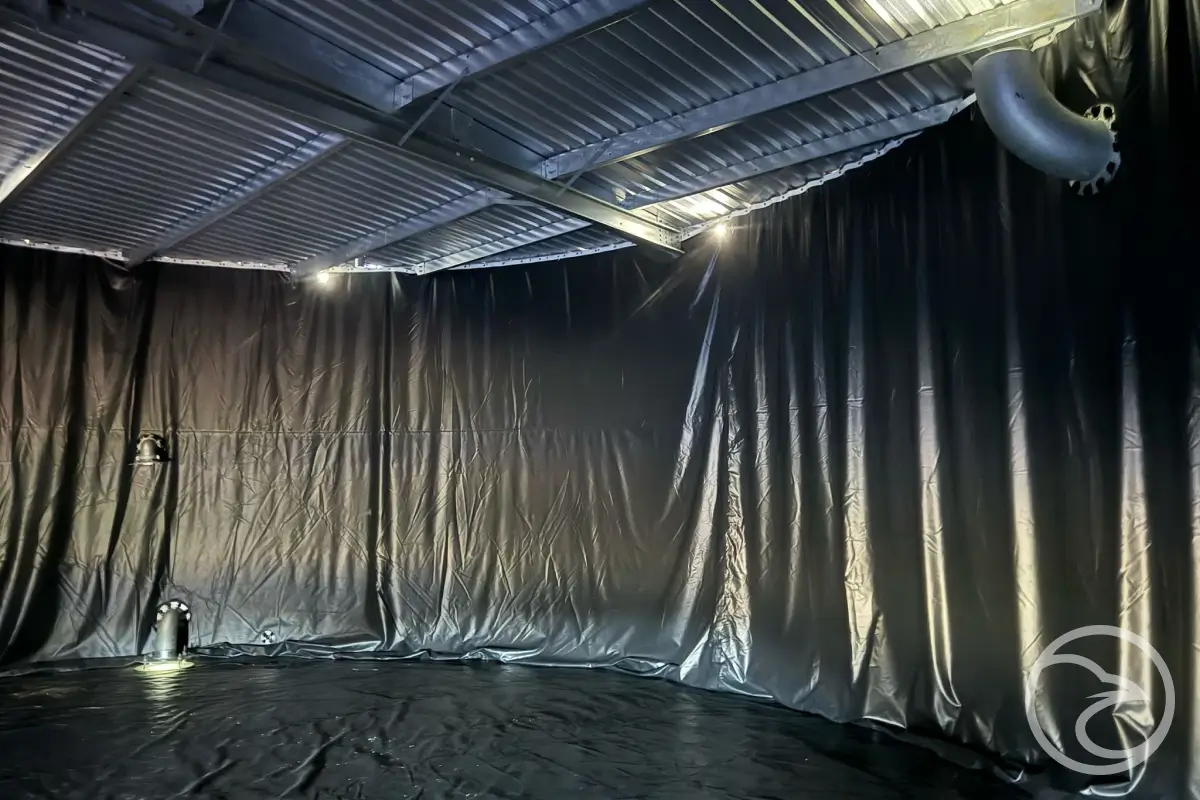
PVC tank liners have become one of the most widely used solutions for protecting water storage tanks and containment systems. They provide a reliable waterproof barrier while remaining flexible, durable, and cost-effective. From agricultural reservoirs to industrial process tanks, PVC liners help prevent leaks, extend asset life, and reduce maintenance costs.
Choosing the right tank liner involves more than selecting a material. Factors such as chemical exposure, temperature, UV conditions, tank design, and expected service life all influence performance. Understanding these considerations helps owners select a liner that matches both operational requirements and budget.
This guide explains everything you need to know about PVC tank liners. You’ll learn how they work, where they are used, their advantages and limitations, cost factors, and how they compare with other popular liner materials.
What is a PVC Tank Liner?
A PVC tank liner is a flexible waterproof membrane manufactured from polyvinyl chloride (PVC). It creates a protective barrier between stored liquids and the tank structure, preventing leaks, contamination, and material deterioration.
PVC liners can be installed inside new or existing tanks. They fit a wide variety of tank shapes and sizes, making them suitable for both standard and custom-built storage systems.
Manufacturers produce PVC tank liners in different thicknesses and grades to meet various performance requirements. Some are designed for potable water, while others are formulated to resist chemicals or harsh environmental conditions.
Most PVC liners include reinforcement layers that improve tear resistance and dimensional stability. Reinforced liners generally offer greater durability than non-reinforced alternatives, particularly in larger tanks.
A typical PVC tank liner consists of:
- Flexible PVC membrane
- Reinforcing fabric (optional)
- UV stabilisers
- Plasticisers for flexibility
- Protective surface coating
Once installed, the liner becomes the primary waterproof barrier, while the surrounding tank provides structural support.
How PVC Tank Liners Work
A PVC liner isolates stored liquid from the tank walls and base. Instead of relying on the tank itself to remain completely watertight, the membrane performs the sealing function.
The liner is custom fabricated to match the tank dimensions. Individual panels are welded together using heat, creating strong and continuous seams that resist leakage.
During installation, the liner is positioned inside the tank and secured around the perimeter. Depending on the tank design, specialised fixing systems may be used to ensure long-term stability.
PVC remains flexible throughout its service life. This flexibility allows the liner to accommodate slight movement, thermal expansion, and minor settlement without cracking.
The material also provides excellent resistance to many common environmental conditions, including:
- Water exposure
- Moisture
- Algae growth
- Mild chemicals
- UV radiation (depending on formulation)
- Weathering
Because PVC is lightweight, installation is generally faster than many rigid waterproofing systems.
Benefits of PVC Tank Liners
PVC remains one of the most popular tank lining materials because it balances performance, versatility, and affordability. For many water storage applications, it provides an excellent combination of durability and value.
Cost-Effective Waterproofing
PVC liners typically cost less than many alternative lining materials while still delivering reliable waterproof performance. Lower material costs often translate into lower project costs, especially for medium-sized storage tanks. Installation is also relatively efficient, reducing labour expenses.
For organisations managing multiple tanks, PVC can offer significant long-term savings.
Excellent Flexibility
One of PVC’s greatest strengths is its flexibility.
The material easily conforms to:
- Circular tanks
- Rectangular tanks
- Concrete structures
- Steel tanks
- Irregular tank shapes
This flexibility simplifies installation and reduces stress on the liner during normal tank movement.
Fast Installation
PVC liners are commonly prefabricated before arriving on site. This approach reduces installation time because many welds are completed in controlled factory conditions.
A faster installation offers several advantages:
- Reduced downtime
- Lower labour costs
- Less disruption to operations
- Faster project completion
Good Chemical Resistance
PVC performs well when storing many common liquids.
Depending on the specific formulation, PVC liners may be suitable for:
- Fresh water
- Irrigation water
- Fire protection water
- Stormwater
- Process water
- Some chemical solutions
Chemical compatibility should always be confirmed before selecting a liner for industrial applications.
Lightweight Material
PVC weighs considerably less than many alternative waterproofing systems.
Its low weight simplifies:
- Transportation
- Handling
- Installation
- Future replacement
Lighter materials can also reduce installation risks on difficult sites.
Easy Repairs
Minor punctures or localised damage can often be repaired without replacing the entire liner. Professional repair methods typically involve heat welding compatible PVC patches over damaged areas.
Quick repairs help minimise downtime while extending the liner’s service life.
Suitable for Many Tank Types
PVC liners work across numerous storage systems.
Common examples include:
- Concrete tanks
- Steel tanks
- Modular panel tanks
- Earth reservoirs
- Agricultural dams
- Fire water tanks
Their adaptability makes PVC one of the most versatile liner materials available.
Long Service Life
Modern PVC liners can provide many years of reliable performance when properly selected, installed, and maintained.
Actual lifespan depends on several factors, including:
- UV exposure
- Water quality
- Chemical exposure
- Mechanical damage
- Installation quality
- Maintenance practices
Routine inspections help maximise long-term performance and identify minor issues before they become major repairs.
Limitations of PVC Tank Liners
PVC tank liners offer many advantages, but they are not the ideal solution for every project. Understanding their limitations helps owners select the most appropriate liner for their operating conditions.
The suitability of a PVC liner depends on the stored liquid, environmental exposure, and expected service life.
Lower Puncture Resistance Than Some Alternatives
PVC is flexible, but it is generally less puncture resistant than reinforced polyethylene (RPE) or high-density polyethylene (HDPE). Sharp rocks, exposed bolts, or rough concrete surfaces can damage the liner if the substrate is not properly prepared.
Installing a protective underlay can significantly reduce the risk of punctures.
Temperature Limitations
Extreme temperatures may affect PVC performance. High temperatures can accelerate material ageing, while prolonged freezing conditions may reduce flexibility in some formulations.
Manufacturers specify operating temperature ranges for each liner grade. Choosing the correct product is essential for long-term performance.
Chemical Compatibility Varies
PVC resists many common liquids, but it is not compatible with every chemical. Some aggressive solvents, hydrocarbons, and concentrated acids may require alternative liner materials.
Before specifying a liner, manufacturers typically review the chemical composition of the stored liquid.
UV Exposure can Affect Lifespan
Modern PVC liners often include UV stabilisers. However, continuous exposure to strong sunlight gradually degrades every polymer.
High-quality UV-resistant formulations generally last much longer than standard PVC products. For outdoor installations, selecting a liner designed for long-term UV exposure is recommended.
Professional Installation is Recommended
Although PVC is easier to install than many rigid waterproofing systems, installation still requires specialised equipment. Proper heat welding is critical for creating watertight seams.
Incorrect welding can reduce liner performance and increase the likelihood of future leaks.
Common Applications of PVC Tank Liners
PVC tank liners are used across a wide range of industries because they combine flexibility, durability, and affordability. They can be installed in both new tanks and refurbishment projects.
Agricultural Water Storage
Agriculture is one of the largest users of PVC liners. Farmers rely on lined tanks to store water for irrigation, livestock, and general farm operations.
PVC liners help reduce water loss while protecting stored water from contamination.
Typical agricultural applications include:
- Irrigation tanks
- Farm water reservoirs
- Livestock water storage
- Rainwater collection systems
- Fertigation tanks
Fire Water Storage
Many commercial and industrial facilities maintain dedicated fire water supplies. PVC liners provide reliable waterproofing inside fire water tanks, helping ensure that stored water remains available during emergencies.
They are commonly used in:
- Steel fire tanks
- Concrete fire reservoirs
- Panel tanks
- Rural fire protection systems
Industrial Process Water
Manufacturing facilities often require secure storage for process water. PVC liners provide dependable containment while reducing the risk of leaks that could interrupt production.
Applications include:
- Cooling water
- Wash water
- Process water
- Utility water storage
Chemical compatibility should always be verified before installation.
Wastewater Containment
Some wastewater systems use PVC liners to prevent leakage into surrounding soil.
Typical applications include:
- Treatment tanks
- Equalisation tanks
- Containment ponds
- Temporary storage systems
The liner specification depends on wastewater composition.
Rainwater Harvesting
Rainwater collection systems continue to grow in popularity across residential, commercial, and agricultural sectors. PVC liners help maintain water quality while preventing leakage.
They are suitable for both above-ground and below-ground storage systems.
Aquaculture
Fish farms and aquaculture facilities require reliable water containment. PVC liners provide smooth waterproof surfaces that are easy to clean and maintain.
Common applications include:
- Fish breeding tanks
- Aquaculture ponds
- Hatcheries
- Water treatment systems
Only liners suitable for aquatic environments should be selected.
Decorative Water Features
PVC liners are widely used in landscape construction. Their flexibility allows designers to create ponds and water features with complex shapes.
Examples include:
- Decorative ponds
- Garden water features
- Artificial lakes
- Landscape reservoirs
Industries that use PVC Tank Liners
PVC liners support water storage and containment across numerous industries. Their versatility allows them to meet a wide range of operational requirements.
Industries that commonly use PVC liners include:
- Agriculture
- Manufacturing
- Mining
- Commercial property
- Municipal infrastructure
- Water utilities
- Construction
- Food processing
- Landscaping
- Aquaculture
Each industry has unique requirements for durability, chemical resistance, and regulatory compliance.
PVC Tank Liners vs Other Liner Materials
Selecting the right liner material depends on more than cost alone. Each material offers different strengths in flexibility, chemical resistance, durability, and installation.
The table below provides a general comparison of four widely used liner materials.
| Feature | PVC | HDPE | EPDM | RPE |
|---|---|---|---|---|
| Flexibility | Excellent | Low | Excellent | Moderate |
| Installation | Easy | Moderate | Easy | Moderate |
| Chemical resistance | Good | Excellent | Good | Excellent |
| UV resistance | Good* | Excellent | Excellent | Excellent |
| Puncture resistance | Moderate | High | Moderate | Very High |
| Repairs | Easy | Moderate | Easy | Moderate |
| Cost | Low to Moderate | Moderate | Moderate to High | High |
| Best for | General water storage | Chemical storage | Large flexible ponds | Heavy-duty containment |
*Depends on the PVC formulation.
PVC vs HDPE
HDPE liners offer excellent chemical resistance and high puncture strength. However, they are much stiffer than PVC.
PVC is often easier to install in tanks with complex shapes because it conforms more readily to the tank surface. HDPE is frequently selected for demanding industrial applications where chemical exposure is the primary concern.
PVC vs EPDM
EPDM is a synthetic rubber membrane known for exceptional flexibility. It performs well in outdoor environments and remains flexible across a wide temperature range.
PVC is often chosen when lower installation costs and easier fabrication are priorities. EPDM may be preferred for large ponds or applications requiring significant material movement.
For a more detailed comparison, read our guide on PVC vs EPDM tank liners to understand which material performs better for different storage applications.
PVC vs RPE
RPE is an engineered reinforced polyethylene material designed for demanding containment projects. It provides excellent puncture resistance while remaining lighter than HDPE.
PVC generally costs less and is easier to repair. RPE is commonly selected for mining, large reservoirs, and heavy-duty industrial containment where maximum durability is required.
How Much Do PVC Tank Liners Cost?
The cost of a PVC tank liner varies from one project to another. There is no standard price because every tank has different dimensions, operating conditions, and performance requirements.
Instead of focusing only on the purchase price, it is important to consider the total lifecycle cost. A well-selected liner can reduce maintenance, minimise water loss, and extend the life of the storage system.
Several factors influence the final cost.
Tank Size
Larger tanks require more liner material. As the tank dimensions increase, both material and fabrication costs rise. Larger projects may also require more complex installation.
Liner Thickness
PVC liners are manufactured in a range of thicknesses. Thicker liners generally provide greater durability and improved puncture resistance. However, they also increase material costs.
The appropriate thickness depends on:
- Tank design
- Stored liquid
- Expected wear
- Environmental conditions
- Required service life
Liner Grade
Not all PVC liners are the same.
Specialised grades may be designed for:
- Potable water
- Chemical storage
- UV exposure
- Food processing
- Aquaculture
Premium materials usually cost more but deliver better performance in demanding environments.
Custom Fabrication
Many liners are custom manufactured to match specific tank dimensions. Complex tank shapes, pipe penetrations, overflow systems, and fittings require additional fabrication work.
Customisation improves installation efficiency and reduces the need for field welding.
Installation Requirements
Installation costs vary depending on site conditions.
Factors include:
- Tank accessibility
- Surface preparation
- Safety requirements
- Site location
- Project complexity
Professional installation helps ensure reliable long-term performance.
Additional Components
Some projects require extra materials to protect or secure the liner.
These may include:
- Protective underlay
- Geotextile fabric
- Anchor systems
- Pipe boots
- Repair kits
Including these components in the initial project often improves the liner’s service life.
How to Choose the Right PVC Tank Liner
Selecting the right liner involves more than choosing a thickness or price. A comprehensive assessment helps ensure the liner meets both operational and environmental requirements.
Identify the Stored Liquid
The first step is understanding what the tank will contain.
Common examples include:
- Drinking water
- Irrigation water
- Fire protection water
- Stormwater
- Wastewater
- Process water
- Chemical solutions
Each liquid has different compatibility requirements.
Consider Environmental Conditions
Outdoor tanks experience changing weather throughout the year.
Important considerations include:
- UV exposure
- Rainfall
- Wind
- Temperature fluctuations
- Snow or ice loads
These conditions influence material selection and expected lifespan.
Evaluate Tank Construction
PVC liners are compatible with many tank types.
These include:
- Concrete tanks
- Steel tanks
- Modular panel tanks
- Earthen reservoirs
The tank structure determines how the liner is fabricated and installed.
Define the Expected Service Life
Some projects require only temporary storage. Others are designed to operate for decades.
Longer design lives may justify investing in premium liner materials or thicker membranes.
Review Regulatory Requirements
Certain applications require certified liner materials.
Examples include:
- Potable water storage
- Food production
- Environmental containment
- Municipal infrastructure
Always verify that the selected liner meets applicable regulations and industry standards.
Balance Performance and Budget
The least expensive liner is not always the most economical choice. A higher-quality liner may reduce repairs, extend service life, and lower maintenance costs over time.
Selecting the right balance between cost and performance usually delivers the best long-term value.
PVC Tank Liner Installation Overview
Professional installation is essential for achieving reliable waterproof performance.
Although installation methods vary between projects, most follow a similar process.
1. Tank Inspection
The tank is inspected before installation begins. Any sharp edges, damaged surfaces, or structural issues are addressed to prevent liner damage.
2. Surface Preparation
The installation surface must be clean and smooth. Loose debris, protrusions, and contaminants are removed.
Where necessary, a protective underlay is installed.
3. Liner Placement
The prefabricated liner is carefully positioned inside the tank. Installers ensure the material sits evenly without excessive wrinkles or stress.
4. Welding and Sealing
Field seams are completed using specialised heat-welding equipment. Pipe penetrations, outlets, and fittings are sealed to maintain a watertight system.
5. Inspection and Testing
Before commissioning, the installation is inspected for defects. Seams and fittings may be tested to confirm watertight performance.
6. Commissioning
Once testing is complete, the tank can be filled and placed into service. Routine inspections during the early operating period help verify proper performance.
Maintenance and Inspection
PVC tank liners require relatively little maintenance. However, regular inspections help identify small issues before they become costly repairs.
A proactive maintenance program can significantly extend the liner’s service life.
Recommended maintenance includes:
- Visual inspections
- Removing debris
- Checking seams
- Inspecting fittings
- Monitoring water quality
- Repairing minor damage promptly
Many facilities perform inspections annually or as part of broader asset maintenance programs.
How Long do PVC Tank Liners Last?
The lifespan of a PVC tank liner depends on several operating conditions.
Key factors include:
- Material quality
- Installation quality
- UV exposure
- Stored liquid
- Maintenance practices
- Mechanical wear
Under suitable conditions and with proper maintenance, high-quality PVC liners can provide reliable performance for many years. Routine inspections and timely repairs help maximise service life and reduce the likelihood of unexpected failures.
Conclusion
PVC tank liners remain one of the most practical and cost-effective solutions for water storage and liquid containment. Their flexibility, ease of installation, and reliable waterproof performance make them suitable for a wide range of residential, agricultural, commercial, and industrial applications.
Like any lining material, PVC has both strengths and limitations. Understanding factors such as chemical compatibility, UV exposure, installation quality, and maintenance requirements is essential for achieving long-term performance.
When properly selected and professionally installed, a PVC tank liner can help protect valuable infrastructure, minimise water loss, and reduce maintenance costs for many years. Evaluating the specific needs of each project ensures the liner delivers the durability, efficiency, and value expected over its service life.