Access to clean, safe drinking water is essential for homes, businesses, and public facilities. As a result, choosing the right storage solution is an important part of maintaining water quality.
GRP water tanks are widely used across commercial, industrial, and residential applications. However, many facility owners ask the same question: are GRP water tanks suitable for potable water storage?
The short answer is yes. When manufactured using approved materials and installed correctly, GRP tanks can provide a safe, durable, and reliable solution for storing drinking water.
What is Potable Water Storage?
Potable water is water that is safe for human consumption. This includes water used for drinking, food preparation, cooking, and hygiene purposes.
Unlike non-potable water systems, potable water storage requires materials that will not negatively affect water quality. Tanks must be designed to prevent contamination and maintain the safety of stored water over time.
This makes material selection one of the most important considerations when choosing a water storage tank.
Why GRP is Commonly Used for Potable Water Storage
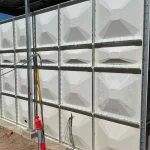
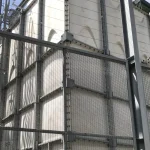
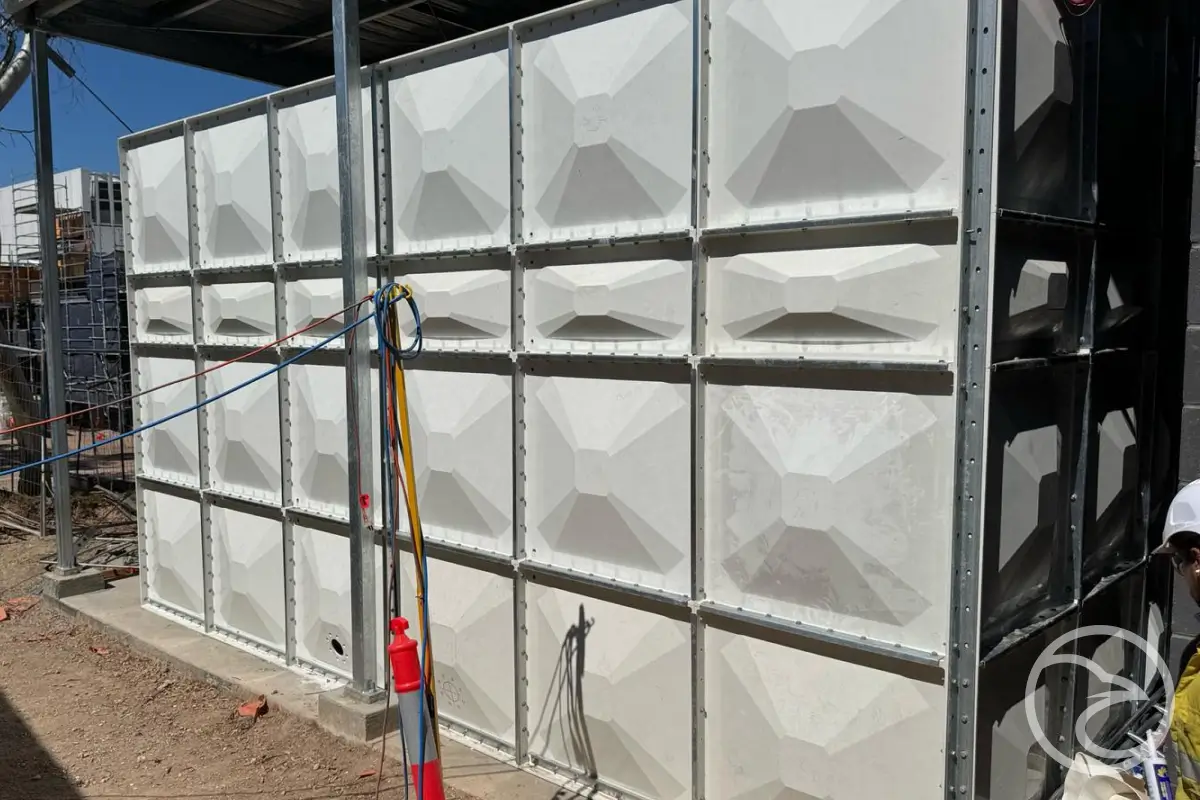
Glass Reinforced Plastic (GRP) combines resin materials with glass fibre reinforcement to create a strong and durable structure. GRP tanks have become a popular choice for potable water storage because they offer several practical advantages.
These include:
- Excellent corrosion resistance
- Long service life
- Low maintenance requirements
- Lightweight construction
- Flexible modular designs
- Resistance to environmental conditions
Unlike steel tanks, GRP tanks do not rust. This helps reduce the risk of corrosion-related water contamination and can simplify long-term maintenance.
Their smooth internal surfaces can also help minimise sediment accumulation and support easier cleaning procedures.
Are GRP Water Tanks Safe for Drinking Water?
GRP tanks can be safe for drinking water storage when they are manufactured using materials specifically approved for potable water applications. Not all GRP tanks are designed for drinking water. Manufacturers may use different resins, coatings, and components depending on the intended application.
For potable water storage, materials should be selected to ensure they do not adversely affect:
- Water taste
- Water odour
- Water appearance
- Chemical composition
- Public health
When appropriate materials are used, GRP tanks can safely store drinking water for a wide range of commercial and municipal applications. Regular inspections and maintenance also play an important role in preserving water quality throughout the life of the tank.
Understanding AS/NZS 4020 Requirements
One of the most important standards associated with potable water storage in Australia and New Zealand is AS/NZS 4020. This standard assesses products that come into contact with drinking water to determine whether they affect water quality.
AS/NZS 4020 focuses on areas such as:
- Taste and odour effects
- Appearance of water
- Growth of microorganisms
- Extraction of substances from materials
- Potential impacts on water quality
Products tested to AS/NZS 4020 requirements provide greater confidence that materials are suitable for contact with drinking water. When evaluating potable water storage solutions, it is beneficial to confirm whether the tank materials or components comply with AS/NZS 4020 requirements.
Water Quality Considerations for Potable Water Tanks
Selecting a suitable tank is only one part of maintaining potable water quality. Ongoing management practices are equally important.
Several factors can influence water quality during storage, including:
- Sediment accumulation
- Organic debris
- Poorly sealed access points
- Infrequent cleaning
- Stagnant water conditions
Routine inspections can help identify issues before they affect water quality. Tank owners should also ensure that access hatches, vents, and covers remain secure to minimise contamination risks.
Maintaining good water circulation and implementing scheduled cleaning programs can further support water quality objectives.
Maintenance Requirements for Potable Water Storage Tanks
Although GRP tanks generally require less maintenance than some alternative materials, regular inspections remain important.
A preventative maintenance program may include:
- External visual inspections
- Internal condition assessments
- Water quality monitoring
- Inspection of fittings and pipework
- Cleaning when required
- Record keeping
Regular maintenance helps identify developing issues before they become significant problems. It can also support compliance with site-specific operational and water quality requirements.
Proper maintenance contributes to both system reliability and the long-term protection of stored drinking water.
Choosing the Right GRP Tank for Potable Water Storage
Not all potable water storage applications have the same requirements.
Before selecting a tank, consider:
- Required storage capacity
- Water demand patterns
- Installation location
- Available space
- Future expansion requirements
- Material compliance requirements
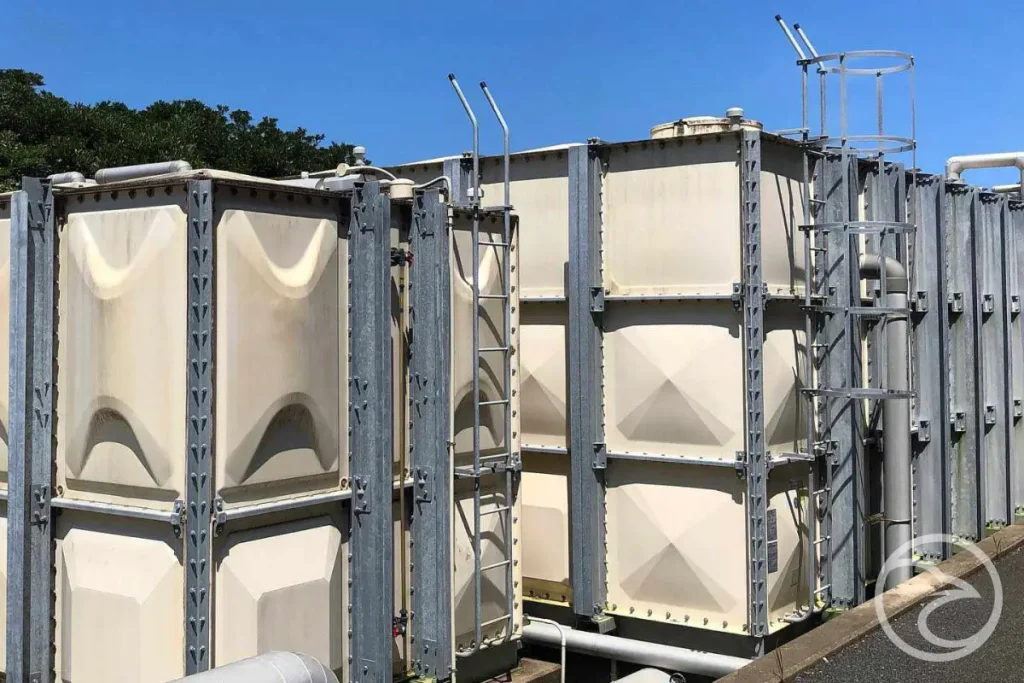
Choosing a tank designed specifically for potable water applications is essential. When evaluating options, many organisations choose GRP water tanks because they offer a combination of durability, corrosion resistance, and design flexibility that suits a wide range of drinking water storage projects.
Working with experienced suppliers can also help ensure the selected tank meets operational and regulatory requirements.
Conclusion
GRP water tanks are widely recognised as a reliable solution for potable water storage. When manufactured using approved materials and properly maintained, they can provide safe and long-lasting drinking water storage for many different applications.
Their corrosion resistance, low maintenance requirements, and flexible design options make them a popular choice across commercial, residential, and industrial sectors.
For potable water applications, it is important to verify material suitability and consider standards such as AS/NZS 4020. Combined with regular maintenance and good water management practices, a properly specified GRP tank can help support water quality and long-term storage performance.