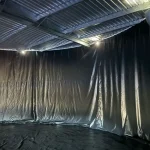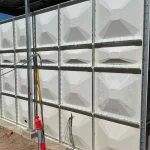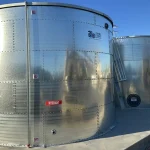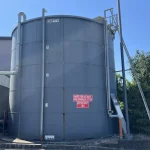
Choosing the right tank liner is critical for long-term performance and cost efficiency. Both PVC and EPDM liners are widely used across water storage and fire protection systems.
This guide compares materials, durability, cost, and applications to help you make an informed decision.
What are PVC Tank Liners?
PVC tank liners are made from flexible polyvinyl chloride material. They are designed to create a waterproof barrier inside tanks.
These liners are commonly used in water storage, agriculture, and fire protection systems. They are known for affordability and ease of installation.
What are EPDM Tank Liners?
EPDM liners are made from synthetic rubber with high elasticity. They perform well in extreme temperatures and demanding environments.
EPDM is often used in large reservoirs, ponds, and industrial tanks. It is valued for durability and long service life.
Material Flexibility and Performance
PVC liners are flexible but less elastic than rubber-based materials. They perform well under standard conditions and moderate temperature changes.
EPDM liners offer superior elasticity and can stretch without damage. This makes them ideal for tanks with movement or structural stress.
Durability and Lifespan
PVC liners typically last between 10 and 15 years. Their lifespan depends on UV exposure and maintenance quality.
EPDM liners can last over 20 years in optimal conditions. They resist cracking, weathering, and environmental stress more effectively.
Installation Process
PVC lining are lightweight and easy to handle during installation. They can be prefabricated and installed quickly on-site.
EPDM liners are heavier and require more careful handling. Installation may take longer and involve specialized expertise.
Improper installation can lead to early damage or leaks. You can explore signs of tank liner failure to identify early issues.

Cost Comparison
PVC liners are generally more affordable than EPDM options. They are a cost-effective solution for standard tank applications.
EPDM liners have a higher upfront cost. However, their long lifespan can reduce replacement expenses over time.
Resistance to UV and Chemicals
PVC liners offer good resistance to UV exposure and mild chemicals. However, prolonged exposure may reduce flexibility over time.
EPDM liners provide excellent resistance to UV radiation and harsh chemicals. They are better suited for demanding industrial environments.
Suitability for Potable Water
PVC liner can be used for potable water if properly certified. They must meet safety standards for drinking water applications.
EPDM liners are also available in potable-grade versions. Always confirm certification before installation.
To understand safety requirements in more detail, read is tank liner safe for potable water.
Maintenance Requirements
PVC liner require regular inspections to detect wear or damage. Proper cleaning helps maintain performance and extend lifespan.
EPDM liners need less frequent maintenance due to higher durability. However, inspections are still recommended for long-term reliability.
Common Applications
PVC liners are ideal for:
- Fire water tanks
- Agricultural storage
- Temporary or budget-sensitive projects
EPDM liners are preferred for:
- Large-scale water storage
- Industrial tanks
- Harsh environmental conditions
Which One Should You Choose?
Choose PVC liner if you need an affordable and practical solution. They are suitable for standard conditions and shorter-term use.
Choose EPDM liners if durability and flexibility are priorities. They perform better in extreme conditions and long-term applications.
Final Thoughts
Both PVC and EPDM liners offer reliable waterproofing solutions. The right choice depends on budget, environment, and performance requirements.
For many applications, PVC liners provide excellent value and efficiency. For demanding conditions, EPDM offers superior longevity and resilience.