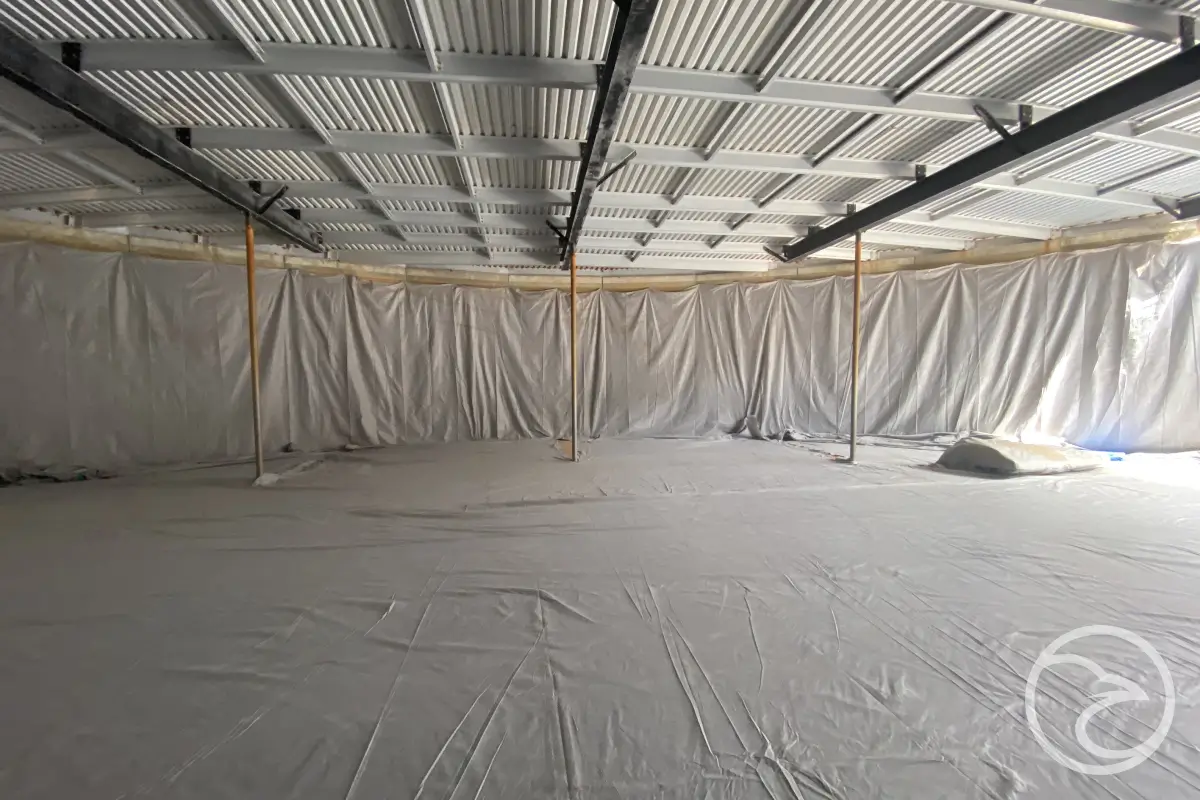
Modern water storage systems require solutions that are not only durable but also adaptable to different tank structures and environmental conditions. One such solution is the flexible membrane liner.
One of the most widely used solutions in modern water storage is tank liners, which provide a reliable barrier between stored liquid and the tank structure.
So, what is a flexible membrane liner? In simple terms, it is a protective internal layer designed to hold liquid and isolate it from the tank structure. However, its role goes far beyond basic containment.
What is a Flexible Membrane Liner?
A flexible membrane liner is a thin, durable, and impermeable material installed inside a tank to store liquids safely.
It acts as a barrier between the stored liquid and the tank walls, preventing leaks, contamination, and structural damage. Unlike rigid coatings or traditional linings, flexible liners can adapt to different shapes, sizes, and movements of the tank structure.
Materials such as PVC tank liners are commonly used in flexible membrane systems due to their durability, flexibility, and resistance to environmental stress.
How Flexible Membrane Liners Work
Flexible membrane liners create a sealed internal layer that holds the liquid independently from the tank body.
Their core functions include:
- isolating water from tank materials
- preventing leakage
- protecting against corrosion
- maintaining water quality
By separating the liquid from the tank surface, these liners reduce wear and extend the overall lifespan of the system.
Why Flexibility Matters in Large Water Tanks
Large tanks are exposed to constant stress from:
- temperature changes
- water pressure
- structural movement
Flexible liners are designed to adapt to these conditions. Materials like PVC and HDPE can expand and contract without cracking, maintaining a watertight seal even under stress.
This makes them particularly suitable for large-scale water storage systems.

Key Benefits of Flexible Membrane Liners
Flexible membrane liners offer several practical advantages:
- Leak Prevention: They form a continuous, impermeable layer that prevents water from escaping, even in older or damaged tanks.
- Corrosion Protection: By isolating water from metal or concrete surfaces, liners reduce corrosion and structural degradation.
- Improved Water Quality: They help prevent contamination by blocking contact with tank materials and external elements.
- Extended Tank Lifespan: Installing a liner can significantly extend the usable life of a tank by reducing internal damage.
- Cost Efficiency: Using a liner is often more cost-effective than replacing an entire tank.
Flexible vs Rigid Tank Liners
Compared to rigid linings, flexible membrane liners offer several advantages.
Flexible liners:
- adapt to tank movement
- are easier to install
- reduce stress points
Rigid linings:
- may crack under pressure
- are less adaptable to structural changes
This flexibility is a key reason why membrane liners are widely used in modern water storage systems.
When Should You Consider a Flexible Membrane Liner?
A flexible liner is a good solution if:
- the tank is aging or showing wear
- leaks or corrosion are present
- replacement is too costly
- the tank has an irregular shape
In many cases, installing a liner can restore functionality without major structural changes.
Conclusion
So, what is a flexible membrane liner? It is a versatile and effective solution for protecting water storage systems, preventing leaks, and extending tank life.
Thanks to their flexibility, durability, and cost efficiency, these liners have become a standard solution for modern water storage applications.