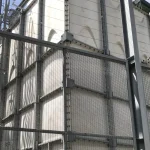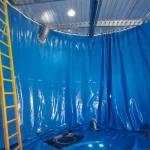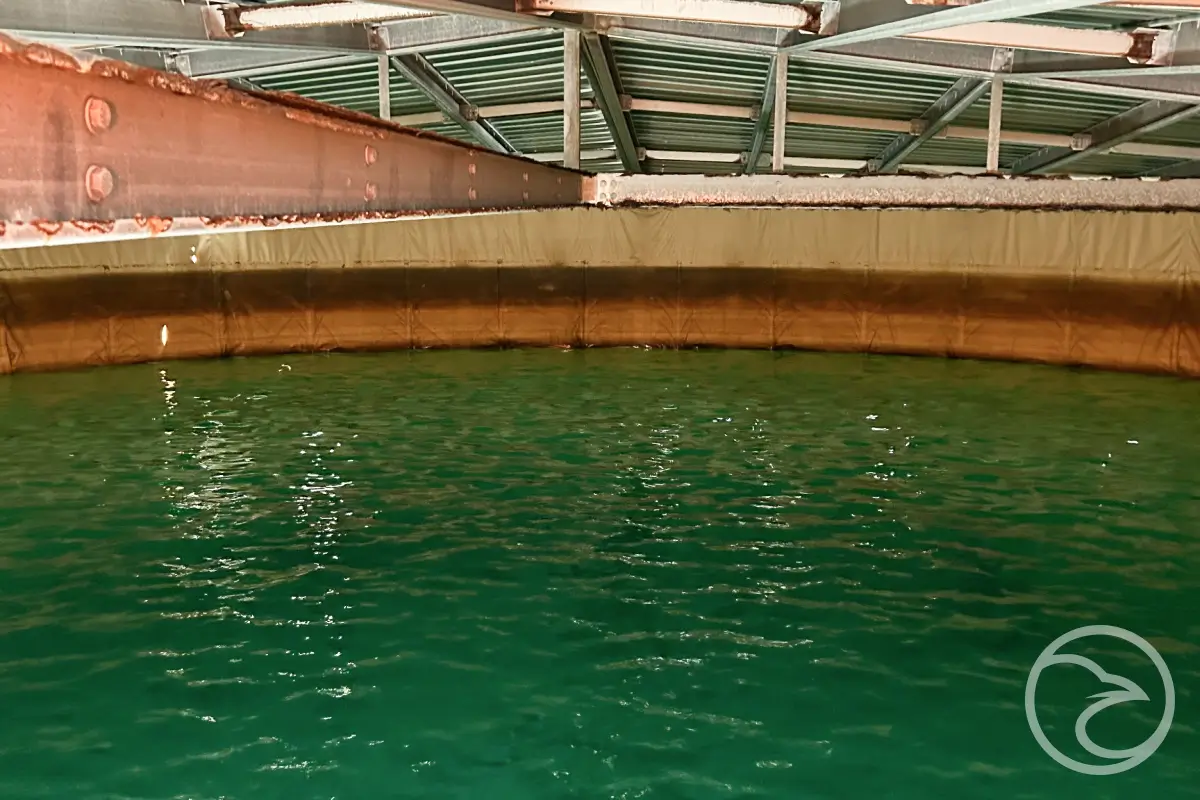
Stagnant water can cause significant and often unexpected damage inside storage tanks used across industrial, commercial, and municipal facilities. When water does not circulate properly, chemical, biological, and structural changes begin to occur. Over time, these changes compromise water quality, accelerate material deterioration, and reduce the overall performance of the system. Understanding how stagnation affects internal tank components is essential for maintaining reliable and long-lasting water storage infrastructure.
This article explains how stagnation internal tank surfaces problems develop, why they occur, and how facilities can reduce the risks associated with still or slow-moving water.
What is Water Stagnation Inside a Storage Tank?
Stagnation happens when water remains unmoved for long periods. While tanks are designed to store water, they depend on consistent turnover to maintain healthy internal conditions. When flow stops, oxygen levels decline, temperatures fluctuate, and bacteria or sediments settle along the surfaces.
Any tank can experience stagnation, including steel, concrete, GRP, and panel-built systems. The longer the idle period, the greater the chance of internal deterioration.
How Stagnation Affects Internal Tank Surfaces
Stagnation triggers several forms of damage that directly affect interior walls, floors, seams, and coatings.
1. Increased Corrosion Activity
Low-oxygen water creates anaerobic conditions inside the tank. This environment accelerates corrosion, especially on steel surfaces or areas where protective coatings have worn down. Corrosion becomes more aggressive when sediments collect at the bottom of the tank.
2. Bacterial Growth and Biofilm Formation
Stagnant water supports microbial activity, encouraging the formation of biofilms. These thin layers of organic matter stick to internal surfaces and can damage linings, clog outlets, and reduce water quality. Biofilm also creates an environment where corrosion-causing bacteria thrive.
3. Sediment Accumulation
Particles naturally settle when water does not move. Sediment buildup traps moisture and chemicals against internal tank surfaces, promoting pitting corrosion and undermining lining integrity. Over time, these deposits can harden, making cleaning more difficult and costly.
Regular surface care and internal hygiene checks are often supported through specialised maintenance processes designed to prevent long-term deterioration.
4. Coating and Liner Deterioration
Protective linings rely on stable conditions. Stagnation increases temperature swings and chemical imbalance inside the tank, leading to blistering, cracking, softening, or peeling of coatings. This exposes the underlying material to further damage.
5. Water Quality Degradation
Stagnation reduces dissolved oxygen and encourages chemical reactions that discolor water, affect smell or taste, and introduce harmful contaminants. Poor water quality can cause scaling, internal staining, or premature liner breakdown.
Common Warning Signs of Stagnation Issues
Facilities should monitor for early indicators of stagnation inside tanks, such as:
- unexplained changes in water clarity
- unusual odors or discoloration
- increased sediment at the bottom
- visible biofilm patches on internal surfaces
- coating blisters or soft spots
- inconsistent temperature distribution
- areas of corrosion developing faster than expected
Identifying these warning signs early reduces the risk of long-term structural damage.
Why Stagnation Occurs in Water Storage Systems
Several operational and environmental factors contribute to stagnation:
- oversized tanks with low turnover rates
- seasonal or fluctuating water usage
- design limitations that restrict internal flow
- underperforming pumps or distribution pipelines
- long storage cycles without mixing
- insufficient monitoring equipment
Even small variations in flow patterns can lead to stagnant pockets, particularly in complex tank geometries.

How to Mitigate Stagnation Inside Water Tanks
Although stagnation cannot always be eliminated, its impact can be significantly reduced with the right operational and design practices.
- 1. Increase Water Turnover: Rotating storage cycles or adjusting operational flow ensures fresher water remains inside the tank.
- 2. Improve Internal Circulation: Adding mixers, recirculation systems, or redesigning inlet/outlet placement helps promote consistent movement.
- 3. Remove Sediment Regularly: Routine cleaning prevents sediment layers from hardening and reduces their contact with internal surfaces.
- 4. Inspect Linings and Coatings: Regular checks help confirm the protective layer remains intact and able to resist corrosion or microbial attack.
- 5. Monitor Conditions Continuously: Sensors that track temperature, chlorine levels, flow rate, or water age can identify early stagnation before damage occurs.
- 6. Adjust Tank Sizing or Operation: Downsizing, dividing storage chambers, or modifying usage patterns may help reduce idle zones in oversized tanks.
Conclusion
Stagnation is one of the most common yet underestimated threats to internal tank surfaces. It encourages corrosion, biofilm growth, sediment accumulation, and coating deterioration. Over time, these problems compromise both structural stability and water quality. By understanding how stagnation forms and adopting preventive practices, facility operators can protect internal tank components and extend the lifespan of their storage systems.