Inspecting submerged infrastructure has traditionally required draining tanks, deploying divers, or entering confined spaces. These approaches increase cost, downtime, and safety risk. Today, advanced robotic systems provide a safer and more efficient alternative. The advantages of underwater robotic inspections are transforming how facilities assess submerged structures and storage systems.
Understanding these benefits helps asset owners make informed decisions about inspection strategies.
1. Enhanced Safety Without Confined Space Entry
One of the most significant advantages of underwater robotic inspections is improved worker safety. Confined spaces and submerged environments present serious hazards, including:
- Limited visibility
- Oxygen-deficient conditions
- Entrapment risks
- Contaminated water exposure
Robotic systems eliminate the need for personnel to enter hazardous environments. Operators remain outside the tank or structure while controlling the equipment remotely, significantly reducing safety liability.
2. Inspection Without Draining the Tank
Draining a large storage tank can be time-consuming and costly. It may also interrupt critical operations, especially in fire protection or municipal water systems.
Underwater robotic inspection systems allow facilities to:
- Maintain water levels during inspection
- Avoid operational shutdowns
- Reduce refill and disposal costs
- Preserve water treatment stability
This capability is particularly valuable in emergency storage infrastructure where downtime is not an option.
3. High-Resolution Data Collection
Modern underwater robotic platforms are equipped with advanced technology, including:
- High-definition cameras
- LED lighting systems
- Sonar imaging for low-visibility conditions
- Real-time video transmission
- Recording and documentation tools
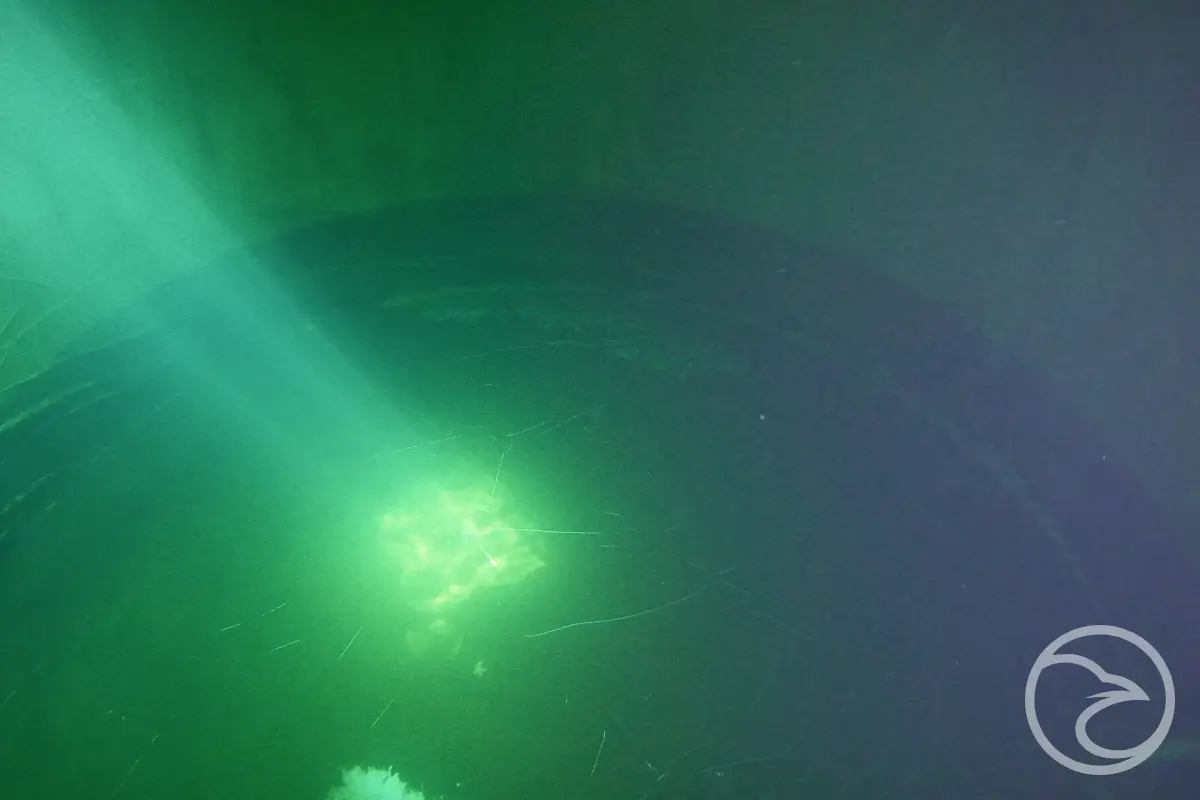
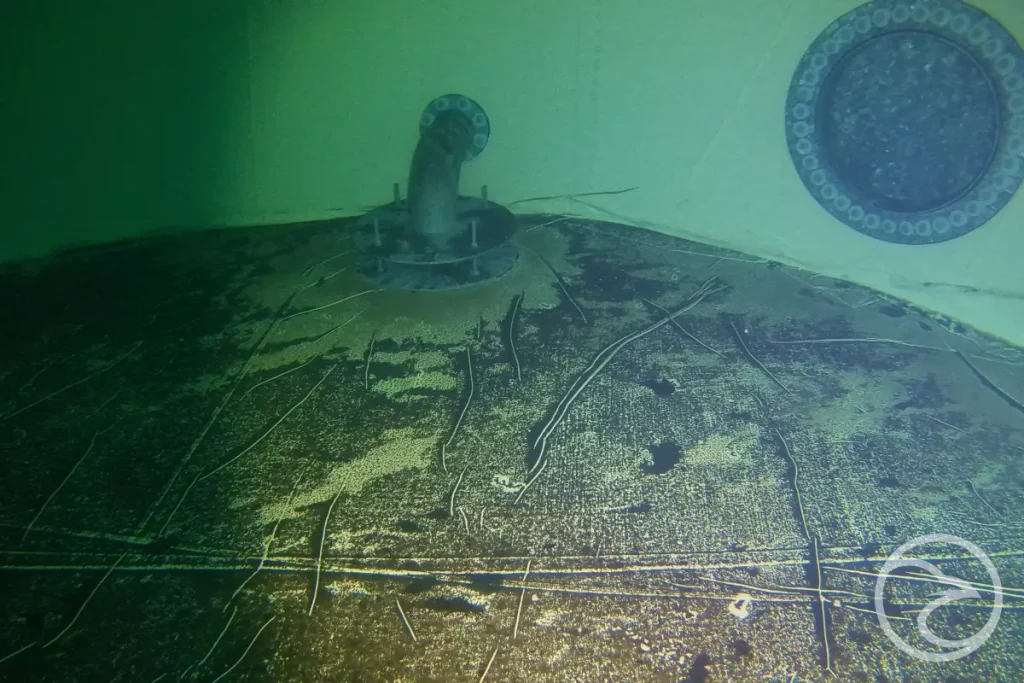
These features enable detailed structural assessments of walls, floors, weld seams, and sediment accumulation.
In many industrial applications, underwater drone inspections are used to provide comprehensive visual and sonar-based condition analysis.
4. Improved Inspection Frequency
Because robotic inspections require less preparation and disruption, facilities can conduct assessments more frequently. Increased inspection frequency leads to:
- Earlier detection of corrosion
- Timely identification of structural damage
- Better maintenance planning
- Reduced likelihood of emergency repairs
Routine monitoring improves overall asset lifecycle management.
5. Cost Efficiency Over Time
Although robotic inspection equipment involves specialized technology, it often reduces overall inspection costs compared to traditional methods.
Cost advantages include:
- Eliminating the need for diver deployment
- Avoiding full tank drainage
- Reducing labor requirements
- Minimizing downtime-related losses
Over multiple inspection cycles, these savings can be substantial.
6. Access to Difficult or Hazardous Areas
Submerged structures often contain areas that are difficult or unsafe for divers to access. Robotic systems can maneuver through narrow openings, around internal supports, and across tank floors with minimal disruption.
This flexibility allows inspection of:
- Roof undersides
- Floor plates
- Internal structural bracing
- Sediment-covered surfaces
Remote maneuverability enhances the thoroughness of assessments.
7. Accurate Documentation and Reporting
Underwater robotic inspections provide digital documentation, including video recordings and still images. This data supports:
- Condition tracking over time
- Compliance documentation
- Maintenance scheduling
- Insurance and regulatory reporting
Detailed records allow facilities to compare inspection results across multiple years and identify deterioration trends.
8. Reduced Environmental Risk
Draining tanks or deploying divers can introduce contamination risks. Robotic inspections reduce physical interference with stored water, minimizing the chance of introducing foreign materials or disturbing settled sediment.
For potable water systems, maintaining water quality during inspection is particularly important.
For a more detailed overview of our remote inspection capabilities, you can explore our dedicated service page.
9. Support for Preventive Maintenance Strategies
The advantages of underwater robotic inspections extend beyond simple condition checks. By identifying early-stage corrosion, coating failure, or structural deformation, facilities can plan preventive maintenance rather than reactive repair.
This proactive approach strengthens long-term infrastructure reliability.
Final Thoughts
The advantages of underwater robotic inspections include improved safety, reduced downtime, enhanced data collection, and long-term cost efficiency. By eliminating confined space entry and minimizing operational disruption, robotic systems provide a modern solution for inspecting submerged infrastructure.
As technology continues to advance, underwater inspection robotics are becoming an essential component of proactive asset management in industrial and water storage environments.