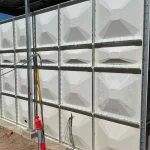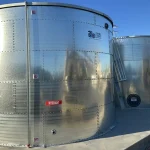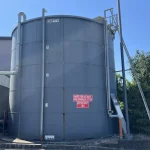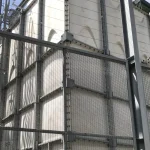
Industrial steel tanks are widely used for water storage, process liquids, fire protection, and infrastructure systems. Over time, exposure to moisture, chemicals, and environmental conditions can lead to corrosion, coating deterioration, and structural wear. Instead of full replacement, many facilities implement effective steel tank restoration techniques to extend service life and restore operational reliability.
Restoration offers a cost-efficient and sustainable approach to maintaining critical storage infrastructure.
Why Steel Tank Restoration is Important
Steel tanks are exposed to internal and external stress factors that gradually affect performance. Corrosion, sediment buildup, coating failure, and roof deterioration are common issues in aging tanks.
Implementing structured steel tank restoration techniques helps:
- Extend infrastructure lifespan
- Improve structural integrity
- Prevent leaks and contamination
- Reduce downtime and replacement costs
- Maintain regulatory compliance
Timely restoration prevents minor damage from becoming major structural failures.
Key Steel Tank Restoration Techniques
Successful restoration depends on a combination of inspection, repair, and protective upgrades.
1. Surface Preparation and Cleaning
Restoration begins with thorough cleaning to remove rust, scale, sediment, and debris. Surface preparation ensures that protective coatings or liners adhere properly.
Common methods include:
- Abrasive blasting
- High-pressure water cleaning
- Mechanical surface treatment
Proper preparation directly impacts the success of subsequent restoration steps.
2. Corrosion Treatment and Structural Repair
After cleaning, areas affected by corrosion are assessed and repaired. This may involve:
- Patching corroded steel sections
- Welding reinforcement plates
- Replacing damaged components
- Sealing compromised joints
Addressing corrosion early is a critical part of effective steel tank restoration techniques.
3. Protective Coating Application
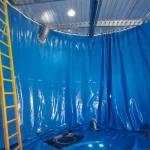
Applying new protective coatings improves corrosion resistance and enhances durability. Modern coating systems create a barrier between stored materials and tank surfaces.
Benefits of protective coatings include:
- Increased resistance to moisture and chemicals
- Extended service life
- Reduced maintenance frequency
- Improved safety compliance
Coating selection depends on tank usage and environmental exposure.
4. Roof and Structural Component Upgrades
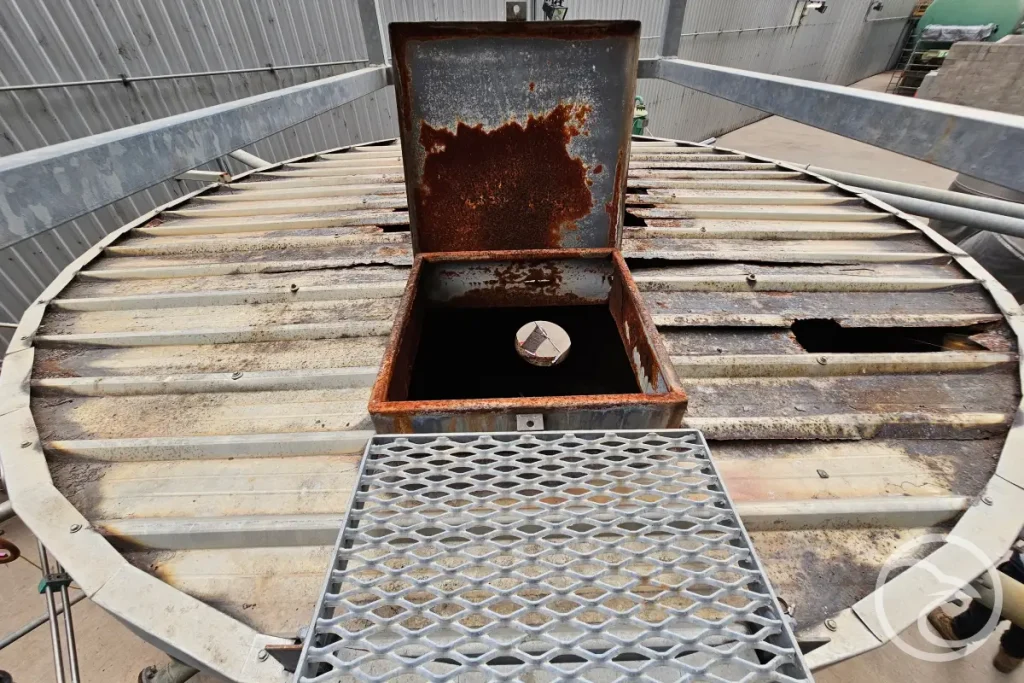
Tank roofs, access points, and structural supports may also require refurbishment. Upgrades can include:
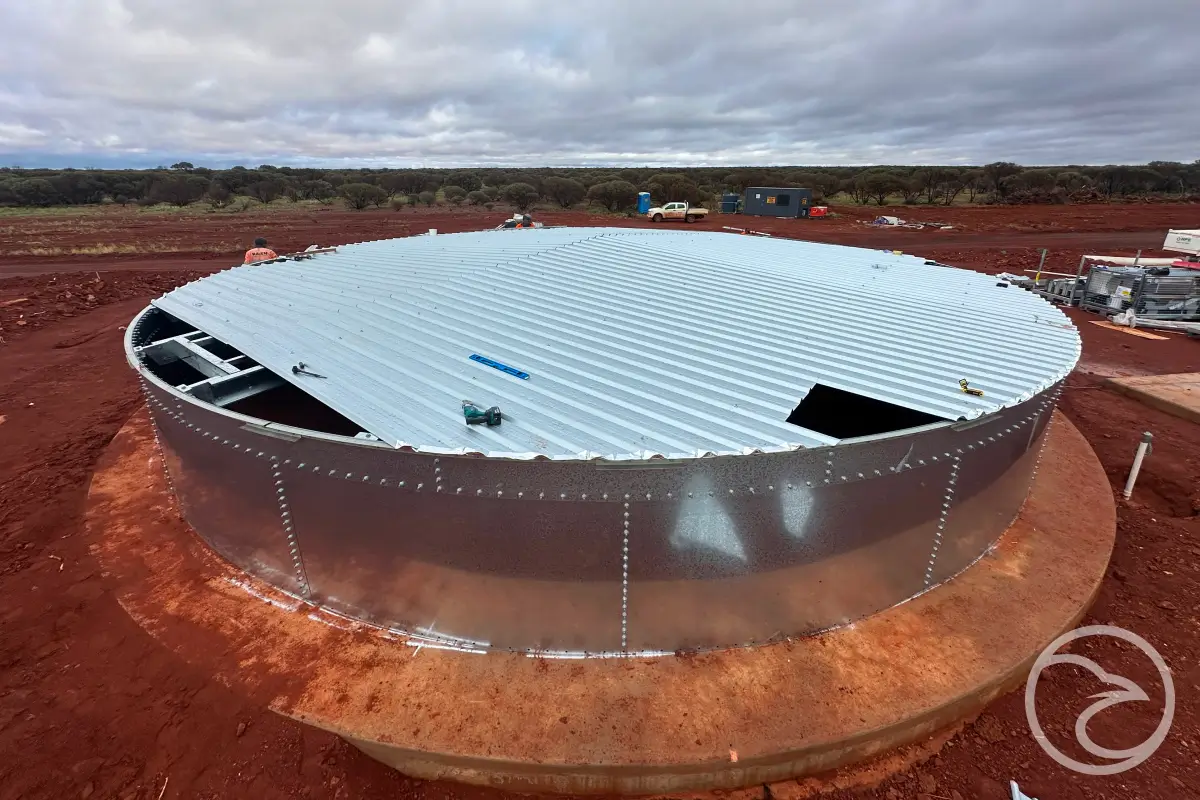
- Roof panel replacement
- Structural reinforcement
- Improved sealing systems
- Safety access improvements
Comprehensive restoration ensures all components meet modern performance standards.
Benefits of Steel Tank Restoration
Restoration provides multiple operational advantages:
- Lower costs compared to full tank replacement
- Reduced operational downtime
- Improved safety and compliance
- Extended infrastructure lifespan
- Sustainable asset management
Facilities often find restoration to be a strategic investment rather than a temporary fix.
Planning a Restoration Strategy
Effective restoration begins with a detailed tank assessment. Facilities should evaluate:
- Current structural condition
- Corrosion severity
- Operational requirements
- Regulatory obligations
- Long-term infrastructure plans
A structured restoration plan ensures minimal disruption while maximizing tank performance.
Proper asset planning often includes professional industrial tank restoration solutions for long-term performance.
Conclusion
Steel tanks remain a vital component of industrial infrastructure. Rather than replacing aging systems, many organizations implement proven steel tank restoration techniques to extend service life and enhance reliability.
Through proper surface preparation, corrosion repair, coating application, and structural upgrades, restoration helps maintain safe and efficient tank operations for years to come.