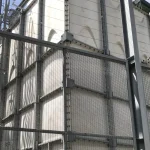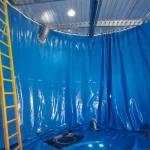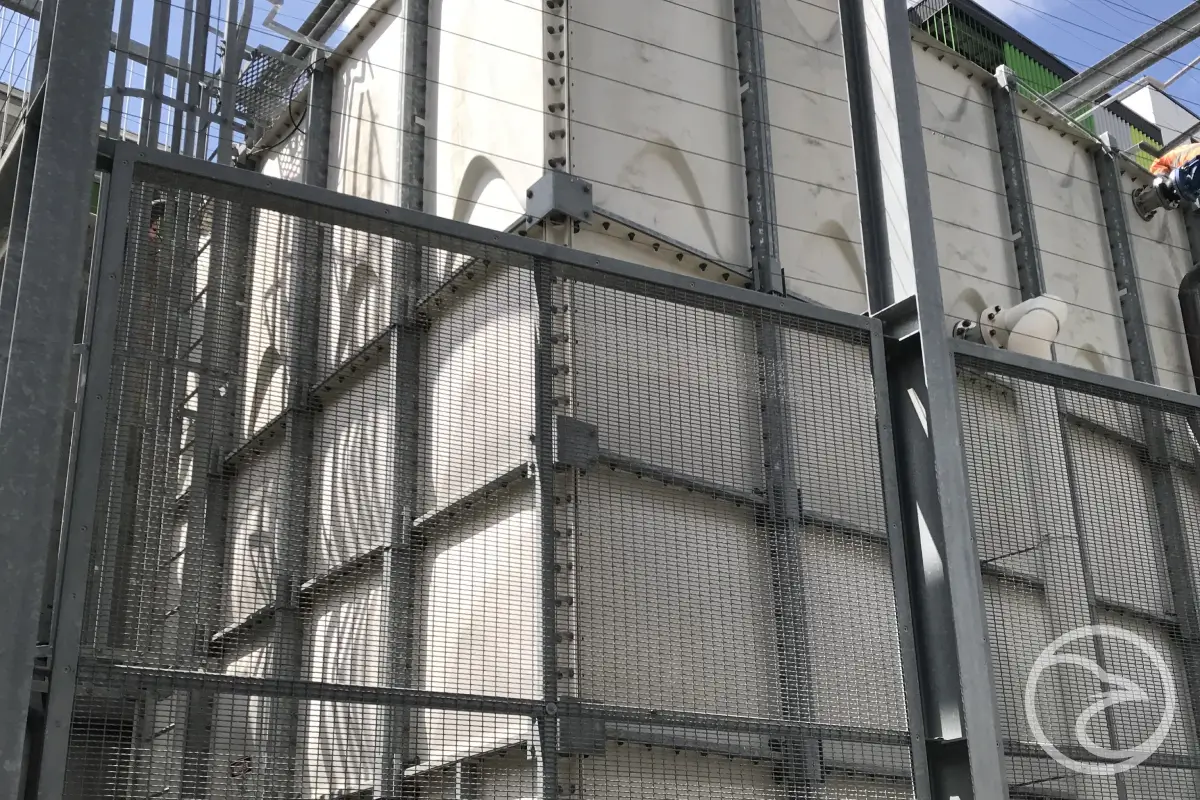
Water storage systems must remain durable, reliable, and suitable for long-term use. Commercial facilities often require storage solutions that can perform across changing environmental and operational conditions.
GRP tanks are commonly used because they combine corrosion resistance with lightweight construction and flexible installation options.
Many industries rely on grp water tanks for potable water storage, fire protection systems, and industrial applications.
What are GRP Water Tanks?
GRP stands for Glass Reinforced Plastic. These tanks use reinforced composite materials designed to improve structural strength and corrosion resistance.
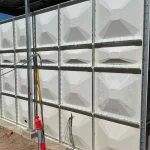
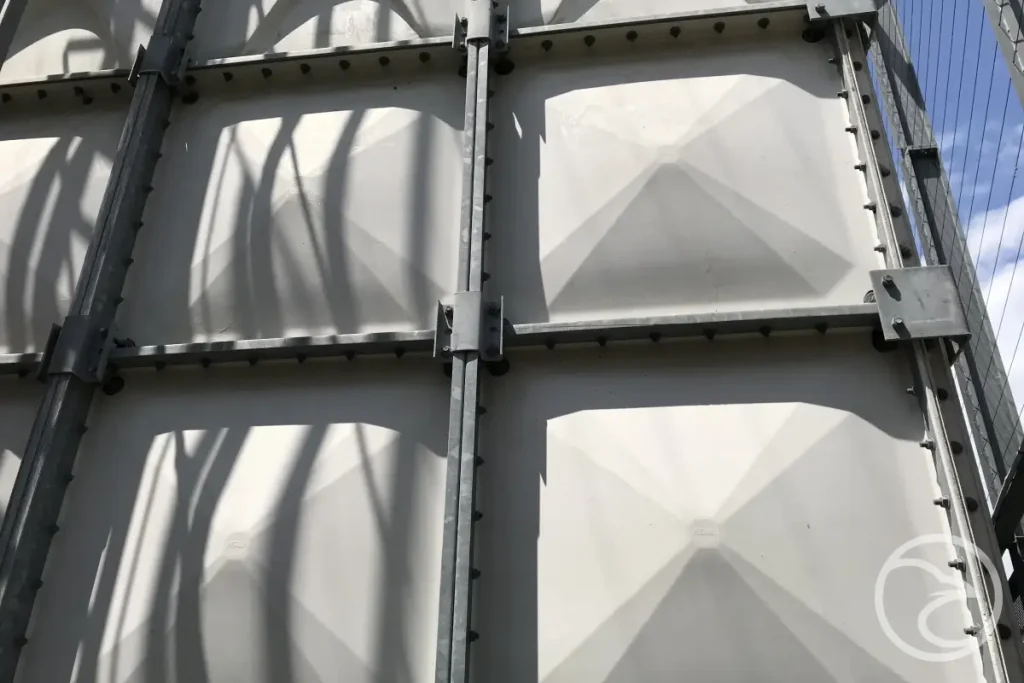
GRP tanks are often assembled using modular panel systems. This design allows flexibility across different site requirements and storage capacities.
Their lightweight structure also makes transportation and installation more manageable compared to some traditional materials.
Why Commercial Facilities Use GRP Tanks
Commercial facilities often require water storage systems that support long-term operational reliability.
GRP tanks are widely used because they offer:
- Corrosion resistance
- Modular construction
- Lightweight materials
- Flexible sizing
- Reduced maintenance requirements
These characteristics make them suitable for a wide range of commercial environments.
Corrosion Resistance is a Major Advantage
One of the main benefits of GRP materials is resistance to corrosion.
Unlike untreated steel, GRP surfaces are less vulnerable to:
- Rust formation
- Moisture damage
- Chemical exposure
- Environmental deterioration
This can improve long-term tank durability in demanding conditions. Corrosion resistance becomes especially important in humid or coastal environments.
Many facilities reviewing benefits of grp water tanks focus heavily on long-term corrosion performance.
Modular Construction Supports Flexible Installation
GRP tanks are commonly built using panel-based systems. This modular design allows tanks to be assembled in locations where traditional large tanks may be difficult to install.
Benefits of modular systems may include:
- Easier transport
- Flexible configurations
- Space-efficient installation
- Expandable storage capacity
This flexibility is useful for commercial buildings, industrial sites, and infrastructure projects.
Facilities reviewing GRP panel tank design features often examine how modular construction supports different installation requirements.
Lightweight Materials Simplify Handling
GRP materials are generally lighter than many traditional steel systems.
Lighter components may reduce:
- Transport complexity
- Crane requirements
- Installation challenges
- Structural loading concerns
This can improve installation efficiency, particularly in restricted-access locations. Lightweight construction may also support rooftop or elevated storage applications.
Suitable for Potable Water Storage
Many GRP systems are used for potable water applications.
Tank materials are often selected to support:
- Water hygiene
- Internal surface protection
- Reduced contamination risk
- Long-term water quality
Smooth internal surfaces may also help simplify cleaning procedures. Potable water applications require consistent monitoring and inspection regardless of tank material.
Weather Resistance Supports Outdoor Applications
Outdoor water tanks face constant exposure to environmental conditions.
GRP materials generally perform well against:
- UV exposure
- Rain
- Humidity
- Temperature fluctuations
Environmental durability contributes to long-term operational reliability. However, regular inspections remain important for monitoring joints, seals, and structural condition.
Maintenance Requirements may be Reduced
Corrosion resistance often reduces the need for certain maintenance activities.Compared with some traditional steel systems, GRP tanks may require less frequent surface treatment or corrosion repair work.However, routine inspections still remain important.
Inspection programs may include:
- Joint assessments
- Roof inspections
- Leak detection
- Structural reviews
- Internal condition checks
Long-term performance depends on proper monitoring and maintenance planning.
GRP Tanks are Used Across Many Industries
Commercial and industrial facilities use GRP tanks across many sectors.
Common applications include:
- Commercial buildings
- Fire protection systems
- Hospitals
- Manufacturing facilities
- Schools
- Agricultural operations
Their flexibility and corrosion resistance support a wide range of operational requirements.
Comparing GRP and Other Tank Materials
Different water storage materials offer different advantages.
Some facilities compare GRP with steel or galvanised systems based on:
- Corrosion resistance
- Structural strength
- Installation flexibility
- Maintenance requirements
- Environmental conditions
Facilities evaluating material options may also review HDG vs GRP tanks to better understand these differences.
Long-Term Reliability Depends on Monitoring
Although GRP materials resist corrosion, long-term reliability still depends on routine inspections and proper system management.
Over time, facilities may monitor:
- Joint integrity
- Surface wear
- Structural movement
- Roof condition
- Water quality
Inspection programs help identify developing issues before larger problems occur. Preventive monitoring also supports longer operational lifespans.
Final Thoughts
Benefits of GRP water tanks include corrosion resistance, modular construction, and long-term durability, which is why they remain widely used across commercial facilities.
Their lightweight structure and flexible installation options make them suitable for many different water storage applications.
As commercial infrastructure requirements continue evolving, GRP tank systems remain a common solution for reliable long-term water storage.