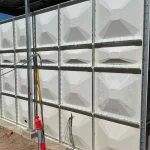
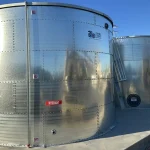
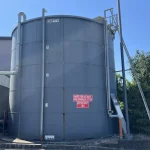
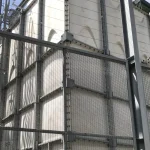
Fire water storage systems are an essential part of fire protection infrastructure. These systems store the water required for fire suppression during emergencies. Because they support critical safety functions, fire water storage must meet strict regulatory requirements.
Across Australia, several standards and regulations define how fire water storage systems should be designed, installed, and maintained. These requirements help ensure that fire protection systems remain reliable when they are needed most.
Understanding fire water storage regulatory requirements is important for facility managers, engineers, and property owners responsible for fire protection systems.
Why Fire Water Storage Compliance is Important
Fire water storage systems must always remain ready for emergency use. When a fire suppression system activates, the stored water must be immediately available.
Regulatory requirements exist to ensure that these systems operate safely and consistently. Compliance helps prevent failures that could reduce the effectiveness of fire protection infrastructure.
Maintaining compliance supports several important objectives:
- Reliable water availability during fire emergencies
- Safe operation of fire protection systems
- Protection of buildings and infrastructure
- Compliance with national and local regulations
While routine Fire Tank Inspections help assess system condition, regulatory frameworks define the broader requirements for fire water storage systems.
Key Fire Water Storage Regulations in Australia
Several regulatory frameworks apply to fire protection water storage systems in Australia. These standards guide the design, installation, and maintenance of fire protection infrastructure.
Important regulatory references include:
- AS 1851 – maintenance of fire protection systems and equipment
- Building codes that define fire safety infrastructure requirements
- Local council regulations related to fire protection water storage
- Engineering standards for structural design and tank construction
These regulations help ensure that fire protection systems operate safely and consistently across different facilities and environments.
Compliance with these frameworks also helps organisations demonstrate that their fire protection infrastructure meets required safety standards.
Structural and Design Requirements for Fire Water Tanks
Fire water storage tanks must meet specific structural and design requirements. These guidelines help ensure that tanks remain stable, durable, and capable of storing large volumes of water.
Key structural considerations include:
- Durable tank materials that resist corrosion and environmental damage
- Stable foundations designed to support the weight of stored water
- Adequate storage capacity for fire suppression systems
- Structural integrity measures to prevent leaks or damage
Tank design must also account for environmental conditions such as temperature changes, weather exposure, and site-specific requirements.
These structural requirements help ensure that fire water storage systems remain reliable throughout their operational life.
Operational Requirements for Fire Water Storage Systems
Operational compliance focuses on how fire water storage systems function within the broader fire protection network.
Water storage tanks must integrate with pumps, pipelines, and fire suppression systems. These connections allow water to be delivered quickly during emergency situations.
Important operational elements include:
- Connections to fire pumps and distribution systems
- Functional valves and pipework
- Consistent water levels within the tank
- Accessible maintenance and monitoring points
Maintaining these operational components helps ensure that fire protection systems respond effectively when activated.
Operational reliability is critical for maintaining a safe fire protection infrastructure.
Documentation and Compliance Records
Regulatory requirements often include documentation and record-keeping obligations. Maintaining accurate records helps demonstrate compliance with fire safety regulations.
Compliance documentation may include:
- System design specifications
- Installation records and engineering documentation
- Maintenance and monitoring records
- Compliance reports and safety audits
These records help facility managers track the condition and performance of fire protection systems over time.
Proper documentation also supports inspections, regulatory reviews, and safety assessments. Facility managers can also review our fire protection system services to better understand maintenance requirements.
Maintaining Long-Term Fire Water Storage Compliance
Maintaining compliance requires ongoing attention to the condition and operation of fire protection systems. Regular monitoring and maintenance help ensure that storage systems remain reliable.
Facility managers should ensure that water storage tanks remain structurally sound and capable of supporting fire suppression systems.
Long-term compliance can be supported through:
- Regular system monitoring and maintenance
- Timely repair of structural or operational issues
- Accurate compliance documentation
- Adherence to national and local safety standards
By understanding and following fire water storage regulatory requirements, organisations can maintain reliable fire protection infrastructure.
Well-maintained fire water storage systems play a vital role in protecting buildings, infrastructure, and communities during fire emergencies.