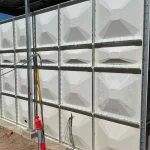
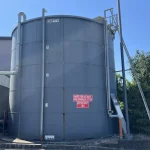
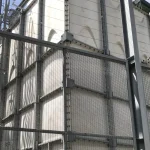
Fire water tanks play a critical role in fire protection systems. They store the water needed for emergency response when fire suppression systems activate. Maintaining reliable water storage is essential for safety, infrastructure protection, and regulatory compliance.
Traditional Fire Tank Inspections remain an important part of maintenance programs. However, modern technology now offers additional ways to monitor tank performance continuously. Smart monitoring systems help detect issues early and improve the reliability of fire protection infrastructure.
Today, smart monitoring for fire tanks is becoming an essential tool for facility managers, engineers, and infrastructure operators.
Why Monitoring Fire Water Tanks is Important
Fire water tanks must always remain ready for emergency use. Any issue affecting water level, structural integrity, or system operation can reduce fire protection capability.
Without proper monitoring, problems may remain unnoticed for long periods. These problems may include leaks, corrosion, sediment buildup, or unexpected water loss.
Monitoring systems help ensure that tanks maintain sufficient water levels and operate correctly. Early detection of issues allows maintenance teams to respond quickly. This reduces the risk of system failure during emergencies.
Modern monitoring solutions also support compliance with safety regulations and operational standards.
How Smart Monitoring Systems Work
Smart monitoring systems use connected technologies to track the condition and performance of fire water tanks. These systems collect data continuously and provide real-time information about tank status.
Sensors installed inside or around the tank measure important parameters. These may include water levels, temperature, pressure, and structural movement.
The collected data is transmitted to digital monitoring platforms. Facility managers can access this information through dashboards, mobile applications, or remote monitoring systems.
Automated alerts notify operators when abnormal conditions occur. This allows maintenance teams to investigate problems before they become serious.
By providing constant oversight, smart monitoring systems improve the reliability of fire protection infrastructure.
Sensors and Real-Time Data for Fire Tanks
Sensors are the core components of smart monitoring systems. They provide the real-time data required to understand tank performance.
Water level sensors track the amount of stored water. These sensors help ensure that tanks always maintain the required capacity for emergency use.
Pressure sensors monitor changes within the tank and connected pipelines. Sudden pressure changes may indicate leaks or system malfunctions.
Temperature sensors help detect environmental conditions that may affect tank performance. Structural sensors can also detect movement or stress within the tank structure.
All sensor data is transmitted to monitoring platforms where it is analyzed continuously. This real-time monitoring provides valuable insights into system health.
Benefits of Smart Monitoring for Fire Tanks
Smart monitoring technology offers several important advantages for fire protection systems.
First, it improves safety by identifying potential problems before they escalate. Early detection reduces the risk of unexpected failures during emergencies.
Second, it provides continuous visibility into tank performance. Facility managers can monitor water levels and system conditions at any time.
Third, monitoring systems reduce the need for frequent manual checks. Maintenance teams can focus their efforts on identified issues rather than routine inspections.
Smart monitoring also improves maintenance planning. Data collected over time helps identify trends and predict potential system problems.
These advantages make smart monitoring for fire tanks an effective solution for improving infrastructure reliability.
Future of Smart Monitoring in Fire Protection Systems
Digital monitoring technologies continue to evolve rapidly. Future fire protection systems will increasingly rely on connected sensors and automated monitoring platforms.
Advanced analytics and predictive monitoring tools will allow operators to identify potential failures before they occur. Artificial intelligence may also help analyze large volumes of system data.
Integration with broader building management systems will provide a more complete view of fire protection infrastructure. This will improve coordination between monitoring, maintenance, and emergency response systems.
As technology advances, smart monitoring will play an even greater role in maintaining safe and reliable fire water storage systems.