Fire water systems are a critical part of building safety infrastructure. They ensure that sufficient water is available for fire suppression during emergencies. Because these systems support life-safety equipment, proper maintenance is essential for reliable performance.
A fire water system typically includes storage tanks, pumps, pipes, valves, and monitoring components. Each part of the system must function correctly to ensure that water can be delivered quickly when a fire protection system activates.
Understanding how to maintain a fire water system helps building owners and facility managers keep their fire protection infrastructure reliable and compliant with safety requirements.
Why Fire Water System Maintenance is Important
Fire water systems must remain ready for immediate use. During an emergency, the entire fire suppression system depends on the availability of stored water and the proper operation of pumps and pipelines.
Without regular maintenance, small problems can develop into serious issues. Corrosion, leaks, sediment buildup, or faulty valves may reduce system performance.
Regular system checks help ensure that water storage, delivery systems, and supporting components remain operational. While routine Fire Tank Inspections are essential for evaluating tank condition, ongoing maintenance helps prevent problems from developing in the first place.
Maintaining fire water systems protects infrastructure and helps ensure that emergency systems function properly when needed.
Key Components of a Fire Water System
A fire water system consists of several components that work together to deliver water during a fire emergency.
Common components include:
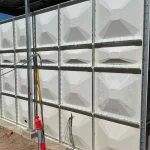
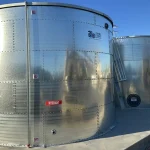
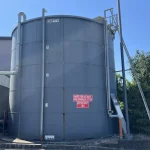
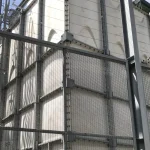
- Fire water storage tanks that hold the required water supply
- Fire pumps that deliver water through the system
- Pipelines and valves that distribute water to fire suppression equipment
- Monitoring devices that track system conditions
- Control systems that activate pumps during emergencies
Each of these components must remain functional and properly maintained. Problems affecting any single element can compromise the performance of the entire fire protection system.
Regular Maintenance Tasks for Fire Water Tanks
Fire water tanks are one of the most important elements of a fire water system. They store the water needed for fire suppression equipment.
Routine tank maintenance helps ensure that storage systems remain reliable.
Important maintenance tasks may include:
- Checking tank structure for visible damage or corrosion
- Monitoring water levels to ensure sufficient capacity
- Inspecting access points, ladders, and covers
- Removing sediment or debris that may accumulate over time
Maintaining the condition of fire water tanks helps preserve water quality and ensures that adequate water remains available for emergency use.
Maintaining Water Quality in Fire Protection Systems
Water quality is another important factor in fire water system performance. Poor water quality can lead to corrosion, sediment buildup, or blockages in pipelines and pumps.
Maintaining clean water helps protect the mechanical components of the fire protection system.
Water quality maintenance may involve:
- Monitoring sediment levels inside storage tanks
- Preventing contamination from debris or environmental sources
- Ensuring tank covers and access points remain sealed
Keeping water storage systems clean supports the long-term reliability of fire protection infrastructure.
System Monitoring and Maintenance Records
Monitoring systems help facility managers track the condition and performance of fire water systems. These monitoring tools provide valuable insights into system health.
Regular monitoring may include:
- Checking pump operation and pressure levels
- Reviewing system alarms or monitoring data
- Observing water level indicators in storage tanks
Maintaining accurate maintenance records is also important. Documentation helps track system condition, identify recurring issues, and demonstrate compliance with fire safety requirements.
These records may include maintenance logs, system reports, and documentation of repairs.
Long-Term Maintenance Planning for Fire Water Systems
Maintaining a fire water system requires a long-term approach. Building owners and facility managers should establish maintenance programs that ensure consistent system performance.
Effective maintenance planning may include:
- Scheduled system checks and preventive maintenance
- Monitoring structural and mechanical components
- Maintaining accurate system documentation
- Addressing issues promptly when problems are detected
By understanding how to maintain a fire water system, organisations can support the long-term reliability of their fire protection infrastructure.
You can also learn more about maintaining fire protection infrastructure through our professional tank services.
Proper maintenance helps ensure that fire suppression systems remain ready to respond during emergencies and continue protecting buildings, infrastructure, and occupants.