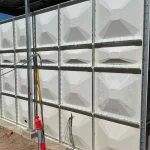
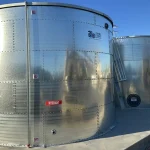
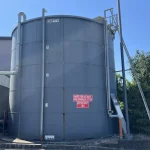
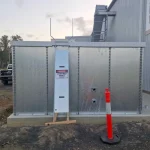
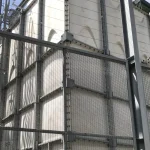
HDG tanks are widely used in industrial and commercial water storage systems. Their galvanized coating helps protect steel surfaces from corrosion and environmental damage.
Although HDG tanks are highly durable, regular hdg tank maintenance remains essential for long-term performance. Without proper care, environmental exposure and operational stress may gradually affect tank condition.
Understanding the best maintenance practices for hdg tanks helps facilities reduce repair costs, improve reliability, and extend system lifespan.
Why HDG Tank Maintenance Matters
Hot-dip galvanizing creates a protective zinc coating on steel surfaces. This coating helps prevent corrosion and structural deterioration. Over time, however, moisture, chemicals, sediment, and environmental exposure may affect protective performance.
Routine maintenance helps:
- identify early damage
- reduce corrosion risks
- improve structural reliability
- support operational safety
Schedule Regular Visual InspectionsRoutine visual inspections help identify maintenance issues early.
Inspectors should monitor:- coating damage
- surface discoloration
- rust formation
- leaks
- structural deformation
Early detection prevents small issues from developing into larger repair problems.
Inspection frequency depends on:
- environmental conditions
- water quality
- tank usage
- exposure levels
Facilities operating in harsh environments may require more frequent inspections.
Monitor Corrosion Development
Although galvanized coatings resist corrosion, long-term exposure can still affect steel surfaces.
Corrosion risks increase in environments with:
- high humidity
- salt exposure
- aggressive chemicals
- standing moisture
Inspectors should carefully examine seams, joints, and connection points where corrosion often develops first. Protective coating repairs may help prevent additional deterioration.
Many operators also review common issues in hot dipped galvanised tanks to identify recurring maintenance concerns before they affect structural integrity.
Clean Tanks Regularly
Sediment and debris gradually accumulate inside industrial water tanks.
Without cleaning, buildup may:
- reduce water quality
- increase coating wear
- trap moisture
- encourage corrosion
Routine cleaning helps maintain operational efficiency and internal tank condition.
Facilities should remove:
- sediment
- biological growth
- mineral deposits
- debris accumulation
Professional cleaning procedures help protect galvanized surfaces during maintenance activities.
Check Water Quality Conditions
Water chemistry significantly affects galvanized coating performance. Highly acidic or chemically aggressive water may accelerate coating deterioration.
Facilities should regularly test:
- pH levels
- mineral content
- chemical concentration
- contamination levels
Maintaining balanced water chemistry helps reduce corrosion risks and extend tank lifespan. Water quality monitoring also supports compliance and operational reliability.
Inspect Seams and Fasteners
Tank seams and fasteners experience constant structural stress.
Bolts, joints, and welded areas may weaken over time due to:
- vibration
- water pressure
- environmental exposure
- corrosion
Routine inspections help identify:
- loose fittings
- coating wear
- joint separation
- moisture penetration
Early repairs help maintain structural stability and leak prevention.
Prevent Standing Moisture
External moisture exposure may gradually affect galvanized surfaces.
Standing water around the tank base increases corrosion risks and foundation deterioration. Facilities should maintain proper site drainage to prevent moisture accumulation.
Inspectors should also check for:
- blocked drainage areas
- roof leaks
- condensation buildup
- water pooling
Good drainage management improves long-term tank protection.
Repair Coating Damage Quickly
Minor coating damage can expand if repairs are delayed. Scratches, chips, or worn areas expose steel surfaces to moisture and oxygen.
Repairing damaged sections quickly helps maintain corrosion resistance. Protective zinc-rich coatings may help restore exposed areas.
Professional repairs ensure compatibility with existing galvanized protection systems.
Monitor Structural Stability
Large industrial tanks experience continuous operational stress. Foundation movement, vibration, or structural shifting may affect tank stability over time.
Inspectors should monitor:
- support structures
- tank alignment
- foundation condition
- wall deformation
Structural monitoring helps prevent major operational failures and safety risks.
Control Biological Growth
Moisture and stagnant water sometimes encourage biological growth inside storage systems. Biofilms and algae may affect water quality and increase maintenance requirements.
Routine cleaning and proper water circulation help reduce contamination risks. Facilities should also maintain ventilation systems where applicable.
Why Preventive Maintenance Improves Lifespan
Preventive maintenance helps HDG tanks operate efficiently for many years.
Routine inspections and cleaning reduce the likelihood of:
- severe corrosion
- structural damage
- leaks
- emergency repairs
Proactive maintenance planning also improves operational reliability and reduces downtime. Facilities focused on long-term infrastructure performance often review how long do galvanized water tanks last? To better understand factors affecting service life and durability.
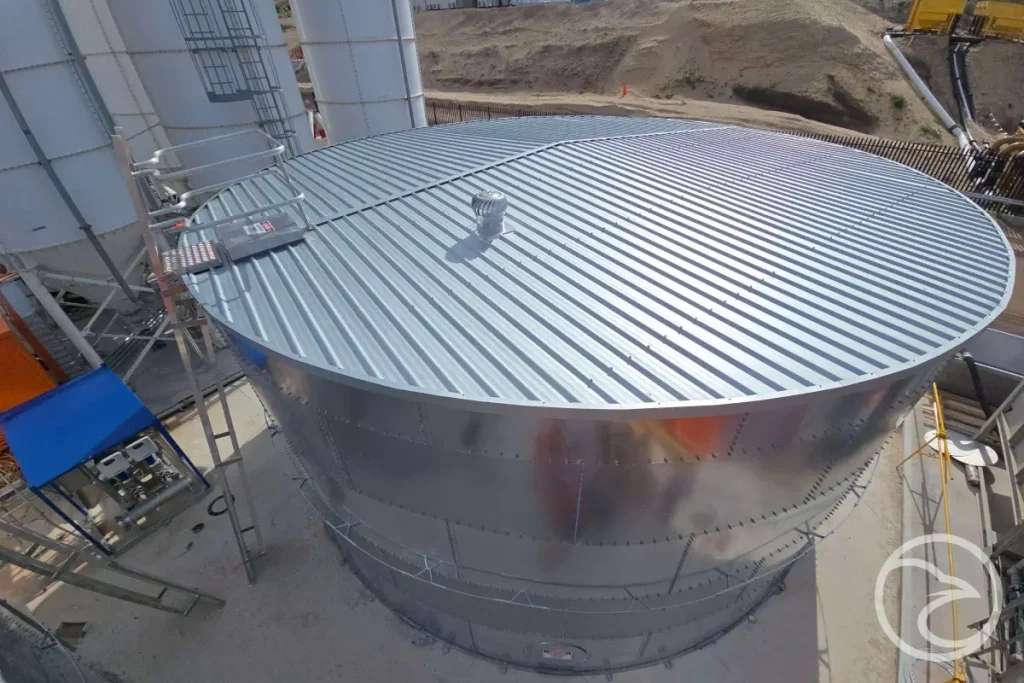
Create a Long-Term Maintenance Plan
A structured maintenance plan improves consistency and inspection scheduling.
Maintenance programs should include:
- inspection intervals
- cleaning schedules
- coating assessments
- repair documentation
- water quality testing
Clear maintenance records help facilities track tank condition over time. Consistent tank maintenance planning supports better asset management and operational safety.
Final Thoughts
HDG tanks provide strong corrosion resistance and long-term durability for industrial water storage applications. However, regular hdg tank maintenance remains essential for protecting galvanized coatings and structural integrity.
Routine inspections, cleaning, water quality monitoring, and preventive repairs all help extend tank lifespan and improve operational performance. A proactive maintenance strategy reduces long-term repair costs and helps HDG tanks perform reliably in demanding industrial environments.