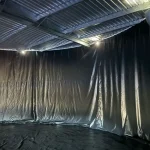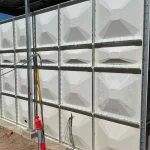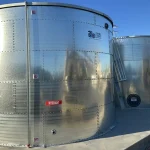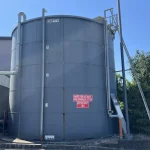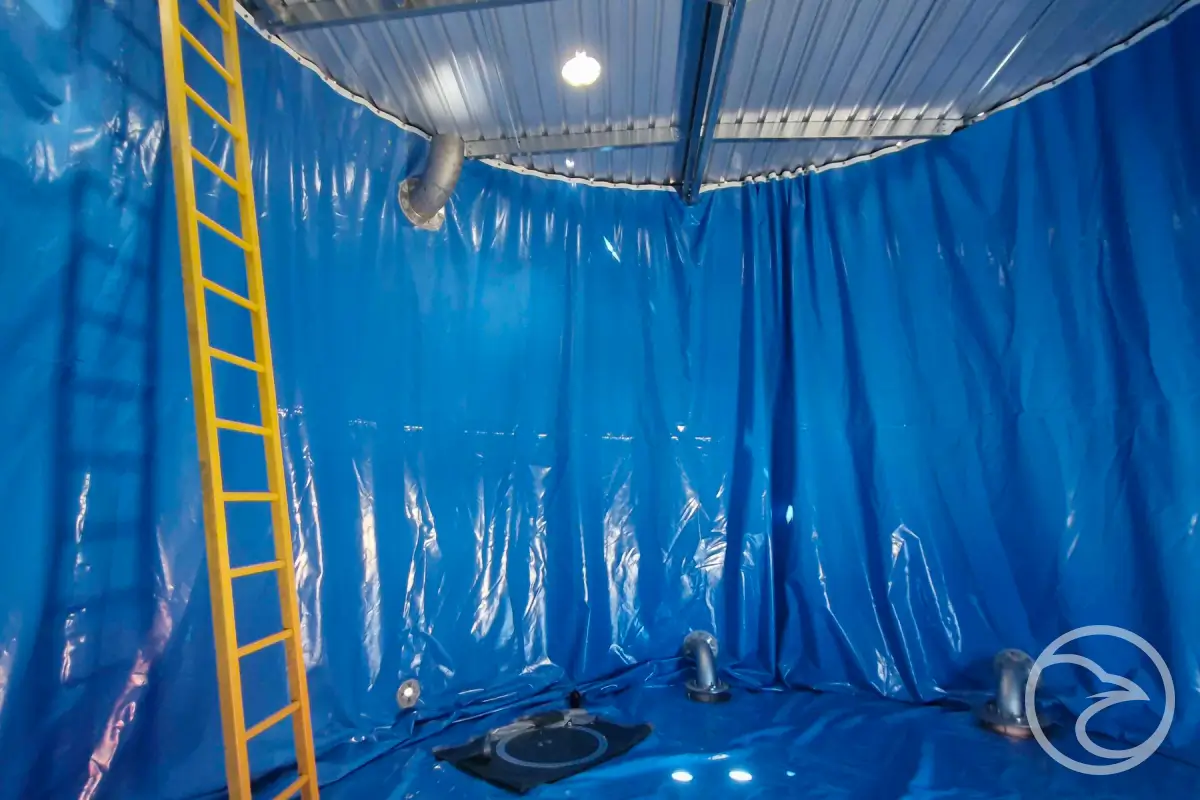
Fire tank liners help protect commercial water storage systems from moisture and structural damage. They play an important role in maintaining reliable emergency water storage performance.
However, liners gradually deteriorate under constant environmental and operational stress. Without proper maintenance, small issues may eventually develop into major infrastructure problems.
Understanding the most common causes of fire tank liner deterioration helps facilities improve long-term system reliability and reduce repair risks.
Why Fire Tank Liners Matter
Fire water storage systems must remain dependable during emergencies. Tank liners help protect internal tank surfaces from corrosion and leakage.
Well-maintained liners support:
- improved water containment
- reduced structural damage
- better moisture protection
- longer tank lifespan
- lower maintenance costs
Damaged liners may affect both structural performance and emergency readiness. Regular maintenance helps reduce long-term damage to fire tank lining systems in commercial facilities.
Constant Moisture Exposure
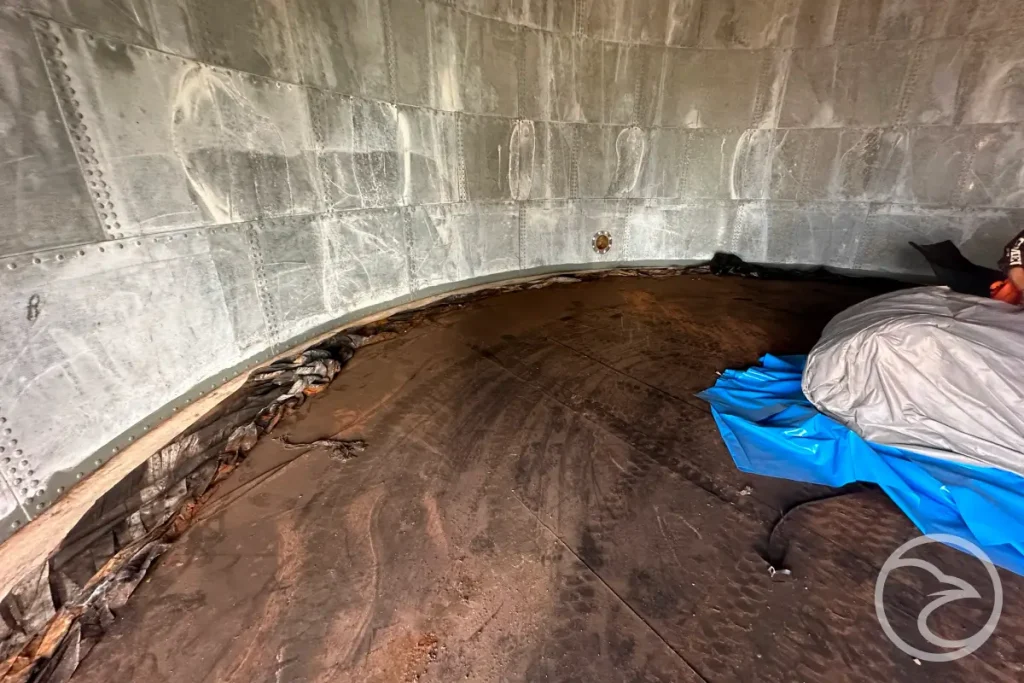
Moisture exposure is one of the leading causes of liner deterioration. Fire water tanks operate under continuously wet conditions. Over time, moisture gradually weakens protective liner materials. Small surface defects may eventually allow deeper penetration.
Common moisture-related problems include:
- surface blistering
- material softening
- seam weakening
- coating separation
- trapped condensation
Facilities exposed to humid environments may experience faster deterioration rates.
Temperature Fluctuations
Changing temperatures place stress on liner materials constantly. Expansion and contraction gradually affect structural flexibility. Extreme temperature conditions may weaken seams and joints over time. Outdoor tanks are especially vulnerable to environmental stress.
Temperature-related deterioration may cause:
- cracking surfaces
- brittle materials
- seam separation
- reduced flexibility
- surface distortion
Routine inspections help identify these problems before severe damage develops.
Aging Materials and Natural Wear
Even high-quality liners experience wear over long operational periods. Material performance slowly declines with continuous use. Older liners may become less flexible and more vulnerable to cracking. Protective coatings may also lose effectiveness gradually.
Signs of aging often include:
- faded surfaces
- rough textures
- brittle sections
- weakened seams
- reduced elasticity
Monitoring liner lifespan helps facilities plan preventive maintenance more effectively.
Poor Maintenance Practices
Inconsistent maintenance often accelerates liner deterioration significantly. Small defects may worsen when inspections are delayed. Lack of cleaning may also increase moisture and contamination problems. Preventive maintenance is important for long-term system reliability.
Poor maintenance may contribute to:
- unnoticed damage
- increased leakage risks
- structural weakening
- faster surface deterioration
- higher repair costs
Many facility managers also review guides like how often should fire tank liners be inspected? when planning inspection schedules.
Chemical Exposure and Water Quality Issues
Stored water conditions may affect liner performance over time. Chemical exposure sometimes weakens protective liner materials. Contaminants may gradually damage internal surfaces and coatings. Poor water quality can also accelerate deterioration.
Potential risks include:
- chemical degradation
- surface discoloration
- weakened protective layers
- material breakdown
- contamination buildup
Regular inspections help identify water-related deterioration early.
Seam and Joint Stress
Tank seams experience constant operational pressure. These areas often become the first points of failure. Weak seams may eventually allow moisture behind the liner surface. Hidden water penetration may create structural risks over time.
Common seam-related problems include:
- lifting edges
- joint separation
- adhesive failure
- corner gaps
- loose connections
Professional inspections help identify seam problems before significant leakage occurs.
Structural Movement and Tank Stress
Tank movement may place additional pressure on liner systems. Structural shifting sometimes affects liner alignment and stability. Stress-related damage may develop gradually over time. Ignoring these issues can increase long-term repair requirements.
Potential warning signs include:
- liner stretching
- uneven surfaces
- panel movement
- distorted seams
- recurring surface damage
Commercial fire water storage systems require stable infrastructure performance at all times.
Why Early Detection Matters
Small liner problems rarely improve without maintenance intervention. Delaying repairs often increases operational and structural risks.
Early detection helps facilities reduce:
- emergency repair costs
- water leakage risks
- structural deterioration
- operational downtime
- long-term maintenance expenses
Preventive inspections support safer and more reliable fire protection systems. Many businesses also review resources like when do you need fire tank liner repair? when assessing liner condition and maintenance priorities.
Final Thoughts
Fire tank liners play an important role in protecting commercial emergency water storage systems. However, constant moisture exposure and operational stress gradually affect liner performance. Temperature changes, aging materials, seam stress, and poor maintenance often contribute to deterioration. Ignoring these problems may increase repair costs and reduce system reliability.
Understanding the common causes of fire tank liner deterioration helps facilities maintain safer and more dependable fire protection infrastructure. As commercial safety standards continue evolving, proactive liner maintenance remains increasingly important.