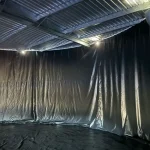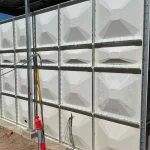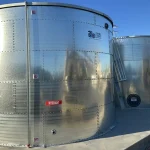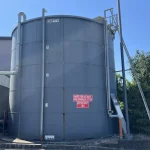
Tank liners are designed to protect water storage systems from leaks, corrosion, and contamination. However, like any material, they degrade over time.
Recognizing the signs of tank liner failure early can help prevent costly damage, system downtime, and potential safety risks.
Why Tank Liner Failure Happens
Tank liners are exposed to constant stress from:
- water pressure
- temperature changes
- chemical exposure
- structural movement
Over time, these factors can weaken the material, leading to gradual deterioration.
Even high-quality tank liners can fail if not properly monitored.
1. Visible Cracks or Surface Damage
One of the most obvious warning signs is visible damage to the liner surface:
- cracks
- bubbling or blistering
- worn or thinning areas
These issues often indicate that the material is losing its structural integrity.
2. Water Leaks or Unexplained Water Loss
A sudden or gradual drop in water levels may signal liner failure.
Even small leaks can:
- reduce system efficiency
- lead to structural damage
- worsen over time
This is one of the most critical signs that immediate attention is required.
3. Discoloration or Staining
Changes in the liner’s appearance can indicate deeper issues.
Common signs:
- dark patches
- unusual staining
- uneven coloration
These may result from chemical reactions, contamination, or material breakdown.
4. Changes in Water Quality
A failing liner can affect the condition of stored water.
Warning signs include:
- unusual odors
- visible particles
- changes in clarity
This is especially important in systems storing potable water, where safety is a priority.
5. Seam or Joint Separation
Seams are often the weakest part of a liner system.
Check for:
- lifting edges
- gaps between joints
- signs of separation
If seams begin to fail, the risk of leakage increases significantly.
6. Increased Maintenance Issues
If a tank requires more frequent repairs or attention, it may indicate liner deterioration.
Recurring issues often signal that the liner is no longer performing effectively.
7. Age of the Liner
Even without visible damage, age alone can be a factor.
Most liners have a limited lifespan depending on:
- material type
- environmental conditions
- usage patterns
Older liners are more prone to failure and should be monitored closely.

When Should You Take Action?
If you notice any of these signs, it’s important to act early.
Ignoring small issues can lead to:
- major system failure
- expensive repairs
- downtime
In many cases, early intervention can prevent full liner replacement.
Regular inspections play a key role in preventing major issues. Understanding how often fire tank liners should be inspected can help identify problems early and avoid system failure.
Conclusion
Understanding the signs of tank liner failure is essential for maintaining a safe and reliable water storage system. By identifying problems early, you can reduce risks, extend system lifespan, and avoid costly disruptions.
A proactive approach always delivers better long-term results.