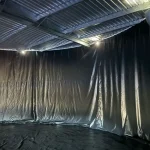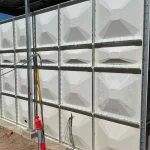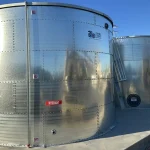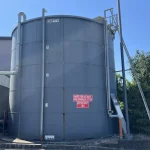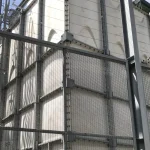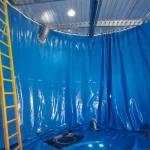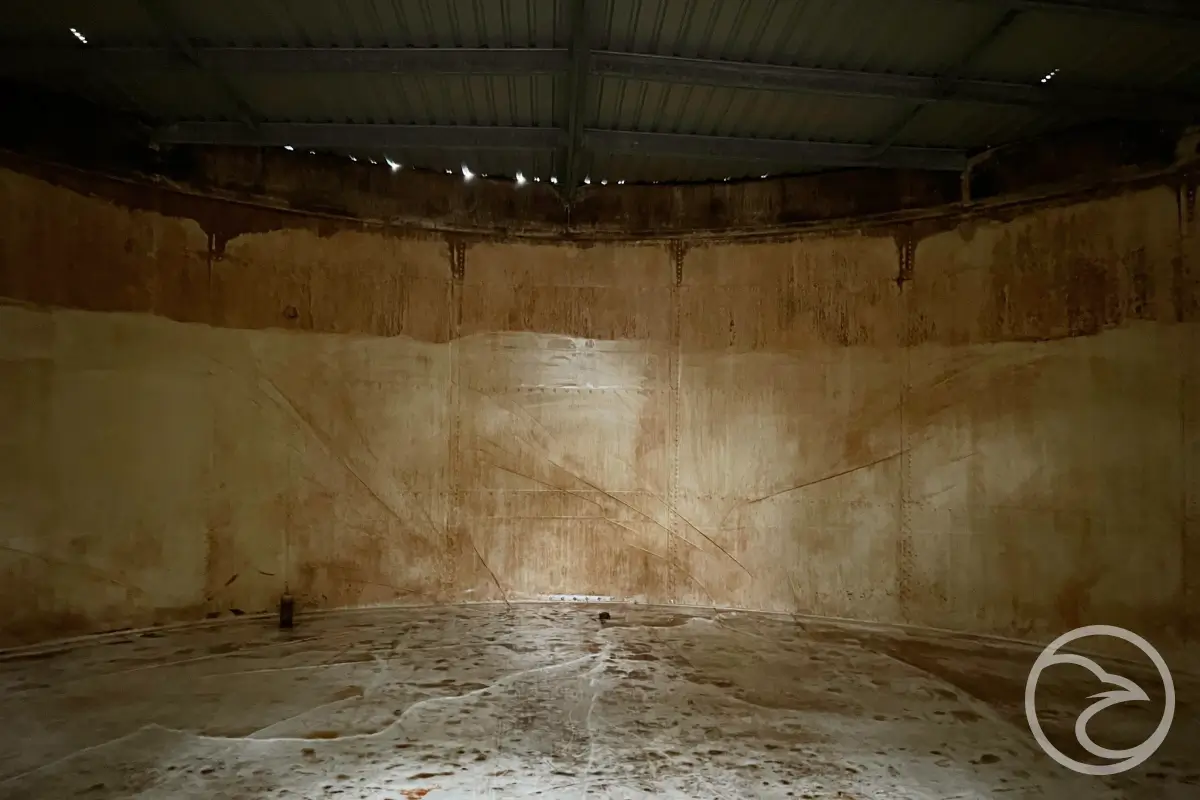
Storage tanks are designed to operate reliably over long periods, often spanning decades. While external exposure is commonly considered when evaluating tank condition, many important changes occur internally as time passes. Understanding how time influences internal tank surfaces and materials helps explain why older tanks behave differently from newer systems. At the core of this process is tank material aging, which develops gradually and often without immediate visibility.
This article explores how internal tank materials are affected by time, focusing on natural aging mechanisms rather than maintenance actions or protective solutions.
Time as a Constant Influencing Factor
Unlike sudden mechanical damage or environmental events, time acts continuously on internal tank materials. Even under stable operating conditions, internal surfaces are exposed to water, dissolved substances, temperature variations, and internal stresses day after day.
These long-term exposures slowly alter material properties. Changes may be subtle at first, but their cumulative effect becomes more noticeable as years of operation pass.
Surface Interaction With Stored Water
Internal tank surfaces are in constant contact with stored water. Over time, this interaction influences surface texture, chemical stability, and protective layers originally present on the material.
Factors contributing to gradual surface change include:
- prolonged moisture exposure
- dissolved oxygen interaction
- mineral deposition or precipitation
- local variations in water chemistry
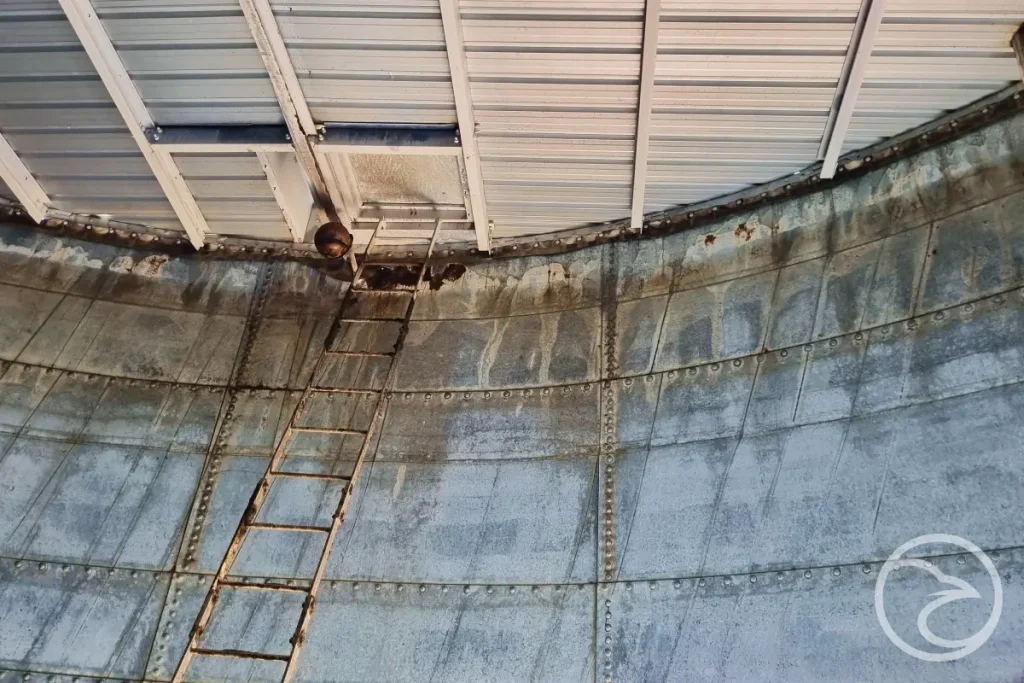
As these factors persist, internal surfaces may become more reactive or uneven, reflecting the natural progression of tank material aging.
Material Fatigue and Micro-Level Changes
Internal tank materials are also subject to low-level mechanical and thermal stresses. Filling and draining cycles, minor pressure fluctuations, and temperature changes introduce repeated stress over time.
While these stresses are typically well within design limits, their repetition can lead to micro-level changes such as:
- reduced elasticity
- minor surface cracking
- gradual loss of protective characteristics
These changes rarely cause immediate issues but contribute to the long-term evolution of internal material behaviour.
Influence of Sediment and Deposits
Sediment and deposits that form inside tanks can further influence how materials age. When particles settle on internal surfaces, they create micro-environments that differ from surrounding areas.
These localized conditions may:
- trap moisture against surfaces
- alter chemical exposure in specific zones
- limit natural water movement
As a result, material aging may occur unevenly, with certain areas showing more pronounced changes than others.
Biological Activity Over Extended Periods
In long-term storage systems, biological activity may also play a role in material aging. Microorganisms can develop slowly in stable environments, especially where nutrients are present.
Over time, biological byproducts and organic deposits may interact with internal surfaces, subtly influencing material properties and contributing to non-uniform aging patterns within the tank.
Why Aging is Rarely Uniform
One important characteristic of tank material aging is its uneven nature. Internal conditions vary based on flow patterns, temperature stratification, geometry, and exposure duration.
Because of this variability:
- some surfaces age faster than others
- joints and connections may behave differently from flat panels
- lower or less-disturbed zones often experience distinct aging trends
This uneven progression helps explain why internal conditions can differ significantly across the same tank.
Understanding Long-Term Material Behaviour
Recognising how time affects internal tank surfaces provides valuable context for interpreting internal tank behaviour. Rather than viewing aging as a single event, it is more accurately understood as a continuous process shaped by interaction, exposure, and internal dynamics.
Awareness of tank material aging supports a more informed perspective on long-term tank performance and highlights why internal conditions evolve even in systems that appear externally unchanged.
Final Thoughts
Time influences internal tank surfaces and materials through ongoing exposure, repeated stress, sediment interaction, and biological processes. These factors work together gradually, making tank material aging a predictable outcome of long-term operation. Understanding how materials change over time offers important insight into internal tank behaviour and the natural evolution of storage systems, without framing aging as a failure or service-related issue.
For those looking to better understand how internal tank materials are evaluated over time, additional context is available through internal tank condition assessments.