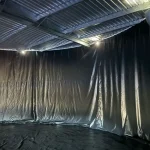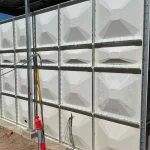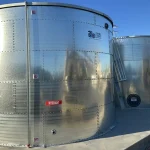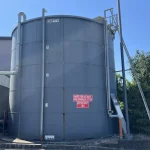
Fire water tanks must store water reliably until it is needed by the fire protection system. The tank structure provides strength and support. However, some tanks also use an internal liner for water containment.
A fire water tank liner creates a barrier between stored water and the tank structure. This barrier can support watertight storage and reduce direct water contact with suitable structural surfaces. However, liners are not identical across every fire water tank.
Materials, construction, installation methods, and operating conditions can vary considerably. The correct liner must suit the tank design and its intended fire protection role.
This guide explains how fire water tank liners work, their main types, and important selection factors.
What is a Fire Water Tank Liner?
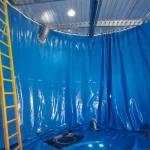
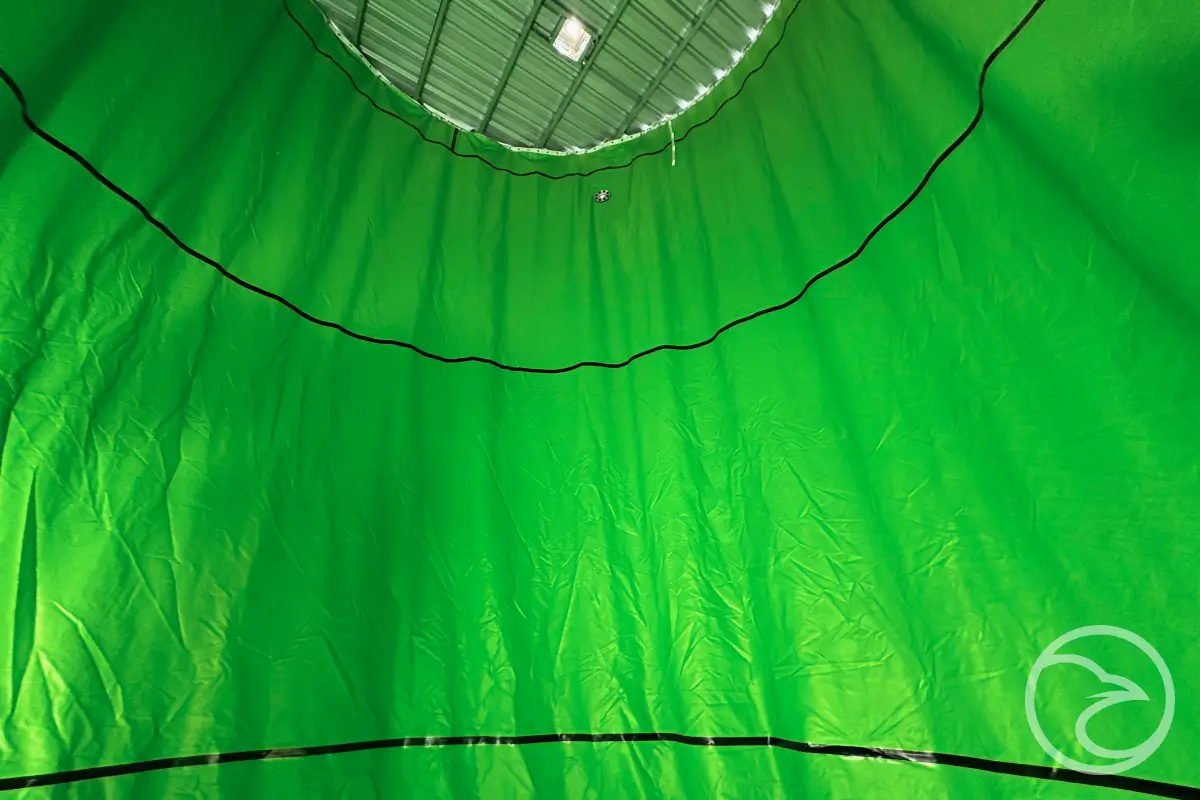
A fire water tank liner is a membrane installed inside a water storage tank. It forms an internal barrier designed to contain the stored water. The liner sits between the water and relevant internal tank surfaces.
Depending on the tank design, it may cover the walls and floor as one containment system. Tank liners are commonly flexible rather than forming part of the main structural shell. This distinction is important. The tank structure supports water loads and provides structural stability.
The liner primarily provides a watertight barrier within that structure. Therefore, a liner should not be considered a replacement for sound structural tank components. Tank liners can be manufactured from several engineered materials.
Suitable fire tank liners should be selected according to the tank design, operating conditions, and required water containment performance.
What is the Purpose of a Fire Water Tank Liner?
The primary purpose of a liner is water containment. It creates a continuous barrier designed to keep stored fire water inside the tank. This function can provide several practical benefits.
Creating a Watertight Barrier
A properly installed liner forms a barrier across the internal storage area. The water is contained by the membrane rather than relying only on the underlying structural surfaces.
This can be particularly useful for suitable sectional tank designs.
Separating Water From Tank Surfaces
The liner can reduce direct contact between stored water and relevant structural surfaces. This separation can help protect suitable tank components from continuous water exposure.
However, a liner does not prevent every possible form of tank deterioration. External surfaces and structural components can still require maintenance.
Supporting Different Tank Configurations
Flexible liners can suit tanks with different dimensions and configurations. They can be manufactured or fitted for the intended internal tank geometry.
This makes liners useful in various modular and sectional storage systems.
Supporting Reliable Water Storage
Fire water must remain available when required. A correctly specified liner supports this objective by helping maintain water containment.
Its performance therefore forms part of the wider reliability of the tank.
How Does a Fire Water Tank Liner Work?
The basic principle is relatively simple. The tank provides structural support, while the liner creates the water containment barrier.
In simplified terms, the arrangement is:
Tank structure → liner → stored fire water
The water contacts the liner instead of directly contacting covered structural surfaces. However, successful containment requires more than placing a membrane inside the tank. The liner must form a continuous barrier throughout the storage area.
Corners, joints, fittings, and penetrations need careful consideration. Tank outlets must pass through or connect with the liner without compromising water containment. The same applies to other necessary penetrations.
The liner must also remain correctly positioned while the tank fills and empties. Water creates significant pressure against tank walls and the liner.
The structural tank carries the primary water load. The liner must work with that structure without being exposed to unsuitable stress or sharp surfaces. Correct support and installation are therefore essential.
A liner can only perform properly when the surrounding tank remains suitable for its intended function.
What are Fire Water Tank Liners Made from?
Fire water tank liners can use different flexible membrane materials. The exact material depends on the tank system and project requirements. Common categories can include reinforced flexible membranes and polymer-based liner materials.
Some systems may use PVC-based materials. Others may use polyethylene-based or other engineered membrane materials. Reinforcement can provide additional dimensional stability and resistance to mechanical stresses.
However, material names alone do not determine suitability. Different products can have different properties even when they belong to the same general material family.
Important characteristics can include:
- flexibility;
- strength;
- resistance to tearing;
- compatibility with stored water;
- temperature tolerance;
- expected operating conditions;
- joint or seam construction;
- installation requirements.
The liner material should therefore be selected for the specific tank system. Choosing solely by membrane thickness or material name can overlook other important performance factors.
What are the Main Types of Fire Water Tank Liners?
Fire water tank liners can be classified in several ways. They may differ by material, reinforcement, manufacturing method, or installation approach.
Understanding these differences can help explain why one liner system may not suit every tank.
Flexible Tank Liners
Flexible liners conform to the internal shape of the tank. They are designed to form a continuous containment barrier inside the supporting structure.
Their flexibility can make them suitable for sectional and modular tank configurations. However, the liner still requires appropriate support from the surrounding tank.
Prefabricated Tank Liners
Some liners are manufactured to suit predetermined tank dimensions. Sections, seams, and other details can be prepared before installation.
This approach can reduce some site fabrication requirements. Accurate tank measurements remain essential.
A liner manufactured for incorrect dimensions may not fit or perform as intended.
Site-Fitted Liner Systems
Other systems involve more installation work at the tank location. This may be useful where site conditions or tank configurations require additional fitting.
Installation quality becomes particularly important with these systems. Seams, corners, penetrations, and connections need appropriate attention.
Reinforced Liner Systems
Reinforced membranes include additional material intended to improve certain mechanical properties. The reinforcement can help the membrane maintain stability under suitable operating conditions.
However, reinforcement does not make a liner structurally equivalent to the tank shell. The supporting tank must still remain structurally suitable.

Fire Water Tank Liners vs Tank Coatings
Tank liners and tank coatings can both separate stored water from underlying surfaces. However, they work differently.
A tank liner is a separate membrane installed inside the tank. A tank coating is applied directly to a prepared tank surface. The coating becomes closely bonded to that surface.
A flexible liner generally remains a distinct containment layer within the tank. This difference affects preparation, installation, inspection, and repair methods. Coatings depend heavily on surface preparation and adhesion. Liners depend on correct fitting, support, seams, and details around penetrations.
Neither approach is automatically better for every application. Tank construction, condition, operating requirements, and existing surfaces can influence the appropriate solution.
The decision should therefore be based on the specific tank rather than a general preference.
Which Fire Water Tanks can use Liners?
Liners can be used with several suitable tank configurations. However, compatibility should always be confirmed before selection.
Sectional Tanks
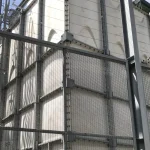
Sectional tanks are assembled from individual panels. A flexible internal liner can provide the water containment barrier within suitable sectional systems.
The tank panels provide structural support around the liner.
Steel Tanks
Some steel tank designs can use internal liner systems. The existing steel structure must remain suitable for the intended application.
Installing a liner should not be treated as a substitute for addressing significant structural corrosion.
Concrete Tanks
Certain concrete water tanks may also use compatible lining or membrane systems. Surface condition and tank configuration remain important.
Cracks, movement, and other structural issues may require assessment before lining work begins.
Existing Tanks Undergoing Refurbishment
A liner may sometimes form part of a broader tank refurbishment project. This can provide a new containment barrier within a suitable existing structure.
However, refurbishment should begin with understanding the condition of the tank. A liner should not simply cover defects that require structural attention.
How do You Choose the Right Fire Water Tank Liner?
Selecting a liner involves more than choosing a membrane material. The entire tank system and operating environment should be considered.
Tank Construction
The liner must be compatible with the tank structure. Sectional, steel, and concrete tanks can have different internal surfaces and support conditions.
The selected liner system should suit those characteristics.
Tank Dimensions and Configuration
Tank dimensions affect liner design and installation. Corners, internal divisions, columns, and other features can make the geometry more complex.
Accurate measurements are therefore essential.
Stored Water
The liner material must be suitable for the water it will contain. Fire water storage conditions can differ from other applications.
Any additional water quality requirements should also be considered where applicable.
Operating Conditions
Temperature and environmental conditions can affect liner performance. The tank’s location can influence internal and external operating conditions.
These factors should be considered during material selection.
Tank Movement
Some tank structures experience limited movement during filling, emptying, or environmental changes. The liner system should be suitable for the expected operating movement.
Poorly controlled movement can place stress on seams or penetrations.
Fittings and Penetrations
Fire water tanks contain outlets and other connections. The liner must integrate correctly with these features.
Poor detailing around penetrations can create potential leakage points.
Installation Method
Different liner systems can require different installation techniques. Site access may also influence the practical options.
Restricted access can make some installation methods more difficult.
Inspection and Maintenance Access
Future inspection should be considered during liner selection. The tank must remain manageable throughout its service life.
Components requiring regular checks should remain appropriately accessible.
Applicable Requirements
The selected liner must suit the requirements applying to the particular tank and fire protection system. These requirements can vary by project and jurisdiction.
Manufacturer specifications should also form part of the selection process.
Why Tank Condition Matters Before Installing a Liner
Installing a new liner does not automatically restore a damaged tank. The underlying structure must first be suitable for continued service. This is particularly important for older or refurbished tanks.
Corrosion should be assessed before liner installation. Sharp or deteriorated metal can potentially damage a membrane. Damaged panels may also require attention.
Structural deformation can affect how the liner sits inside the tank. Tank supports and foundations should remain suitable for their intended function. Fittings and penetrations also need assessment.
Existing damage around these areas can create difficulties when connecting the new liner.
The principle is straightforward:
A new liner does not correct underlying structural problems.
Where defects exist, appropriate repair may be required before liner installation. This helps provide a suitable environment for the new membrane.
How are Fire Water Tank Liners Installed?
Installation methods vary between liner systems. However, the general process usually involves several important stages.
1. Tank Assessment
The existing tank condition should be understood before work begins. This helps identify damage that could affect the liner installation.
2. Tank Preparation
The internal area must be prepared for the selected system. Sharp edges, damaged surfaces, and unsuitable components may require attention.
3. Liner Positioning
The liner is positioned within the tank according to its design. Correct alignment helps prevent unnecessary folds, stress, or poor fitting.
4. Fitting Around Penetrations
Outlets and other penetrations require appropriate detailing. These areas are important because they interrupt the continuous membrane.
Connections must maintain the required containment.
5. Securing the Liner
The liner is secured using the method specified for the particular system. The installation should allow the membrane to perform correctly during tank operation.
6. Installation Checks
The completed liner should be checked before normal service resumes. Seams, connections, penetrations, and visible liner surfaces may require review.
The exact commissioning process depends on the tank and liner system.
How are Fire Water Tank Liners Regulated?
Fire water tanks form part of a broader fire protection system. Therefore, liner selection cannot be considered independently from the tank’s intended function. Applicable requirements can depend on jurisdiction, building type, fire protection design, and tank configuration.
Requirements may address areas such as:
- fire water storage;
- tank construction;
- required water capacity;
- materials and components;
- system installation;
- inspection;
- maintenance;
- fire protection system reliability.
Additional requirements may apply when stored water has another designated use. Product and manufacturer requirements can also affect liner selection and installation.
For these reasons, there is no single liner specification suitable for every fire water tank. Project-specific requirements should be established before the liner system is selected.
Do Fire Water Tank Liners Need Inspection and Maintenance?
Yes. Installing a liner does not make a fire water tank maintenance-free. Liners can deteriorate or become damaged during their service life. Regular tank inspections can help identify developing problems.
Visible liner areas may be checked for signs of physical damage.
Potential warning signs can include:
- tears;
- punctures;
- unusual wrinkles;
- movement;
- seam deterioration;
- leakage;
- damage around fittings;
- changes in liner condition.
Inspection should also consider the surrounding tank. A liner problem may sometimes result from an issue with another component. For example, a sharp damaged surface could affect the membrane.
Movement around a fitting could place stress on the liner connection. Maintenance should therefore consider the tank and liner as parts of the same storage system.
Regular fire tank inspections can help identify liner damage, leaks, deterioration, and problems around fittings before they become more serious.
What can Damage a Fire Water Tank Liner?
Several factors can contribute to liner deterioration.
Mechanical Damage
Tools, equipment, or sharp objects can puncture or tear a membrane. Care is particularly important during tank maintenance and internal work.
Sharp or Damaged Tank Surfaces
Corroded components or sharp edges can create contact points against the liner. These conditions should be addressed during installation and maintenance.
Poor Installation
Incorrect fitting can create unnecessary stress. Problems may develop around corners, seams, or penetrations.
Tank Movement
Unexpected structural movement can place stress on the liner. The underlying cause should be investigated rather than treating only the membrane damage.
Damaged Fittings
Movement or deterioration around outlets and fittings can affect liner connections. Leakage in these areas may require assessment of several components.
Ageing
Liner materials can change as they age. Actual service life depends on the material, environment, installation, and operating conditions.
A universal replacement interval should therefore not be assumed.
Underlying Tank Deterioration
Damage to the tank structure can eventually affect the liner. This is another reason tank condition remains important after liner installation.
Can a Damaged Fire Water Tank Liner be Repaired?
Some liner damage may be repairable. The appropriate approach depends on the membrane material and extent of damage. A small localised defect presents a different situation from widespread deterioration.
The location of the damage also matters. Problems around penetrations or seams may require different repair methods from surface damage. The overall condition of the liner should also be considered.
Repeatedly repairing an extensively deteriorated liner may not provide the best long-term approach. Before repair, the cause of damage should be identified where possible. Repairing a puncture without removing the sharp surface behind it could result in another failure.
Assessment should therefore consider both the liner and surrounding tank components.
When does a Fire Water Tank Liner Need Replacement?
Not every damaged liner requires complete replacement. Local repairs may be possible in suitable situations. However, replacement may become appropriate when deterioration is extensive.
Possible indicators can include widespread material degradation or multiple damaged areas. Repeated leakage can also suggest a broader liner problem. Extensive seam deterioration may make isolated repairs less practical.
The liner may also become unsuitable following significant changes to the tank or operating conditions. Replacement decisions should consider the complete liner condition. Tank condition should also be assessed before a new membrane is installed.
This prevents existing structural problems from being hidden beneath the replacement liner.
Why Fire Water Tank Liners Matter for Long-Term Tank Performance
A fire water tank liner performs a simple but important function. It helps maintain the barrier that contains stored water. However, liner performance depends on more than membrane material.
Correct selection is important. Installation quality is equally important. The tank structure must remain suitable throughout the liner’s service life. Fittings, penetrations, and other components must also remain in appropriate condition.
Regular inspection helps identify changes before they develop into larger problems. Maintenance can then address the liner or surrounding tank components where required. This integrated approach is particularly important for fire water storage.
The tank must remain capable of supporting the fire protection system when required.
Final Considerations for Fire Water Tank Liners
A fire water tank liner is more than a flexible sheet placed inside a storage tank. It is an engineered containment barrier that works within the supporting tank structure. The liner separates stored water from relevant internal tank surfaces and helps maintain watertight storage.
Different liner materials and systems are available. The appropriate option depends on tank construction, dimensions, operating conditions, and applicable requirements. Tank condition must also be considered before a new liner is installed.
A liner should not be used to hide structural corrosion, damaged panels, or other significant defects. After installation, inspections and maintenance remain important. Liners can experience ageing, physical damage, movement, or problems around fittings and penetrations.
Some localised defects may be repairable. Widespread deterioration can make liner replacement more appropriate. Correct selection, installation, inspection, and maintenance all contribute to reliable liner performance.
Together, these factors help fire water tanks maintain dependable water containment throughout their service life.