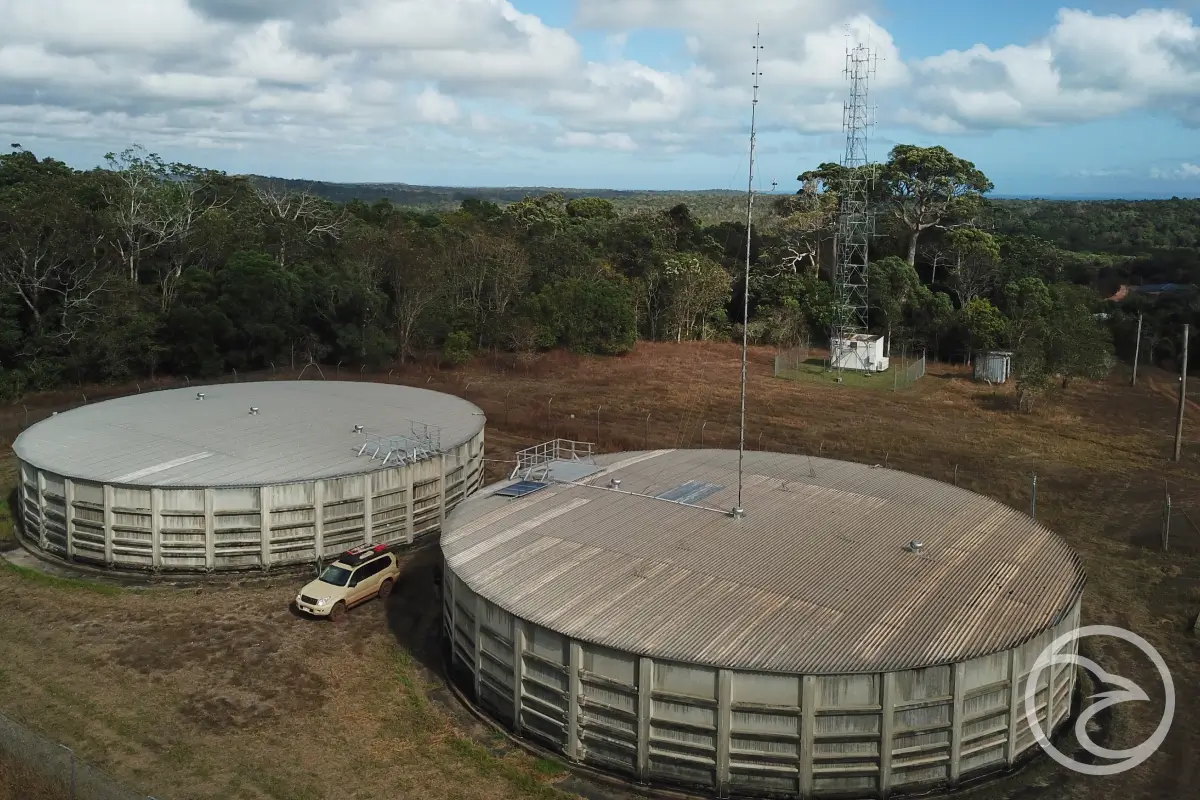
Industrial water demand is rarely consistent. Across manufacturing, energy, mining, and processing sites, water usage fluctuates based on production schedules, seasonal activity, and operational priorities. These variations make industrial water demand variability a defining challenge for reliable site operation. Water storage systems play a central role in managing this variability by providing balance, flexibility, and operational continuity.
Understanding Industrial Demand Variability
Unlike domestic water use, industrial demand often changes rapidly. Production cycles, batch processing, shutdown periods, and peak operational windows all influence water consumption patterns. Demand may remain low for extended periods and then increase sharply within short timeframes.
This variability is not a sign of inefficiency. It reflects the reality of industrial operations, where water use is closely tied to process requirements rather than steady consumption. Managing these shifts requires systems that can absorb change without disrupting operations.
Water Storage as a Demand Buffer
Water storage systems act as buffers between supply and consumption. Instead of relying solely on real-time supply to meet fluctuating demand, storage allows water to be accumulated during lower-use periods and released when demand increases.
This buffering effect reduces dependence on instantaneous supply capacity. Storage absorbs short-term demand spikes and smooths out consumption patterns, helping industrial sites maintain stable operation even when usage varies significantly.
Supporting Operational Continuity
Operational continuity depends on the ability to meet water demand without interruption. In industrial settings, even short supply inconsistencies can affect production efficiency, safety systems, or process stability.
Water storage provides a reserve that supports continuity during periods of increased demand or temporary supply constraints. By decoupling demand from immediate supply availability, storage systems help maintain consistent operational conditions across variable usage scenarios.
Managing Peak Demand without Oversizing Supply
Without storage, industrial systems would need to be designed to meet maximum possible demand at all times. This approach often leads to oversized supply infrastructure that remains underutilized during normal operation.
Water storage offers an alternative. Instead of expanding supply capacity to match peak demand, storage systems allow sites to manage peaks through controlled release. This reduces the need for excessive supply capacity while still supporting high-demand periods.
Flexibility Across Changing Operating Conditions
Industrial sites rarely operate under fixed conditions. Changes in production output, process modifications, or expansion projects can alter water demand profiles over time. Water storage systems provide flexibility by adapting to these changes without requiring immediate infrastructure adjustments.
Storage capacity can accommodate evolving demand patterns, allowing systems to remain effective even as operational requirements shift. This adaptability is essential for long-term site planning and resource management.
Enhancing System Stability
Industrial water demand variability can introduce instability if not properly managed. Rapid changes in consumption can affect pressure, flow consistency, and system responsiveness. Storage systems help stabilize these factors by regulating how water is delivered to the site.
By smoothing demand fluctuations, storage supports predictable system behavior. This stability simplifies operational planning and reduces the likelihood of reactive adjustments during high-demand periods.

Storage as Part of a System-Level Strategy
Effective management of variable industrial demand requires system-level thinking. Water storage should be viewed not as a standalone asset but as an integral component of a broader water management strategy.
When integrated with supply infrastructure and operational planning, storage systems help align water availability with actual demand. This alignment supports efficient resource use and long-term system resilience.
Why Storage Remains Essential in Industrial Water Systems
Industrial water demand variability is an inherent characteristic of complex operations. Attempting to eliminate variability is unrealistic. Instead, successful systems are designed to accommodate it.
Water storage provides the flexibility, buffering, and stability needed to manage fluctuating demand without compromising operations. By supporting continuity and adaptability, storage remains a critical element in industrial water management.