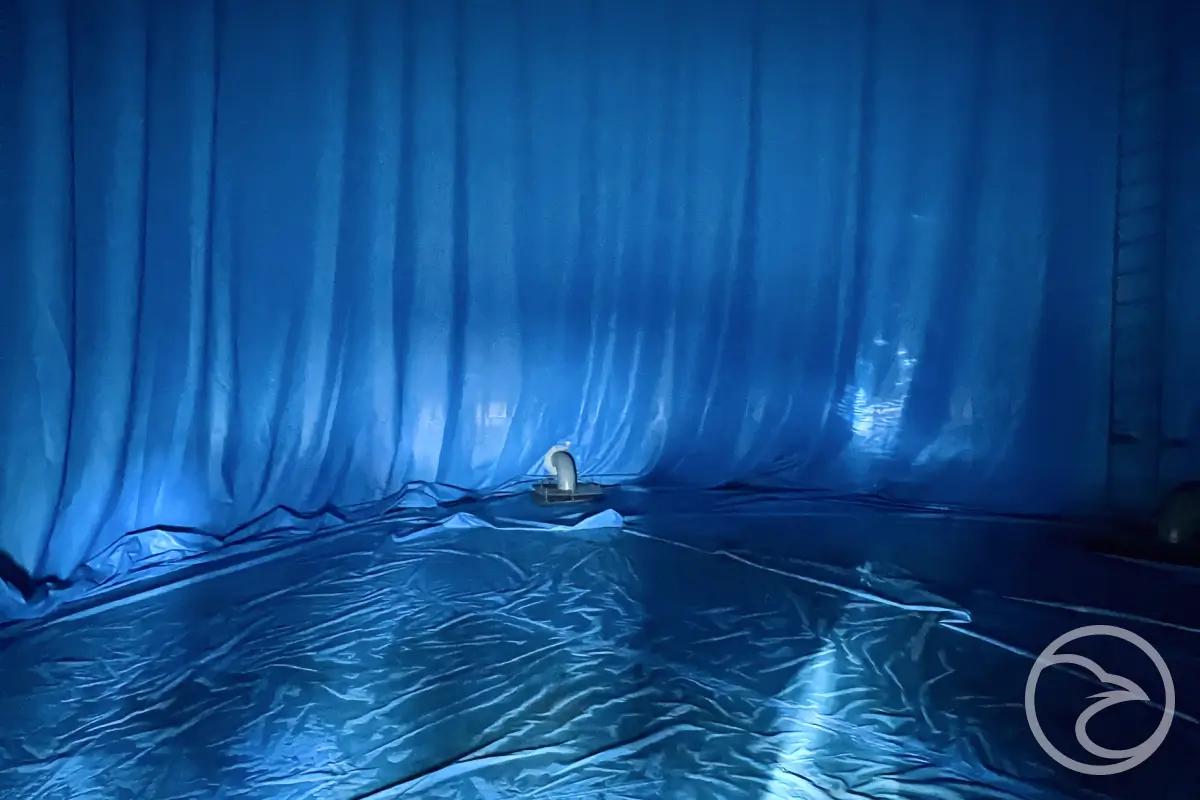
A tank liner plays a vital role in protecting water storage systems from corrosion, contamination, and structural damage. Whether the tank is used for fire protection, industrial processing, potable water, or agricultural supply, the liner acts as a barrier that preserves both the tank’s condition and water quality. Over time, however, all liners begin to degrade. Understanding signs tank liner failure helps facility managers take action before small issues develop into major system disruptions.
Early recognition of failure indicators can extend the life of the tank, prevent costly repairs, and maintain compliance with operational standards.
1. Visible Cracks, Splits, or Tears
One of the clearest signs of liner deterioration is the presence of visible physical damage. Cracks and tears may appear due to:
- UV exposure
- mechanical stress
- material fatigue
- poor installation
- temperature fluctuations
Even minor surface splits can quickly expand under hydrostatic pressure. Once the liner loses its integrity, water can penetrate behind it, allowing corrosion or structural damage to develop inside the tank.
2. Bulging or Lifting of the Liner Surface
When a liner begins to detach from the tank walls or floor, bulges appear.
This usually indicates:
- trapped water behind the liner
- adhesive breakdown
- gas formation due to microbial activity
- structural movement of the tank
Bulging is a sign that the liner is no longer properly bonded, reducing its ability to provide uniform protection. If ignored, it may lead to rapid liner failure or tank wall corrosion.
3. Discolouration or Surface Degradation
A healthy tank liner should maintain its original colour and surface consistency.
Changes in appearance often point to:
- chemical reactions
- UV damage
- biological growth
- material ageing
Common indicators include whitening, dark patches, stains, or areas where the surface appears chalky. Such degradation weakens the liner, making it more vulnerable to tearing or chemical attack.
4. Persistent Leaks or Unexplained Water Loss
If a tank begins losing water without an obvious cause, the liner may be compromised.
Leaks can occur due to:
- perforations
- seam separation
- weakened panels
- substrate corrosion behind the liner
Small leaks can be difficult to detect externally. However, unexplained water level drops are often an early warning sign that the liner is no longer providing a complete seal.
5. Sediment Increase or Contamination Issues
An unexpected rise in sediment levels or contamination can signal that the liner is deteriorating. When particles flake off a damaged liner or when water infiltrates through weakened areas, the system may experience:
- cloudy water
- increased turbidity
- altered taste or smell
- microbial growth
Such changes not only indicate signs tank liner failure but also impact water quality and downstream processes.
6. Seam Separation or Weakening
Seams are common failure points in tank liners, especially in older installations.
Separation can be caused by:
- poor bonding
- mechanical fatigue
- thermal expansion
- chemical exposure
As seams weaken, water can infiltrate behind the liner or cause peeling. Regular seam inspections help prevent sudden, widespread liner failure.
7. Wrinkles or Distortion of the Liner
Wrinkles forming at the base or along the walls may indicate:
- shifting foundation conditions
- thermal expansion
- incorrect installation
- liner stretching
Although wrinkles may seem harmless, they allow sediment and contaminants to accumulate, accelerating wear and reducing liner lifespan.
8. Corrosion Signs Beneath or Around the Liner
If corrosion begins to appear around fittings, structural components, or access points, it may mean the liner has failed to protect these areas.
Corrosion indicates that:
- moisture is trapped behind the liner
- the barrier is no longer intact
- tank metal surfaces are exposed to oxygen or chemicals
Left untreated, corrosion can compromise tank structure and lead to more serious issues. Many of these warning signs highlight the importance of ongoing system care, which helps preserve liner condition and overall tank performance.

9. Unusual Odours or Biological Growth
A failing liner may allow bacteria, algae, or fungi to establish themselves.
This is especially common if:
- the liner has micro-damage
- water is stagnating
- sediment accumulates behind folds or tears
Odours, slime, or biofilm on the liner’s surface require immediate attention to prevent system-wide contamination.
10. Age of the Liner and Material Fatigue
Most tank liners have a defined service life. Over time, natural material fatigue occurs due to:
- heat cycles
- chemical exposure
- mechanical pressure
- operational vibrations
Even if visible damage is minimal, ageing liners lose elasticity and strength. Monitoring liner age helps determine when replacement should be planned proactively.
Conclusion
A well-maintained tank liner is essential for preserving tank integrity, protecting water quality, and ensuring safe operations. Recognising signs tank liner failure early allows facilities to act before damage develops into more costly structural or operational issues.
Routine inspections, water quality monitoring, and proactive maintenance planning all play a key role in extending the life of both the liner and the tank itself.