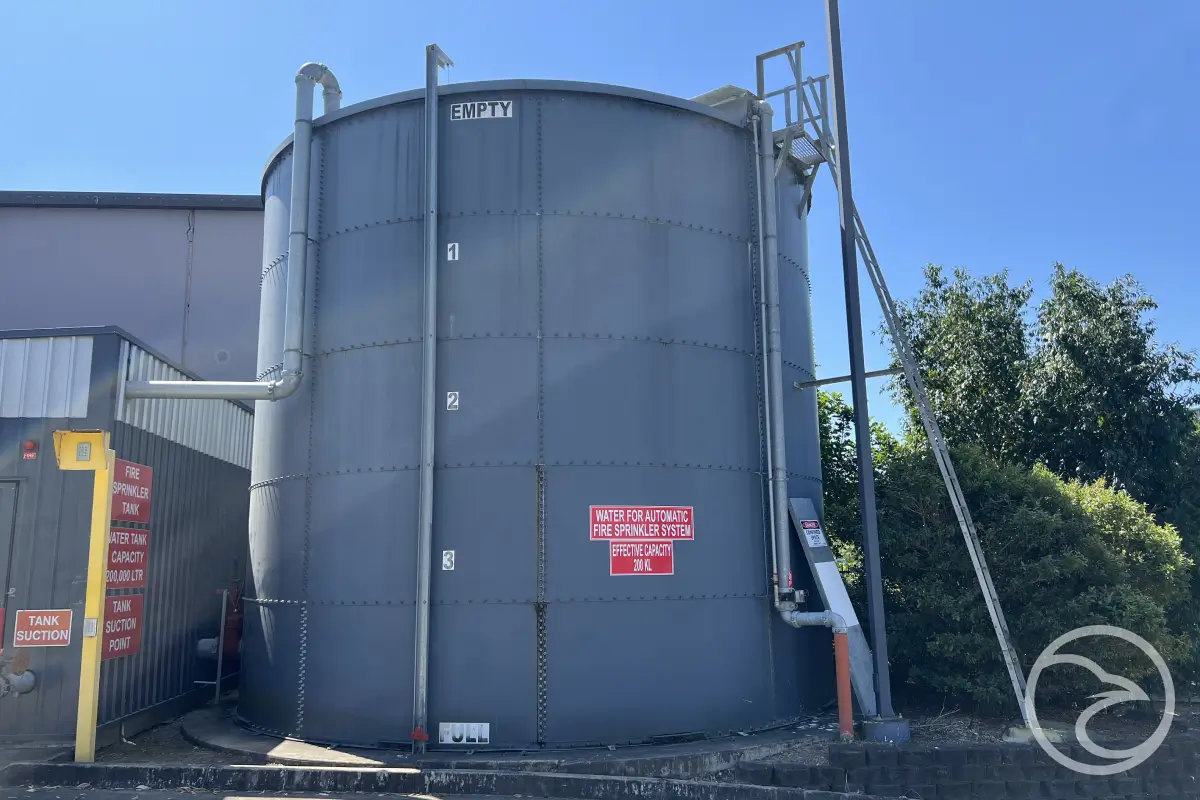
Fire tanks are designed to provide a reliable water supply during an emergency. However, like any asset, they can develop issues over time. Regular inspections help identify defects before they affect system performance. Many findings are minor when detected early but can become costly repairs if ignored.
Below are some of the most common issues identified during fire tank inspections and what they may indicate about the condition of the tank.
Corrosion
Corrosion is one of the most frequently reported inspection findings. It can affect steel tanks, internal components, pipework, and fittings. Corrosion often develops gradually and may go unnoticed between inspections.
Common signs include:
- Rust staining
- Surface deterioration
- Pitting
- Material loss
If left untreated, corrosion can weaken structural components and increase the risk of leaks.
Liner Damage
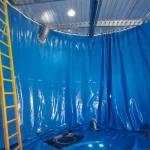
Tank liners play an important role in protecting internal surfaces from moisture and corrosion.
During inspections, assessors often identify:
- Cracking
- Blistering
- Delamination
- Peeling coatings
Even minor liner defects can expose underlying materials to moisture. For more information, see our guide on how often should fire tank liners be inspected?
Water Leaks
Water loss is another common inspection finding.
Leaks may occur around:
- Joints
- Pipe connections
- Valves
- Tank walls
- Roof penetrations
Small leaks can become larger over time and may affect available water capacity. Early detection helps reduce repair costs and prevent further deterioration.
Sediment Buildup
Sediment naturally accumulates in many fire water tanks.
Sources may include:
- Dirt
- Debris
- Rust particles
- Organic matter
Excessive sediment can affect water quality and contribute to corrosion issues. Inspection findings often help determine when tank cleaning should be scheduled.
Structural Deterioration
Over time, tanks can experience structural wear caused by age, environmental exposure, or operational conditions.
Inspectors may identify:
- Deformed panels
- Damaged supports
- Surface cracking
- Signs of movement
Structural findings should be assessed promptly to determine whether repairs are required.
Damaged Access Components
Safe access is essential for inspection and maintenance activities.
Common findings include:
- Corroded ladders
- Damaged platforms
- Worn handrails
- Restricted access points
These issues may create safety risks and make future maintenance more difficult.
Faulty Valves and Pipework
A fire tank is only one part of the overall fire protection system.
Inspectors often examine associated components such as:
- Isolation valves
- Inlet pipework
- Outlet connections
- Overflow systems
Damaged or poorly maintained components can affect system performance when water is needed most.
Inadequate Water Levels
Inspections frequently identify issues related to water storage capacity.
Potential problems include:
- Unexpected water loss
- Incorrect operating levels
- Faulty monitoring equipment
- Refill system issues
Maintaining adequate water levels is critical for emergency preparedness.
Hard-to-Access Areas
Some defects develop in locations that are difficult to inspect using traditional methods.
Examples include:
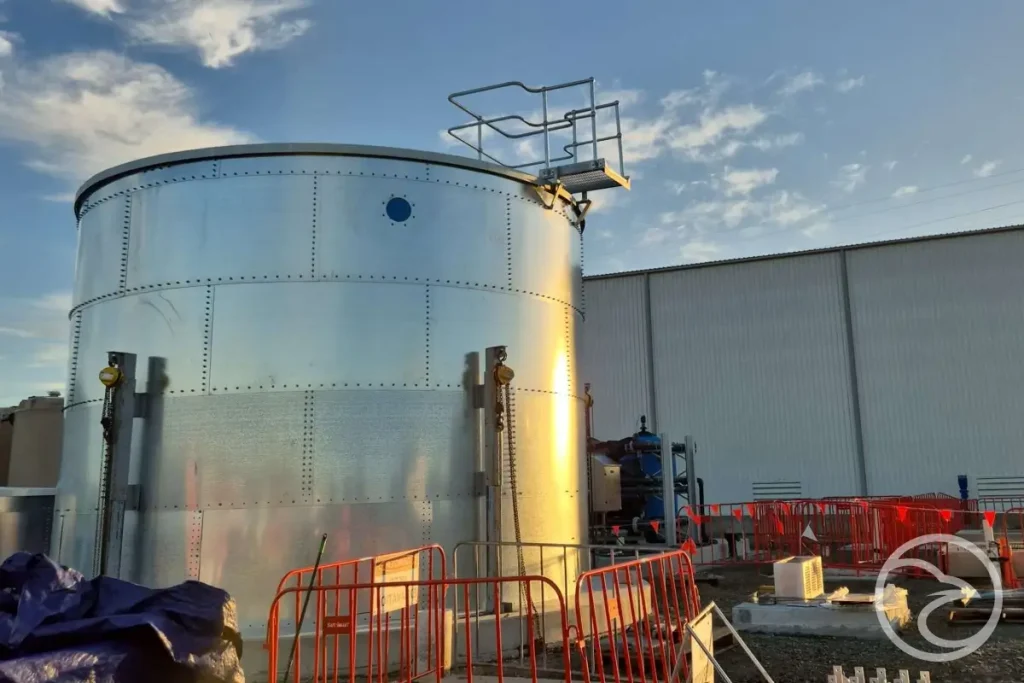
- Roof structures
- Elevated tanks
- Internal surfaces
- Confined spaces
Many facilities now use drone technology to improve visibility and reduce safety risks. Learn more in traditional vs drone fire tank inspection.
Why Inspection Findings Matter
Inspection findings provide valuable information about the condition of a fire tank and its components.
Addressing issues early can help:
- Reduce repair costs
- Improve reliability
- Extend asset life
- Support compliance requirements
- Minimize operational risks
A structured inspection program helps facilities identify developing problems before they become significant failures. Using a detailed fire tank inspection checklist can also help ensure important inspection items are not overlooked.
Conclusion
Fire tank inspections often reveal issues such as corrosion, liner damage, leaks, sediment buildup, and structural deterioration. While many findings begin as minor defects, they can lead to larger maintenance challenges if ignored.
Understanding common inspection findings helps facility owners make informed maintenance decisions and keep fire protection systems operating reliably.