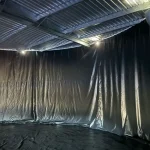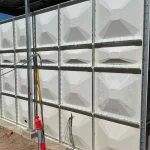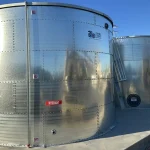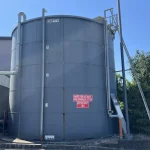
Water storage tanks are designed to provide reliable service over many years. However, tank components can gradually deteriorate as they age. Corrosion, coating failure, leaks, damaged liners, and structural movement can develop over time.
The rate of deterioration is not the same for every tank. Tank material, operating conditions, water characteristics, environment, and maintenance history can all affect aging. Previous repairs and installation quality can also influence long-term condition.
An older tank does not automatically need replacement. Its current condition is usually more important than its age alone.
Understanding common aging problems helps tank owners plan inspections, maintenance, repairs, and future asset management.
Why do Water Storage Tanks Deteriorate with Age?
Water storage tanks experience continuous operating and environmental stresses. Stored water creates constant loads on tank walls and supporting structures. Tank components may also experience movement as water levels change.
External weather conditions can affect exposed surfaces. Temperature changes, moisture, and environmental contaminants can contribute to material deterioration. Internal conditions can also affect tank components.
Protective coatings, seals, liners, joints, and fasteners can gradually lose their original performance. Some deterioration develops slowly and remains difficult to notice. Other problems become visible through leaks, corrosion, deformation, or damaged surfaces.
Maintenance history can significantly influence how these problems develop. Early defects that remain untreated may become more extensive over time.
For this reason, aging should be considered as an ongoing process rather than a single point in time.
1. Corrosion and Metal Loss
Corrosion is a common concern in aging steel water storage tanks. It can develop internally or externally depending on tank conditions. Early corrosion may appear as minor rust or surface discolouration.
Over time, corrosion can become more localised or widespread. Pitting is particularly important because it creates concentrated areas of material loss.
Corrosion can also develop around:
- joints;
- fasteners;
- fittings;
- penetrations;
- tank bases;
- roof components;
- damaged coating areas.
External corrosion may result from prolonged moisture exposure or deteriorated protective systems. Internal corrosion can develop where steel surfaces become exposed to stored water.
Visible rust does not automatically mean a tank has lost structural integrity. However, corrosion should be assessed to determine its extent and significance. Repeated corrosion in the same area can indicate an unresolved underlying condition.
2. Protective Coating Deterioration
Protective coatings help separate susceptible tank surfaces from water and environmental exposure. These coatings do not necessarily remain unchanged throughout the tank’s entire service life. Ageing, physical damage, moisture, and operating conditions can affect coating performance.
Common signs of deterioration include:
- peeling;
- blistering;
- cracking;
- flaking;
- discolouration;
- exposed substrate;
- rust around damaged areas.
Coating deterioration can gradually expose underlying steel. Once exposed, the surface can become more vulnerable to corrosion.
This creates a common progression:
Coating deterioration → exposed surface → corrosion risk → possible repair requirement
Local coating damage may require a different response from widespread coating failure. The condition of surrounding areas should therefore be considered during assessment.
Simply covering visible corrosion without addressing failed coating areas may provide limited long-term value.
3. Tank Liner Deterioration
Some water storage tanks use internal liners to provide a water containment barrier. Liners can also experience deterioration as tanks age. The actual rate depends on liner material, installation, tank condition, and operating environment.
Possible signs of an aging liner include tears or punctures. Seams may also begin to deteriorate. Wrinkles, movement, or unusual changes in liner position can require investigation.
Problems can develop around outlets and other penetrations. Aging liner materials may also experience changes in flexibility or physical condition. However, not every visible change means complete liner replacement is required.
Localised damage may sometimes be repairable. Widespread deterioration can require a broader assessment. The underlying tank should also be inspected when liner problems are identified.
Structural defects or sharp surfaces can contribute to liner damage.
4. Leaks and Loss of Watertightness
Leaks are among the clearest signs of a developing tank problem. They can become more common as tank components age. A leak does not always originate from the main tank wall.
Potential sources include:
- deteriorated seals;
- damaged joints;
- fittings;
- liner defects;
- corrosion;
- cracks;
- penetrations;
- damaged connections.
Water can sometimes travel along surfaces before becoming externally visible. Therefore, the visible wet area may not identify the original leak location. Small leaks should still be investigated.
Persistent water loss can affect surrounding tank components and supporting structures. Moisture around steel components may also contribute to further corrosion.
Finding the cause is more useful than repeatedly treating the visible symptom.
5. Deteriorating Seals, Joints and Connections
A storage tank consists of more than walls and a roof. Seals, joints, fasteners, and connections also contribute to reliable water containment. These components can change as they age.
Seal materials may become less flexible or physically deteriorated. Joint movement can create additional stress. Fasteners and nearby steel components may experience corrosion.
These issues can be particularly relevant for sectional water tanks. Individual panels rely on correctly functioning joints and connections. Repeated leakage from the same joint may indicate more than simple seal deterioration.
Panel movement or alignment problems could also be involved. The surrounding structure should therefore be considered before repeated local repairs are completed.
6. Structural Deformation and Panel Movement
Tank walls and panels are designed to maintain a specific configuration under water loads. Unusual deformation can indicate a developing problem. Warning signs can include bulging, distortion, movement, or misalignment.
Several conditions can contribute to these changes. Long-term loading can affect weakened or deteriorated components. Foundation movement can alter how loads are distributed through the tank.
Damaged connections or structural supports may also contribute. Sectional tanks can experience problems where panels, stays, or connections no longer perform as intended. Structural deformation should not be diagnosed from appearance alone.
The cause and extent of movement need appropriate assessment. Repairing a visible defect without addressing its cause can allow the problem to return.
7. Foundation and Support Deterioration
The condition of an aging tank cannot be assessed only by looking at the tank shell. Foundations and supporting structures are also important. Water is heavy, creating significant loads throughout the tank’s operating life.
The foundation must continue supporting these loads correctly. Possible aging problems include settlement, cracking, deterioration, and uneven support. Steel supporting components can also experience corrosion.
Foundation movement can affect tank alignment. This movement may place additional stress on panels, joints, fittings, and connected pipework.
Leaks can make the problem worse if water repeatedly reaches supporting areas. Tank inspections should therefore consider accessible foundations and supports alongside the main tank structure.
A tank surface repair cannot correct an unresolved foundation problem.
8. Internal Sediment and Deposits
Sediment and deposits can accumulate inside water storage tanks over time. The amount depends on the water source, tank operation, and maintenance practices. Accumulation can make internal tank condition more difficult to assess.
Deposits may cover sections of the floor or other surfaces. This can reduce visibility during some inspection activities. Sediment can also collect around low points and internal components.
Its presence may indicate that cleaning or additional assessment should be considered. Sediment itself should not automatically be treated as evidence of structural tank failure. However, long-term accumulation forms part of the tank’s overall condition.
Older tanks with limited maintenance history may require closer internal assessment.
9. Problems Around Fittings and Penetrations
Tank fittings and penetrations create important connection points within the storage system. These areas can experience deterioration as the tank ages. Outlets, inlets, flanges, valves, and related connections may be affected.
Potential problems include corrosion, seal deterioration, movement, and leakage. Stress can also develop where pipework connects to the tank. Changes in alignment may place additional loads around connections.
Lined tanks require particular attention around penetrations. The liner must maintain effective containment where these components pass through the membrane. A problem around one fitting can involve several materials and components.
Assessment should therefore consider the entire connection rather than only the visible leak.
10. Previous Repairs Beginning to Deteriorate
Older water storage tanks often have a history of maintenance and repair. Those previous repairs can eventually require further attention. A repair does not necessarily remain unchanged for the rest of the tank’s service life.
Previous work may include:
- coating repairs;
- corrosion treatment;
- liner patches;
- replaced seals;
- leak repairs;
- repaired joints;
- replaced components;
- structural repairs.
These areas should form part of future inspections. Repeated failure around a previous repair can provide useful information. It may indicate continuing movement, corrosion, water exposure, or another unresolved cause.
Repair history therefore becomes increasingly valuable as a tank ages. It helps inspectors understand where previous problems occurred and whether they are developing again.
Do Different Tank Materials Age Differently?
Yes. Aging problems can vary significantly between tank materials. The operating environment and maintenance history still matter, but construction material affects deterioration patterns.
Steel Water Tanks
Corrosion is one of the main concerns for aging steel tanks. Protective coating condition becomes particularly important.
Steel tanks can also experience problems around welds, joints, fittings, fasteners, and structural components. Areas exposed to persistent moisture may require closer attention.
The condition of steel supports should also be considered.
GRP Water Tanks
GRP does not experience steel corrosion, but GRP tanks can develop other aging problems. Seals and joints may deteriorate. Panels can experience surface damage, cracking, or deformation under unsuitable conditions.
Fittings and connections can also require attention. The supporting structure remains important for long-term performance.
Aging GRP tanks should therefore still receive regular condition assessments.
Concrete Water Tanks
Concrete tanks can experience cracking, movement, and surface deterioration. Waterproofing or lining systems can also deteriorate. Some cracks may be relatively minor.
Others can be associated with movement or water leakage. The cause and condition should therefore be assessed before selecting a repair method.
Concrete tank aging can also affect joints, penetrations, and surrounding structural areas.
What are the Early Warning Signs of an Aging Tank Problem?
Aging tank problems often begin with relatively small changes. Recognising these changes can support earlier investigation.
Common warning signs include:
- new rust or corrosion;
- water staining;
- unexplained moisture;
- small leaks;
- peeling or blistering coatings;
- damaged seals;
- liner changes;
- unusual panel movement;
- bulging or distortion;
- foundation cracks;
- deterioration around fittings;
- recurring problems around previous repairs.
One warning sign does not always indicate serious structural deterioration. However, changes should be recorded and assessed where appropriate.
A developing trend can be more informative than one isolated observation. For example, a small corrosion area that continues expanding requires different attention from stable surface staining.
Does an Old Water Tank Automatically need Replacement?
No. Tank age alone does not determine whether replacement is required. Two tanks installed during the same year can have very different conditions. One may have received regular maintenance and timely repairs.
The other may have experienced prolonged corrosion, leaks, or unsuitable operating conditions. Current condition is therefore more useful than chronological age alone.
Several factors can influence the repair or replacement decision:
- structural condition;
- extent of corrosion;
- liner or coating condition;
- recurring leaks;
- foundation condition;
- repair history;
- component availability;
- intended future use;
- changing site requirements.
An older tank with localised defects may remain suitable for repair. Widespread deterioration can create a different situation.
The decision should follow condition assessment rather than an assumed maximum tank age.
How are Aging Water Storage Tanks Assessed?
Assessment helps determine how aging has affected the complete tank system. The process can include an external inspection of accessible areas. Visible surfaces may be checked for corrosion, leaks, coating failure, and deformation.
Foundations and supports can also provide important information. Internal inspection may be appropriate depending on tank type and operating conditions.
It can provide information about internal surfaces, liners, coatings, and structural components.
An assessment may consider:
- internal and external corrosion;
- tank wall or panel condition;
- coating condition;
- liner condition;
- seals and joints;
- fittings and penetrations;
- structural components;
- foundations and supports;
- signs of leakage;
- sediment and deposits;
- previous repair areas.
Inspection findings can then support maintenance and repair planning. They also provide a record for comparison during future assessments.
Repair, Refurbishment or Replacement?
Aging tank problems do not have one universal solution. The appropriate response depends on the extent and nature of deterioration.
Repair
Repair usually addresses a specific defect. Examples include a local leak, damaged seal, small liner defect, or limited corrosion area.
Repair may be appropriate when the wider tank remains in suitable condition. Professional tank repair can address localised leaks, corrosion, damaged seals, and other defects in suitable aging tanks.
Refurbishment
Refurbishment generally involves a broader scope of work. An aging tank may have several deteriorated components requiring attention at the same time.
Work could include coating restoration, seal replacement, liner work, corrosion treatment, or component repairs. Refurbishment can therefore address several age-related problems as one planned project.
Professional tank refurbishment can address multiple areas of deterioration and help extend the service life of suitable aging tanks.
Replacement
Replacement may become appropriate when deterioration is widespread or major structural problems exist. Repeated failures can also influence the decision.
Future site requirements should be considered. An existing tank may no longer suit planned capacity, configuration, or operational requirements.
The choice should consider both current condition and future use.
Why Preventive Maintenance Becomes more Important as Tanks Age
Maintenance cannot stop materials from aging. However, it can help manage deterioration more effectively. Older tanks may contain components with different ages and repair histories.
Some original components may remain in service. Others may have been repaired or replaced at different times. Regular maintenance helps track these changing conditions.
It can identify smaller defects before they become more extensive. For example, local coating damage may be addressed before significant corrosion develops. Minor seal problems can also be identified before leakage increases.
Maintenance records become particularly useful for older assets. They create a history of known problems, completed repairs, and changing conditions.
This information can improve future planning.
Why Inspection History Matters for Aging Tanks
A single inspection provides information about tank condition at one point in time. An inspection history can provide something more valuable: a trend. Condition changes can be compared across several inspections.
This can show whether corrosion is stable or progressing. Recurring leaks can also become easier to identify. Previous repair areas can be monitored for further deterioration.
Changes in foundations, coatings, liners, or structural components can be tracked. This information helps distinguish isolated defects from continuing problems. It can also support decisions about future maintenance, refurbishment, and replacement.
Good records become increasingly valuable as a storage tank ages. They provide context that cannot always be obtained from one visual assessment.
Final Considerations for Aging Water Storage Tanks
Aging affects every water storage tank differently. Tank material, environment, water conditions, installation, and maintenance history all influence deterioration. Common problems include corrosion, coating failure, leaks, liner deterioration, and damaged seals.
Structural movement and foundation problems can also become important over time. Previous repairs may eventually require further attention. For this reason, chronological age should not be used alone to judge tank condition.
An older tank is not automatically unsuitable for continued service. Likewise, serious deterioration should not be ignored simply because a tank has not reached an expected service age. Regular inspections provide information about current condition.
Inspection history can show how that condition is changing over time. Maintenance can then address developing issues and support planned repairs. Where deterioration becomes more extensive, refurbishment or replacement may need consideration.
Age alone does not determine whether a water storage tank remains suitable for service. Its actual condition does.