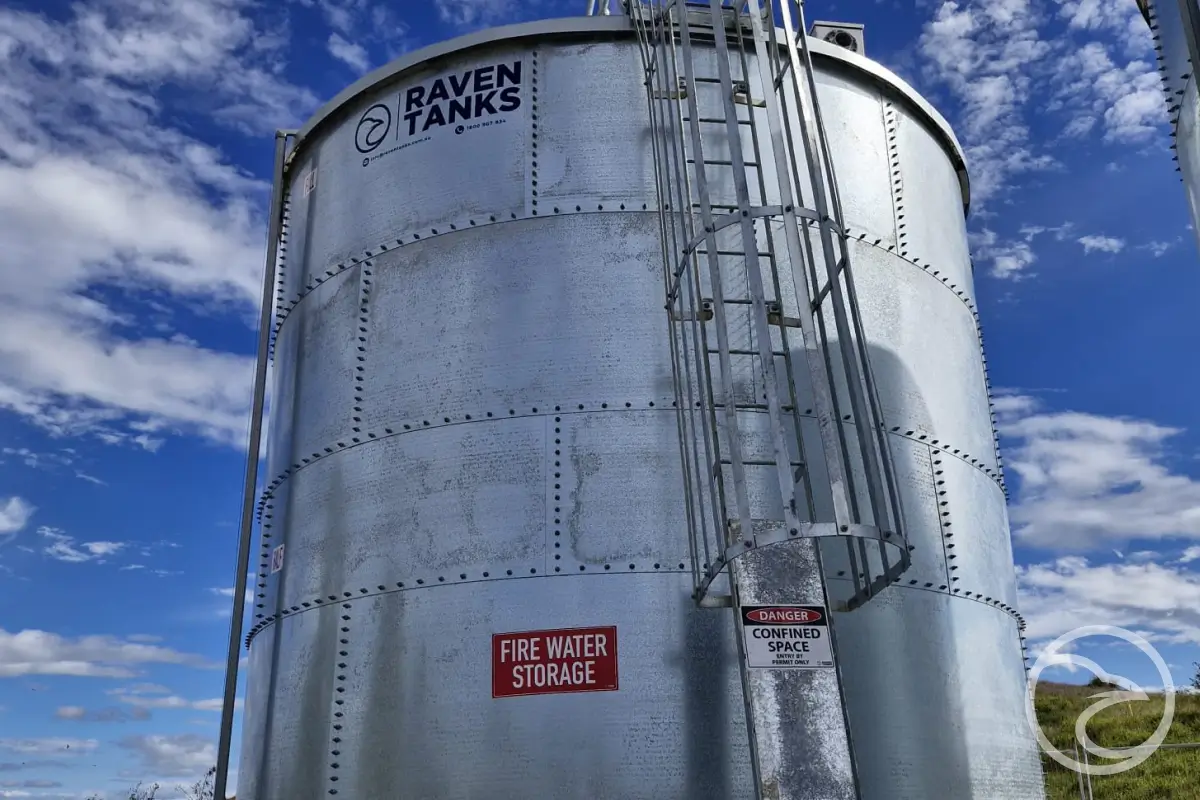
Galvanized water tanks are known for their strength, durability, and resistance to corrosion. However, they do not last forever. A galvanized water tank can often last between 20 and 50 years. Some tanks may remain usable for even longer.
The actual lifespan depends on the environment, water quality, zinc coating, construction, and maintenance. Two identical tanks can therefore have very different service lives.
One may remain in good condition for decades. Another may develop corrosion much sooner. Understanding these differences helps explain how galvanized tanks age and what eventually causes them to deteriorate.
This guide explores how long galvanized water tanks last and which factors influence their lifespan. It also explains the warning signs that indicate an ageing tank.
What is a Galvanized Water Tank?
A galvanized water tank is usually made from steel protected by a layer of zinc. The zinc coating creates a barrier between the steel and its surrounding environment. This process is known as galvanizing.
Zinc provides important protection because bare steel reacts with moisture and oxygen. That reaction eventually produces rust. The zinc coating slows this process and protects the steel underneath.
This principle is used across many water storage products. Examples include large water tanks, galvanized troughs, stock tanks, and some smaller storage vessels.
The coating does more than simply cover the steel. Zinc can also provide sacrificial protection when small areas of steel become exposed. The zinc corrodes preferentially before the underlying steel.
However, this protective layer is gradually consumed over time. The condition of the zinc therefore plays an important role in tank lifespan.
For long-term water storage, hot-dipped galvanised tanks provide a durable solution with strong corrosion protection for demanding Australian conditions.
How Long Does a Galvanized Water Tank Last?
A well-made galvanized water tank may provide around 20 to 50 years of service. This range should be treated as a general estimate rather than a fixed lifespan. Some tanks deteriorate earlier because they operate in aggressive conditions.
Others can remain functional beyond 50 years under favourable conditions. Tank age alone does not determine its remaining life.
A younger tank exposed to corrosive conditions may deteriorate faster than an older protected tank. Several variables influence the result.
These include:
- thickness and quality of the zinc coating;
- water chemistry;
- exposure to salt or chemicals;
- local climate;
- tank design;
- drainage around the tank;
- condition of joints and fasteners;
- frequency of maintenance;
- physical damage to protective surfaces;
- sediment accumulation.
The combination of these factors determines how quickly the protective zinc layer is consumed.
How Long do Steel Water Tanks Last?
People researching galvanized tanks often ask, “how long do steel water tanks last?” There is no single answer because steel tanks use different protection systems. Bare steel can corrode quickly when repeatedly exposed to water and oxygen.
Protected steel can last much longer. Galvanizing is one method used to extend steel life.
Other tanks may use protective coatings, liners, paint systems, or combinations of these methods. A steel tank’s lifespan therefore depends heavily on its corrosion protection.
Its operating environment matters just as much. A properly protected steel tank can provide several decades of service.
Poor conditions can substantially shorten that period. This is why tank material should never be considered in isolation. The entire storage environment affects durability.
Why does Galvanizing Extend Tank Life?
Steel is strong but naturally vulnerable to corrosion. Galvanizing adds zinc to the steel surface. This creates two forms of protection.
First, the zinc acts as a physical barrier. It reduces direct contact between the steel, water, oxygen, and other corrosive substances. Second, zinc offers sacrificial protection.
When a small scratch exposes steel, nearby zinc can still help protect the damaged area. This property gives galvanized steel an advantage over simple surface coatings.
However, zinc protection has limits. The coating becomes thinner as it reacts with its environment. Once enough zinc disappears, the underlying steel becomes increasingly vulnerable.
The speed of this process depends heavily on surrounding conditions.
Follow this galvanized water tank maintenance guide to manage corrosion, sediment, drainage and other factors affecting long-term tank condition.
What Determines the Lifespan of a Galvanized Water Tank?
Several factors can extend or shorten tank life. Some relate to the tank itself. Others come from water quality or the surrounding environment.
1. Zinc Coating Thickness
The zinc layer is the main defence against corrosion. A thicker, properly applied coating generally provides protection for longer. However, coating thickness alone does not guarantee a specific lifespan.
Exposure conditions determine how quickly zinc is consumed. Damage during transport, construction, or later use can also reduce protection. Scratches and worn areas may create vulnerable points.
These areas deserve attention as the tank ages.
2. Water Quality
The stored water directly contacts internal tank surfaces. Its chemistry can therefore influence corrosion. Acidity, alkalinity, dissolved minerals, salts, and contaminants can all affect metal surfaces.
Very acidic or aggressive water may accelerate deterioration. High salt concentrations can also increase corrosion risk. Water chemistry may also change over time.
A tank that performed well under one water source may behave differently after conditions change. For this reason, tank lifespan cannot be predicted using age alone.
3. Coastal Environments
Coastal locations can create challenging conditions for galvanized steel. Airborne salt may settle on exposed surfaces. Moisture then creates an electrolyte that can encourage corrosion.
The effect varies with distance from the coast and local exposure. Wind direction and shelter also matter.
A tank close to saltwater may therefore age differently from an inland tank. External surfaces, roof areas, fittings, and exposed edges can be particularly important.
3. Coastal Environments
Coastal locations can create challenging conditions for galvanized steel. Airborne salt may settle on exposed surfaces.
Moisture then creates an electrolyte that can encourage corrosion. The effect varies with distance from the coast and local exposure.
Wind direction and shelter also matter. A tank close to saltwater may therefore age differently from an inland tank.
External surfaces, roof areas, fittings, and exposed edges can be particularly important.
4. Industrial Exposure
Industrial environments can contain chemicals or airborne contaminants. Some substances increase the rate of zinc deterioration.
A tank near industrial activity may face different conditions from a rural water tank. Local air quality should therefore be considered when assessing expected lifespan.
Chemical exposure may also occur through the stored water. The specific effect depends on the substance and concentration.
6. Sediment Inside the Tank
Water often carries small amounts of dirt, minerals, or organic material. These substances can gradually settle at the bottom.
A layer of sediment may create different conditions beneath the deposit. It can also make changes in the tank floor harder to observe.
Sediment accumulation does not automatically mean a tank is failing. However, it becomes another factor affecting long-term tank condition.
6. Sediment Inside the Tank
Water often carries small amounts of dirt, minerals, or organic material. These substances can gradually settle at the bottom.
A layer of sediment may create different conditions beneath the deposit. It can also make changes in the tank floor harder to observe.
Sediment accumulation does not automatically mean a tank is failing. However, it becomes another factor affecting long-term tank condition.
Does Galvanized Steel Rust?
Yes. Galvanized steel can eventually rust. The zinc coating delays corrosion rather than making steel permanently immune. New galvanized steel often has a bright metallic appearance.
Its surface changes as the zinc reacts with the atmosphere. A stable protective layer can gradually develop on the zinc surface. This natural ageing process is not necessarily a problem.
However, more aggressive conditions can consume zinc faster. Eventually, steel may become exposed. Visible red-brown rust usually indicates corrosion of the underlying steel.
That differs from normal changes in the appearance of zinc. The location and extent of corrosion are also important.
A small isolated area differs from widespread deterioration across structural surfaces.
How Water Chemistry Affects Galvanized Tanks
Water may look harmless while still containing substances that affect metals. Its pH is one important factor. Very acidic water can be more aggressive toward zinc.
Water with unusual mineral concentrations may also behave differently. Chlorides are particularly relevant in many corrosion environments. Higher chloride exposure can increase corrosion activity.
Temperature can influence chemical reactions as well. Warmer conditions may accelerate some corrosion processes.
Water treatment practices can also change tank conditions. For example, changes in chemical dosing may alter the environment inside a tank. The result is a complex relationship between steel, zinc, water, oxygen, and dissolved substances.
That complexity explains why exact lifespan predictions are difficult.
Does Tank Location Affect its Lifespan?
Location can make a substantial difference. Consider two identical galvanized water tanks. One sits in a dry inland environment with good drainage.
The other sits near the coast with frequent salt exposure. Their corrosion rates may be very different. Shade and ventilation can also influence moisture behaviour.
So can rainfall and humidity. The ground surrounding the tank matters too. Water collecting around the base can create persistent damp conditions.
Nearby irrigation may have a similar effect. Tank location should therefore be considered part of its overall environment.
How Long do Galvanized Stock Tanks Last?
A galvanized stock tank can also provide many years of service. However, its conditions are different from those of a closed water storage tank. Stock tanks are usually more exposed to weather, animals, dirt, and physical contact.
Water levels may change frequently. Leaves, soil, feed, and organic material can enter the water. These factors influence corrosion and general wear.
So, how long do galvanized stock tanks last? Many can remain useful for decades when conditions are favourable. However, there is no universal service-life figure.
Coating quality, water chemistry, environment, and physical damage remain important. A galvanized stock tank should therefore be judged by condition rather than age alone.
What About a Galvanized Water Trough?
A galvanized water trough uses the same basic corrosion-protection principle. Zinc protects the underlying steel from direct exposure. However, a galvanized water trough often operates in an open environment.
That creates additional variables. Rainwater can enter the trough. Animals may introduce dirt and organic material. Sunlight can increase water temperature.
The trough may also experience regular physical contact. These conditions can affect the protective surface. A galvanised water trough used in agricultural settings may therefore age differently from a covered storage tank.
The underside should also remain reasonably dry where possible. Standing moisture around the base can contribute to external deterioration.
How Long does a Galvanized Trough Last?
There is no fixed lifespan for every galvanized trough. Some remain serviceable for decades. Others deteriorate sooner because of harsh water, physical wear, or environmental exposure.
The most vulnerable areas may include edges, seams, bases, and damaged coating sections. Regular observation helps identify changes before they become widespread.
A trough’s age provides useful context. Its physical condition provides more meaningful information.
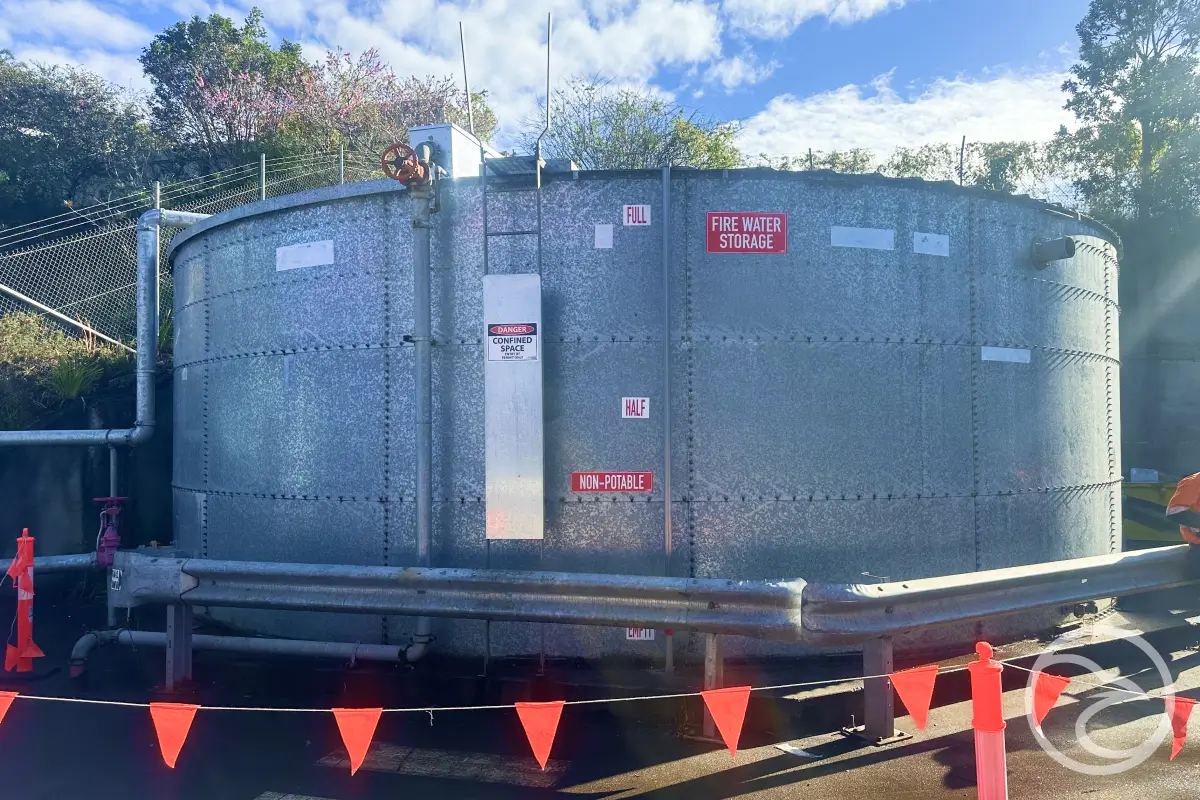
What is a Galvanized Well Tank?
The term “galvanized well tank” can describe certain tanks associated with well water systems. These tanks should not automatically be treated like large atmospheric water storage tanks. Their construction and operating conditions may differ significantly.
Some well systems use pressure tanks. These can experience pressure cycles that ordinary storage tanks do not. Water chemistry remains important because groundwater composition varies between locations.
Minerals, acidity, and dissolved substances can influence internal surfaces. Therefore, lifespan estimates should consider the specific tank type.
The phrase “galvanized” describes its protective zinc coating, not its complete operating design.
Signs a Galvanized Water Tank is Ageing
Ageing does not always mean immediate failure. Many changes develop gradually.
Common signs can include:
- visible rust;
- areas where zinc protection appears worn;
- corrosion around joints or fasteners;
- recurring damp patches;
- small leaks;
- staining below connections;
- deterioration near the tank base;
- damaged panels;
- changes around roof edges;
- unusual sediment or corrosion products.
One sign alone does not always reveal the tank’s overall condition. For example, surface staining may have several causes. However, multiple corrosion indicators can suggest more advanced deterioration.
Changes should also be considered over time. A stable mark differs from corrosion that continues to spread.
Learn about common problems affecting aging water storage tanks, including corrosion, leaks, sediment, coating damage and structural deterioration.
Why Tank Bases can Deteriorate Faster
The lower section of a water tank deserves particular attention. Gravity naturally brings water, sediment, and debris toward the bottom. External water can also collect around the base.
Poor drainage may keep this area damp for long periods. These conditions can increase corrosion risk. The tank floor may experience different conditions from upper panels.
Sediment can also hide sections of the internal surface. External vegetation may make the problem worse by trapping moisture.
Keeping the surrounding area clear helps reduce unnecessary exposure.
Can Scratches Shorten Galvanized Tank Life?
Minor surface damage does not always cause immediate rust. Zinc provides some sacrificial protection around small exposed areas. However, larger damaged sections are more vulnerable.
Repeated abrasion can gradually remove protective material. This issue can occur around fittings, access points, edges, and frequently contacted surfaces. Damage can also occur during transport or modification.
The effect depends on the size and depth of the affected area. Environmental exposure matters too. A damaged surface in a dry location may behave differently from one near saltwater.
Does White Rust Mean a Galvanized Tank is Failing?
White corrosion products can sometimes appear on galvanized surfaces. This phenomenon is commonly called white rust or wet storage stain. It differs from the red-brown rust associated with steel corrosion.
White rust involves the zinc surface. It can develop when fresh galvanized surfaces remain wet without adequate airflow. Light surface changes do not necessarily mean structural failure.
More severe zinc loss can reduce long-term protection. The extent and location therefore matter. Red rust generally deserves more attention because it can indicate exposed steel.
Can Maintenance Extend Galvanized Water Tank Life?
Appropriate maintenance can help preserve tank condition. The goal is not to stop ageing completely. Instead, maintenance helps reduce avoidable deterioration and identify developing problems.
Useful practices include:
- keeping the surrounding area well drained;
- preventing vegetation from remaining against tank walls;
- checking visible surfaces periodically;
- watching for leaks and persistent dampness;
- removing excessive debris where appropriate;
- protecting surfaces from unnecessary physical damage;
- monitoring fittings and connections;
- addressing water quality issues when relevant.
The appropriate approach depends on the tank’s design and use. Large storage tanks may require different procedures from small galvanized stock tanks.
Is an Older Galvanized Tank Automatically Unsafe?
No. Age alone does not establish whether a tank remains suitable for use. A 30-year-old tank may still be in reasonable condition. Another tank may show substantial deterioration much earlier.
Actual condition is more informative than the manufacturing date alone. The history of the tank can also provide useful context. Important information includes previous leaks, repairs, water changes, and environmental exposure.
Long periods of poor drainage may also affect condition. The same applies to major physical damage. Tank age should therefore be viewed as one part of a broader picture.
Galvanized Water Tank vs Galvanized Stock Tank Lifespan
Both products use zinc-coated steel, but their operating environments differ. A water storage tank may be enclosed and protected from direct physical contact. A stock tank is generally open and more exposed. Animals can damage surfaces. Debris can accumulate more quickly.
Water may also require frequent replenishment. A galvanized trough may experience similar conditions. For that reason, lifespan comparisons should consider use rather than material alone.
“Galvanized steel” describes the protective system. It does not mean every galvanized product will age at the same rate.
What Usually Causes Galvanized Tanks to Reach the end of Their Life?
Galvanized tanks rarely reach the end of service because of age alone. Deterioration usually develops through several interacting processes. The zinc coating gradually becomes depleted.
Exposed steel then becomes vulnerable to corrosion. Moisture may remain around certain areas. Sediment can create localised internal conditions.
Joints, fittings, or damaged sections may deteriorate faster than surrounding panels. Eventually, corrosion may cause material loss.
Leaks can then develop. Structural deterioration may become significant in advanced cases. The exact sequence varies between tanks.
This is why a simple age limit cannot describe every situation.
How Can You Estimate the Remaining Life of a Galvanized Tank?
There is no reliable formula based only on the installation year. A better estimate considers several pieces of information. Start with the tank’s age and known history.
Then consider its environment. Coastal, industrial, humid, and chemically aggressive locations may increase corrosion exposure. Water quality should also be considered.
Next, look at the condition of accessible surfaces. Widespread red rust carries different implications from normal zinc weathering.
Leaks, deformation, and material loss are also important indicators. Finally, consider whether deterioration appears stable or progressive.
A tank’s remaining life is therefore a condition-based question. It cannot be answered accurately using age alone.
How to Help a Galvanized Water Tank Last Longer
Good operating conditions can support a longer service life. Simple preventative measures often focus on moisture, damage, and cleanliness. Keep drainage around the tank working properly.
Avoid allowing soil or vegetation to remain against steel surfaces. Reduce unnecessary scratching or impact damage. Pay attention to persistent leaks around fittings.
Keep obvious debris from accumulating where practical. Consider changes in water quality when they occur. Most importantly, do not assume that galvanizing makes steel permanently corrosion-proof.
The zinc layer is protective, but it is also consumable. Preserving that protection helps preserve the steel underneath.
Final Thoughts
So, how long do galvanized water tanks last? A general lifespan of 20 to 50 years is a useful starting point. However, it should never be treated as a guaranteed expiry date.
Galvanized steel durability depends on how quickly its protective zinc layer deteriorates. Water chemistry can influence that process. Climate, salt exposure, drainage, sediment, and physical damage also matter.
The same principles apply to galvanized stock tanks and galvanized water troughs. Their operating environments may create different rates of wear.
A tank’s actual condition therefore matters more than its age alone. Good conditions can support decades of service. Aggressive environments can shorten that period considerably.
Understanding these factors provides a more useful answer than relying on a single lifespan figure.