Water quality is a critical consideration for any storage system used to hold drinking water. Whether the water is intended for commercial facilities, agricultural operations, municipal infrastructure, or residential use, storage components must be suitable for potable water applications.
Tank liners play an important role in protecting stored water and maintaining the integrity of the storage system. However, not every liner material is appropriate for drinking water storage.
For PVC tank liners, compliance with potable water requirements helps ensure that stored water remains safe for human consumption while supporting long-term system performance.
This guide explains the key factors that influence potable water suitability and what organisations should consider when selecting a PVC tank liner for drinking water storage.
What is Potable Water?
Potable water is water that is considered safe for human consumption.
This includes water used for:
- Drinking
- Food preparation
- Cooking
- Personal hygiene
- Commercial applications involving human contact
Because potable water directly affects public health, materials used in storage systems must meet strict quality and safety requirements.
Why Tank Liners Matter in Potable Water Storage
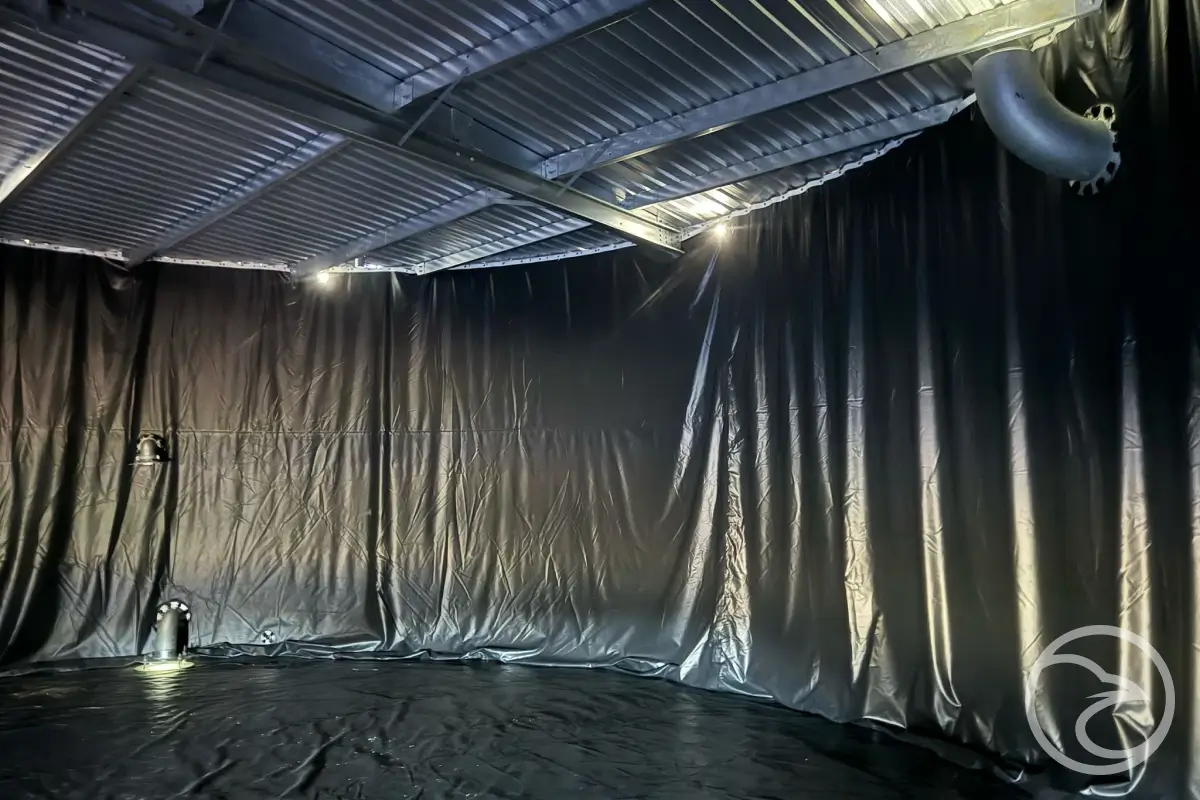
Tank liners create a protective barrier between stored water and the surrounding tank structure.
This barrier can help:
- Protect water quality
- Reduce contamination risks
- Prevent leakage
- Improve tank durability
- Support long-term storage performance
However, potable water applications require additional considerations beyond basic water storage performance.
Material Safety Requirements
One of the most important factors is material suitability. A liner intended for potable water storage should be manufactured using materials that are considered safe for contact with drinking water.
The liner should not negatively affect:
- Water taste
- Water odour
- Water appearance
- Water quality
Material quality is often assessed through testing and certification processes designed for potable water applications.
Preventing Contamination
A potable water storage system should minimise contamination risks. The tank liner plays an important role in maintaining a clean storage environment.
Potential contamination sources may include:
- Poor-quality materials
- Damaged liner surfaces
- Inadequate maintenance
- External contaminants
Selecting an appropriate liner and maintaining it properly can help reduce these risks.
Chemical Stability and Water Quality
Potable water storage systems require materials that remain stable during long-term water exposure. The liner should maintain its performance without adversely affecting water quality.
Factors that may influence performance include:
- Water chemistry
- Temperature
- Exposure duration
- Environmental conditions
High-quality PVC liners designed for potable water applications are typically manufactured to maintain stability under expected operating conditions.
Regulatory and Compliance Considerations
Potable water storage projects may be subject to various regulatory and industry requirements.
Specific requirements can vary depending on:
- Project location
- Application type
- Water authority requirements
- Industry standards
Documentation relating to potable water suitability is often an important consideration during project planning and procurement. Organisations should ensure that any liner selected for drinking water storage is appropriate for its intended use.
Installation Considerations
Even a compliant liner may not perform as intended if installation is inadequate. Proper installation helps maintain water quality and long-term system integrity.
Important considerations include:
- Surface preparation
- Joint integrity
- Seam quality
- Protection against mechanical damage
- Leak prevention
Installation should follow manufacturer recommendations and project specifications.
Inspection and Maintenance Requirements
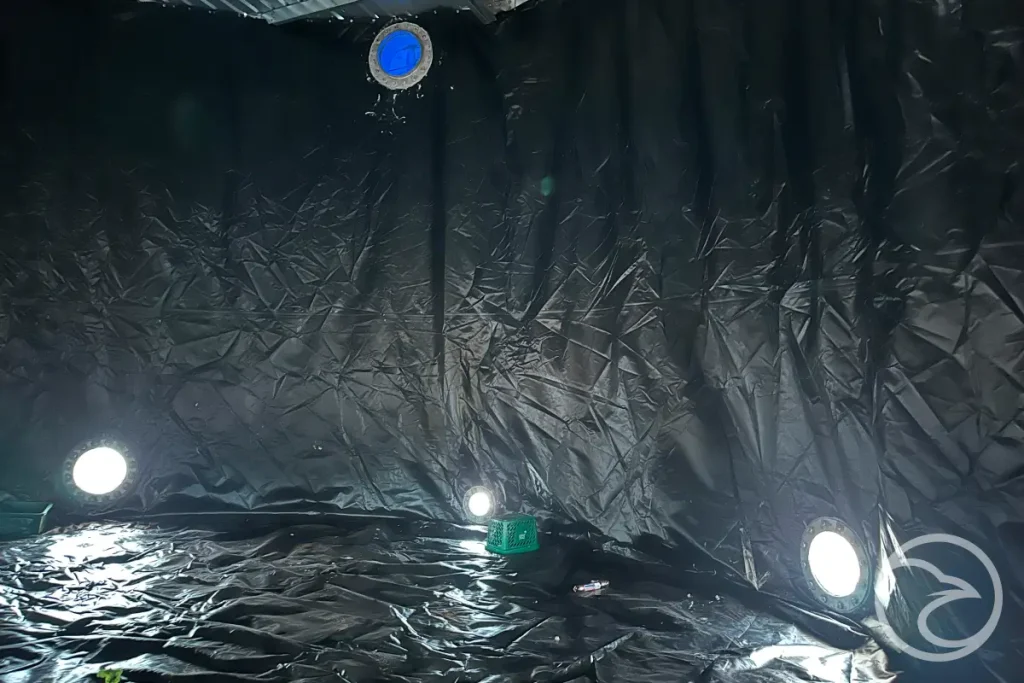
Routine inspections are important for potable water storage systems.
Regular inspections help identify issues that could affect:
- Water quality
- Liner performance
- Structural integrity
- System reliability
Inspection programs may include reviews of:
- Liner condition
- Seams and welds
- Signs of damage
- Water quality indicators
Preventive maintenance can help maximise service life while supporting potable water compliance.
Common Issues that can Affect Potable Water Storage
Several issues may influence the performance of a potable water liner system.
Examples include:
- Physical damage
- Seam deterioration
- Poor installation
- Excessive wear
- Contamination events
Early detection helps minimise operational risks and maintenance costs.
Choosing the Right PVC Tank Liner
Selecting a liner for potable water storage involves more than simply choosing a material type.
Decision-makers should evaluate:
- Intended application
- Water quality requirements
- Compliance documentation
- Installation conditions
- Long-term maintenance expectations
A properly specified liner can contribute to reliable water storage and long-term operational performance.
The Role of Inspections in Potable Water Compliance
Ongoing inspections help ensure that storage systems continue to meet operational requirements.
Inspection programs can support:
- Water quality management
- Asset protection
- Maintenance planning
- Risk reduction
Maintaining accurate inspection records can also assist with compliance and asset management objectives.
Why Potable Water Compliance Matters
Potable water systems are directly linked to public health outcomes. Using appropriate materials helps protect water quality throughout the storage process.
Benefits of selecting suitable PVC tank liners include:
- Improved water quality protection
- Reduced contamination risk
- Greater operational reliability
- Enhanced asset performance
- Longer service life
These benefits support both compliance objectives and long-term operational efficiency.
Conclusion
PVC tank liners are widely used in water storage applications because they provide a flexible and durable containment solution. However, potable water storage systems require additional consideration to ensure water quality and public safety are maintained.
Material suitability, contamination prevention, proper installation, and ongoing maintenance all contribute to potable water compliance.
By selecting a liner designed for drinking water applications and implementing regular inspection practices, organisations can support safe, reliable, and long-term potable water storage performance.