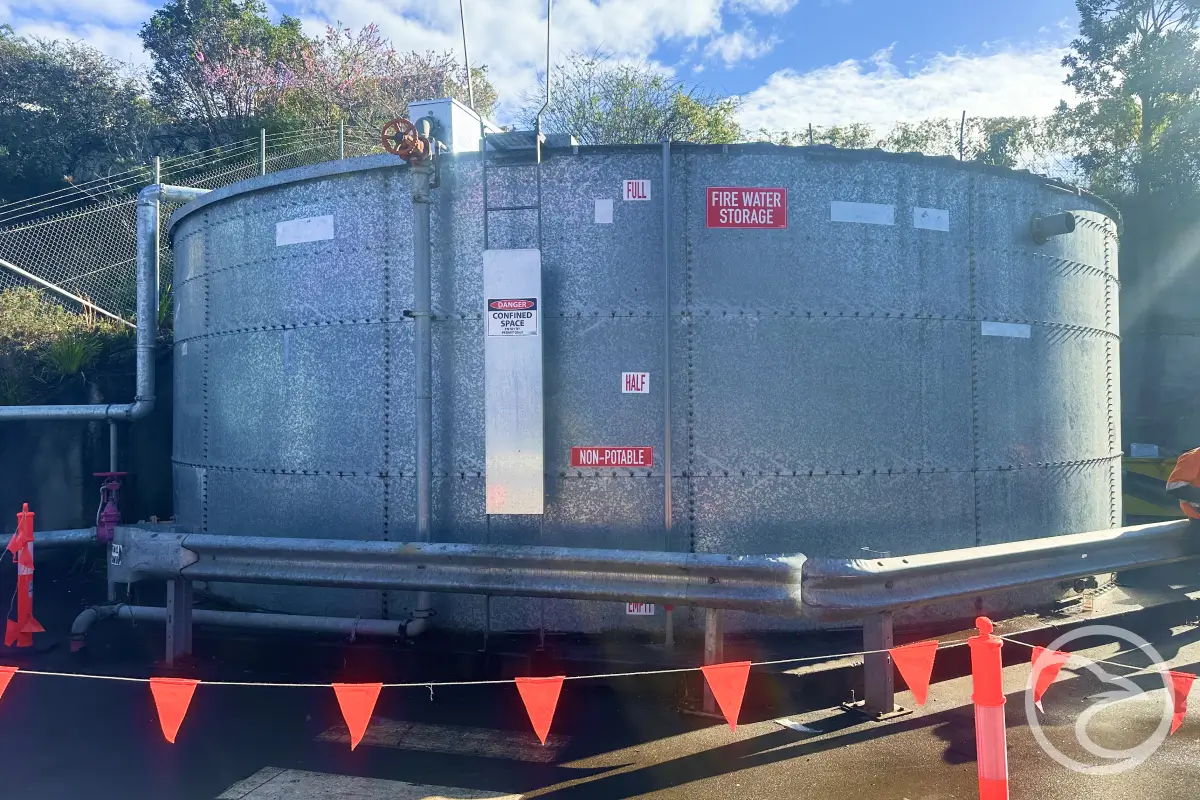
Fire water systems are essential components of fire protection infrastructure in industrial, commercial, and municipal environments. These systems provide a dedicated water reserve for emergency response, supporting sprinkler networks, hydrant systems, and firefighting operations. Because reliability is critical during emergencies, understanding the common risks in fire storage systems helps infrastructure owners maintain long-term performance and operational readiness.
Many risks develop gradually and may not be immediately visible, making awareness and preventive planning important parts of infrastructure management.
Structural Ageing and Material Deterioration
Over time, storage tanks experience natural material ageing. Environmental exposure, temperature fluctuations, and moisture can affect structural components, protective coatings, and tank surfaces. Corrosion, fatigue, or coating degradation may reduce structural resilience if not monitored over the long term.
Material choice also influences risk levels. Steel, concrete, and composite tanks each respond differently to environmental stress, chemical exposure, and operational demands. Understanding these differences helps anticipate maintenance needs.
Water Quality Challenges
Stored water quality can significantly affect system reliability. Sediment accumulation, biological growth, and chemical contaminants may alter water conditions over time. While these changes may not immediately compromise firefighting capability, they can influence equipment performance and infrastructure durability.
Maintaining water quality awareness supports overall system reliability and helps reduce unexpected operational complications.
Environmental Exposure Factors
Fire storage systems often operate outdoors or in exposed environments. Weather conditions, industrial pollutants, coastal salt air, and UV radiation can accelerate material wear. Extreme temperature variations may also influence structural behaviour, especially in tanks experiencing frequent expansion and contraction cycles.
Assessing environmental exposure provides valuable context for understanding how risks evolve over time.
Operational and Hydraulic Considerations
Operational factors also play a role in fire storage system performance. Changes in usage patterns, modifications to connected fire protection systems, or evolving regulatory requirements can influence tank functionality.
Hydraulic balance, flow rates, and storage capacity assumptions may shift as facilities expand or operational demands change. Infrastructure planning benefits from periodic review of these operational variables.
Visibility of Hidden Risks
Some risks remain difficult to detect without structured observation. Internal corrosion, sediment buildup, or gradual structural changes may occur without clear external indicators. For this reason, infrastructure management programs sometimes reference Fire Tank Inspections within broader asset oversight strategies, helping stakeholders better understand system condition over time.
This approach focuses on awareness rather than immediate intervention.

Long-Term Infrastructure Planning
Fire storage systems are designed for longevity, but their performance depends on continuous environmental interaction, operational demands, and material durability. Viewing these systems from a lifecycle perspective helps infrastructure managers anticipate gradual changes instead of reacting only to visible issues.
Proactive awareness may include:
- Monitoring environmental exposure trends
- Tracking structural condition over time
- Reviewing operational requirements periodically
- Documenting performance observations
Such practices help maintain infrastructure reliability while supporting safety objectives.
Exploring common evaluation approaches for fire protection storage can help clarify how infrastructure performance is monitored over time.
Supporting Fire Protection Reliability
Reliable fire water storage is a cornerstone of emergency preparedness. Understanding the common risks in fire storage systems — from structural ageing to environmental exposure — helps stakeholders maintain resilient fire protection systems.
By recognising how risks develop over time, organisations can support safer infrastructure operation, protect asset value, and ensure fire storage systems remain dependable when they are needed most.