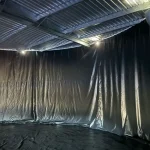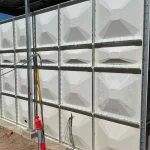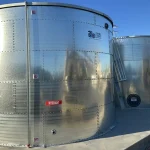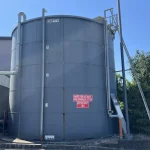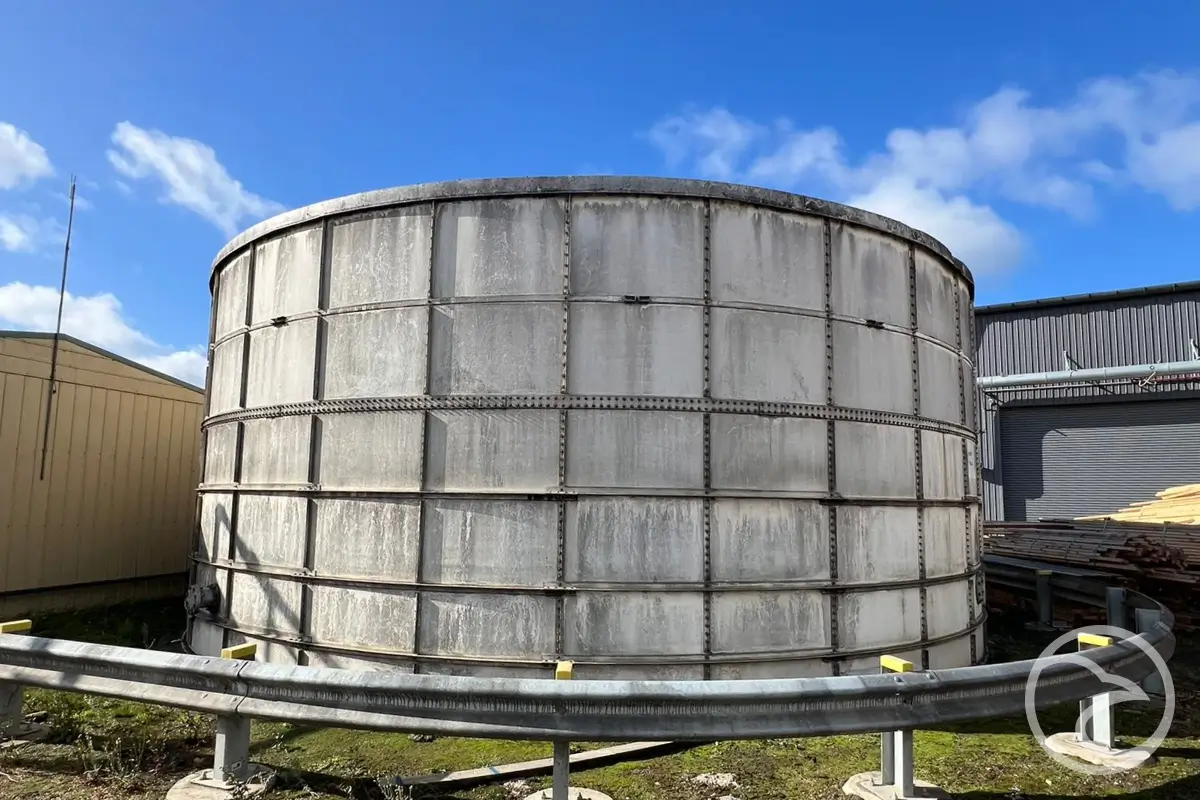
Panel-based tank systems are widely used across industrial, commercial, and municipal applications due to their modular design and installation flexibility. While these systems are engineered for long-term service, their performance characteristics evolve differently over time compared to monolithic or cast-in-place tanks. Understanding panel tank behaviour helps explain why gradual changes often occur without obvious structural failure and why performance trends can vary between similar installations.
Unlike single-structure tanks, panel-based systems consist of multiple interconnected components. Each panel, joint, and fastening point contributes to overall system behaviour, especially as operating conditions change over years of use.
Modular Construction and Long-Term Structural Behaviour
The defining feature of panel-based tanks is their modular construction. Individual panels are assembled on site and connected through bolted joints, seals, or gaskets. This design allows for scalability and transport efficiency, but it also introduces interfaces where long-term behaviour differs from monolithic systems.
Over time, small movements can occur at these connection points due to temperature variation, loading cycles, and settlement. These movements are typically within design tolerances, yet they influence how stresses are distributed across the tank structure. As a result, panel tank behaviour tends to be dynamic rather than static throughout its service life.
Joint Performance Over Extended Service Periods
Joints play a central role in how panel-based tanks respond to long-term use. Unlike continuous welded or poured structures, panel systems rely on mechanical connections that accommodate minor flexing. Seasonal expansion and contraction, combined with repeated filling and emptying cycles, gradually affect joint compression and seal behaviour.
Importantly, these changes do not necessarily indicate failure. In many cases, they represent normal performance evolution. However, because these effects occur slowly, early indicators are often subtle and easily overlooked during routine visual checks.
Material Interaction Within Panel Systems
Material choice significantly influences how panel-based tanks behave over time. Steel, galvanised steel, stainless steel, and composite materials such as GRP each respond differently to water chemistry, temperature fluctuations, and environmental exposure.
Within panel systems, material interaction becomes a system-wide consideration rather than an isolated characteristic. Panels, fasteners, coatings, and seals age together, and performance outcomes depend on how these elements interact. This explains why tanks with similar designs may demonstrate different long-term behaviour under comparable operating conditions.
Operational Cycles and Load Variation
Panel tank behaviour is also shaped by how the tank is used. Tanks subjected to frequent drawdown and refill cycles experience different stress patterns than those operating at relatively stable levels. Variable loading influences joint movement, internal pressure distribution, and surface wear.
Over time, these operational patterns contribute to gradual performance changes rather than abrupt deterioration. Because panel systems are designed to tolerate movement, performance decline tends to be progressive and non-linear.
Environmental Exposure and External Influences
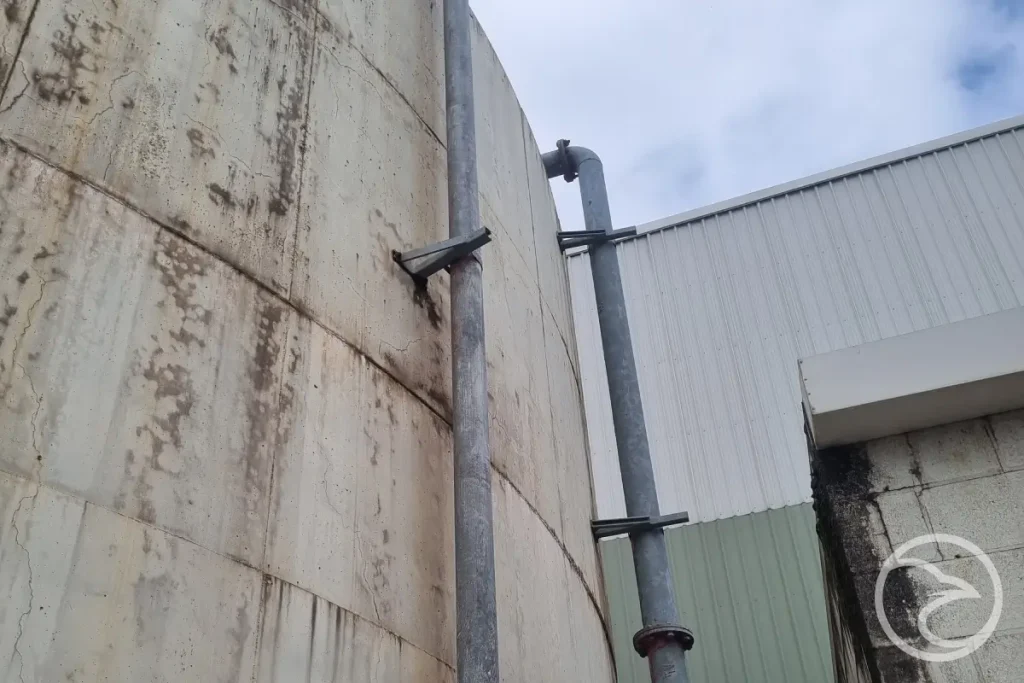
External conditions further affect long-term panel tank behaviour. Exposure to sunlight, wind loads, ground movement, and ambient temperature shifts can all influence structural response. While these factors are accounted for during design, their cumulative impact becomes more apparent over extended service periods.
For outdoor installations, environmental exposure often interacts with operational conditions, reinforcing the need to assess panel systems as evolving assets rather than static structures.
Why Performance Changes are Often Gradual
One of the defining characteristics of panel-based tank systems is that performance change typically occurs gradually. Structural integrity may remain intact while efficiency, sealing behaviour, or internal conditions slowly evolve. This is why many panel tanks continue operating reliably for decades despite showing subtle changes during inspections.
A system-wide perspective on panel tank behaviour helps asset owners understand why early indicators are easy to miss and why proactive monitoring plays a critical role in long-term reliability.
Managing Long-Term Panel Tank Performance
Effective management of panel-based tank systems focuses on understanding behaviour trends rather than reacting to isolated issues. Regular inspections, condition assessments, and awareness of material and joint behaviour over time support informed maintenance planning.
By recognising that panel-based systems behave differently by design, operators can better anticipate long-term performance changes and maintain reliable storage outcomes across the full service life of the tank.
Understanding how modular tank structures behave over time is especially relevant for modular panel tank construction, where long-term performance depends on material interaction, joint behaviour, and operational conditions.