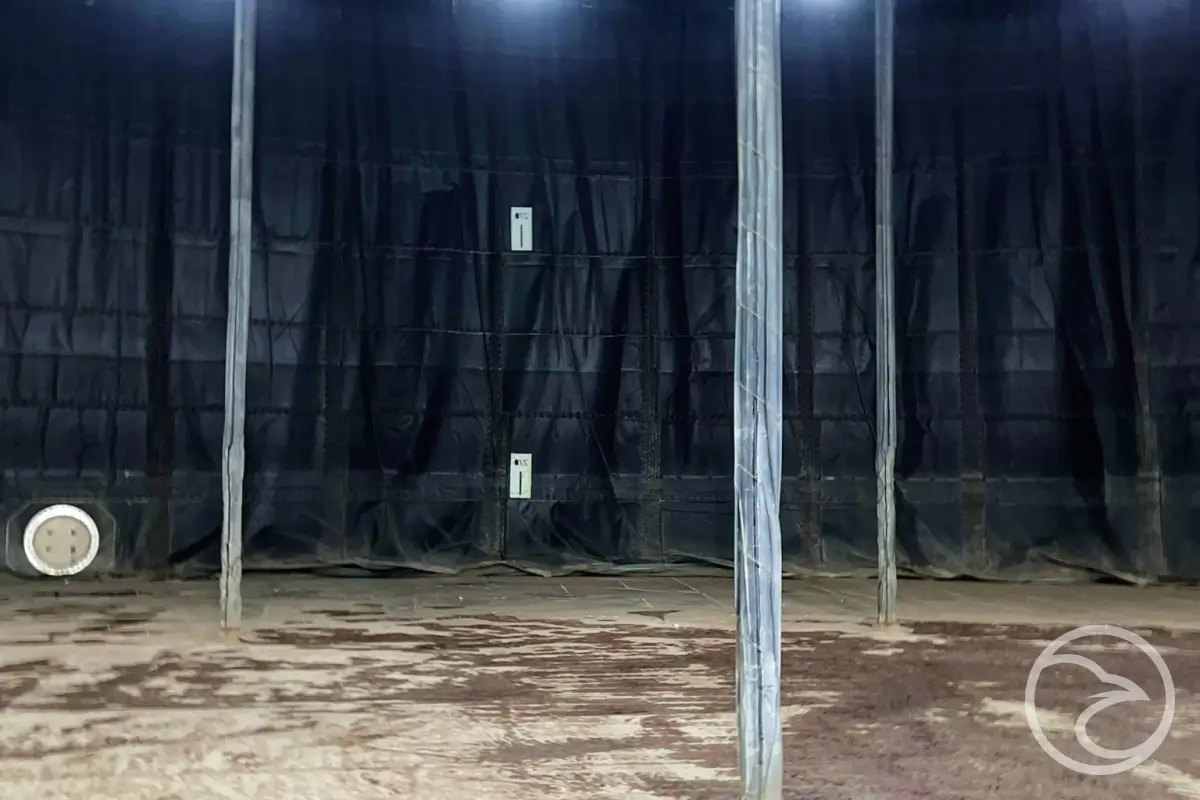
Water exposure effects on PVC are an important consideration in long-term water storage applications, particularly where materials remain submerged or in continuous contact with water for extended periods. Polyvinyl chloride (PVC) is widely used in storage environments due to its chemical stability and resistance to moisture, yet prolonged water exposure still influences how the material behaves over time. Understanding these effects helps explain why PVC performs reliably in static storage conditions.
Basic Properties of PVC in Water Environments
PVC is a thermoplastic polymer known for its low water absorption and resistance to many chemical reactions. Unlike porous materials, PVC does not readily absorb water into its structure. This characteristic limits swelling, softening, and structural weakening when the material is exposed to moisture.
In water storage environments, PVC typically maintains its shape and mechanical properties under constant immersion. However, material behaviour is influenced not only by water presence but also by temperature, water chemistry, and duration of exposure.
Long-Term Immersion and Material Stability
One of the most studied water exposure effects on PVC relates to long-term immersion. Under static water conditions, PVC generally exhibits minimal dimensional change. Its polymer chains remain stable, and the material retains flexibility and tensile strength within expected operating ranges.
Over extended periods, subtle changes may occur at the surface level. These changes are usually gradual and do not involve structural breakdown. Instead, they reflect surface interaction with water, including minor changes in texture or surface appearance, particularly in environments with limited water movement.
Influence of Water Chemistry
Water chemistry plays a significant role in water exposure effects on PVC. Variations in pH, mineral content, and dissolved substances can influence surface behaviour. Neutral or mildly alkaline water typically has minimal impact on PVC stability, while more aggressive chemical conditions may increase surface interaction rates.
Despite this, PVC remains resistant to most water-based chemical environments encountered in storage tanks. The material’s molecular structure limits chemical penetration, reducing the likelihood of internal degradation even under prolonged exposure.
Temperature and Thermal Cycling Effects
Temperature is another factor that affects how PVC responds to water exposure. In storage tanks, water temperature may fluctuate due to seasonal changes or environmental conditions. These fluctuations can influence material flexibility and elasticity.
PVC is designed to accommodate a degree of thermal movement without cracking or hardening. When combined with water exposure, temperature cycling may slightly alter surface flexibility over time, but these changes typically remain within predictable limits. Understanding this behaviour helps explain why PVC performs consistently in long-term storage environments.
Surface Interaction and Ageing Processes
Although PVC resists water absorption, prolonged contact with water can influence surface ageing. Over time, minor surface changes may occur due to continuous exposure and environmental interaction. These changes are generally cosmetic rather than structural.
Water exposure effects on PVC often become more noticeable in areas where water remains static for long periods. In such cases, surface layers may experience gradual ageing, while the core material retains its original properties. This layered ageing behaviour contributes to predictable long-term performance.
Assessing how PVC surfaces respond to prolonged immersion and changing internal conditions is an important part of understanding water storage performance, particularly within broader discussions on internal containment materials used in water storage tanks.
Mechanical Stress and Water Exposure
Mechanical stress can interact with water exposure to influence material behaviour. In storage tanks, pressure changes, filling cycles, and structural movement introduce stress that acts alongside water contact. PVC materials are selected to tolerate this combined exposure without losing integrity.
The flexibility of PVC allows it to accommodate stress without developing cracks that could propagate under water exposure. This characteristic reduces the likelihood of sudden material failure, even under prolonged operating conditions.

Long-Term Performance Implications
Overall, water exposure effects on PVC are characterised by stability rather than rapid degradation. The material’s resistance to moisture penetration, combined with predictable surface ageing, supports its suitability for long-term water storage environments.
While no material remains unchanged indefinitely, PVC demonstrates controlled and gradual response to water exposure. This predictable behaviour supports long-term performance assessments and helps explain why PVC remains a reliable material choice in water storage systems.
Interpreting Water Exposure Effects in Context
Water exposure effects on PVC should be understood within the broader context of storage environment conditions. Duration of exposure, temperature variation, and water chemistry all contribute to material behaviour over time. By recognising how these factors interact, engineers and facility managers can better interpret material ageing and long-term performance trends.
This understanding reinforces the role of PVC as a stable material in water storage environments and highlights the importance of material behaviour analysis in long-term storage planning.