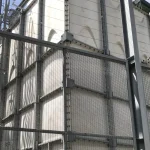
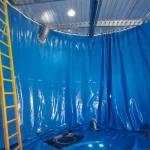
Tank liners play a critical role in protecting water storage systems from leaks, corrosion, and contamination. However, even the most durable liner will degrade over time without proper care. That’s why understanding the basics of maintenance is essential for any facility owner or operator.
In this guide, we’ll break down practical tank liner maintenance tips that help extend lifespan, reduce repair costs, and keep your system running safely.
Why Tank Liner Maintenance Matters
A well-maintained liner does more than just hold water. It acts as a barrier between stored liquid and the tank structure, preventing structural damage and contamination.
Without proper maintenance:
- small defects can quickly turn into major leaks
- bacteria and sediment may build up
- the overall lifespan of your liner can be significantly reduced
If you’re unsure about the type of liner used in your system, it’s helpful to explore different tank liners and their applications before planning maintenance.
1. Perform Regular Visual Inspections
Routine inspections are one of the simplest yet most effective ways to maintain a tank liner.
What to look for:
- cracks or surface wear
- discoloration or staining
- loose seams or joints
- signs of water leakage
Try to inspect your liner at least every 3–6 months. For high-demand systems, more frequent checks may be necessary.
2. Keep the Tank Clean
Sediment buildup can damage the liner surface over time and affect water quality.
Best practices:
- remove debris and sludge periodically
- clean with non-abrasive tools
- avoid harsh chemicals that can degrade liner materials
For potable water systems, maintaining cleanliness is especially important to ensure safety and compliance. In many cases, professional tank cleaning services ensure safe and thorough removal of sludge and contaminants without damaging the liner.
3. Monitor Water Quality
Water chemistry has a direct impact on liner durability.
Key factors to monitor:
- pH levels
- chemical exposure
- presence of contaminants
Imbalanced water conditions can accelerate wear, especially in certain materials like PVC tank liners, which require stable conditions to maintain performance.
4. Protect Against Physical Damage
Mechanical damage is one of the most common causes of liner failure.
Avoid:
- sharp tools inside the tank
- heavy equipment contact
- unnecessary foot traffic on the liner
Even small punctures can lead to larger structural issues if left unaddressed.
5. Pay Attention to Seams and Joints
Seams are often the weakest points in a tank liner system.
Check for:
- separation or lifting
- visible gaps
- early signs of wear
Catching seam issues early can prevent costly repairs or full liner replacement.
6. Understand Environmental Factors
External conditions can also impact liner performance.
Consider:
- temperature fluctuations
- UV exposure (for open or partially exposed tanks)
- moisture and humidity levels
For example, liners used in fire protection systems, such as fire tank liners, must remain reliable under varying environmental conditions and long periods of inactivity.
7. Schedule Professional Inspections when Needed
While routine checks can be done in-house, some issues require expert evaluation.
Professional inspections are recommended when:
- the liner is aging
- you notice recurring issues
- the tank is part of a critical system (e.g., fire protection)
Experts can detect hidden damage and recommend appropriate maintenance or repair solutions.
8. Address Minor Issues Early
Small problems rarely stay small.
If you notice:
- tiny leaks
- surface bubbling
- early signs of wear
fix them immediately. Preventive action is always more cost-effective than emergency repairs.
How Often Should You Maintain a Tank Liner?
Maintenance frequency depends on:
- tank usage
- water type
- environmental conditions
- liner material
General guideline:
- visual checks → every 3–6 months
- cleaning → annually or as needed
- professional inspection → every 1–2 years
Conclusion
Proper maintenance is the key to maximizing the performance and lifespan of your tank liner. By following these practical tank liner maintenance tips, you can prevent damage, maintain water quality, and avoid unexpected repair costs.
Whether you’re managing a small system or a large industrial tank, a proactive approach will always deliver better long-term results.