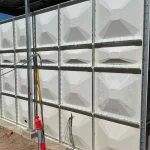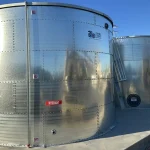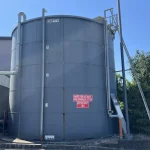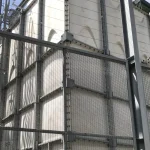
Fire protection systems depend on reliable water storage to function properly during emergencies. Fire water tanks play a critical role in supplying water for firefighting systems, hydrants, and sprinklers. If these tanks are not properly maintained, the entire fire protection system may become less effective.
Using a clear fire tank inspection checklist helps ensure that water storage tanks remain safe, functional, and ready to support emergency operations.
Why Fire Tank Inspections are Important
Fire water tanks must remain operational at all times. In many facilities, these tanks provide the primary water supply for firefighting systems.
Over time, tanks may develop structural problems, leaks, corrosion, or sediment buildup. These issues can reduce the available water volume or affect the tank’s ability to deliver water during a fire emergency.
Regular inspections help detect these problems early and ensure that the fire protection system remains reliable.
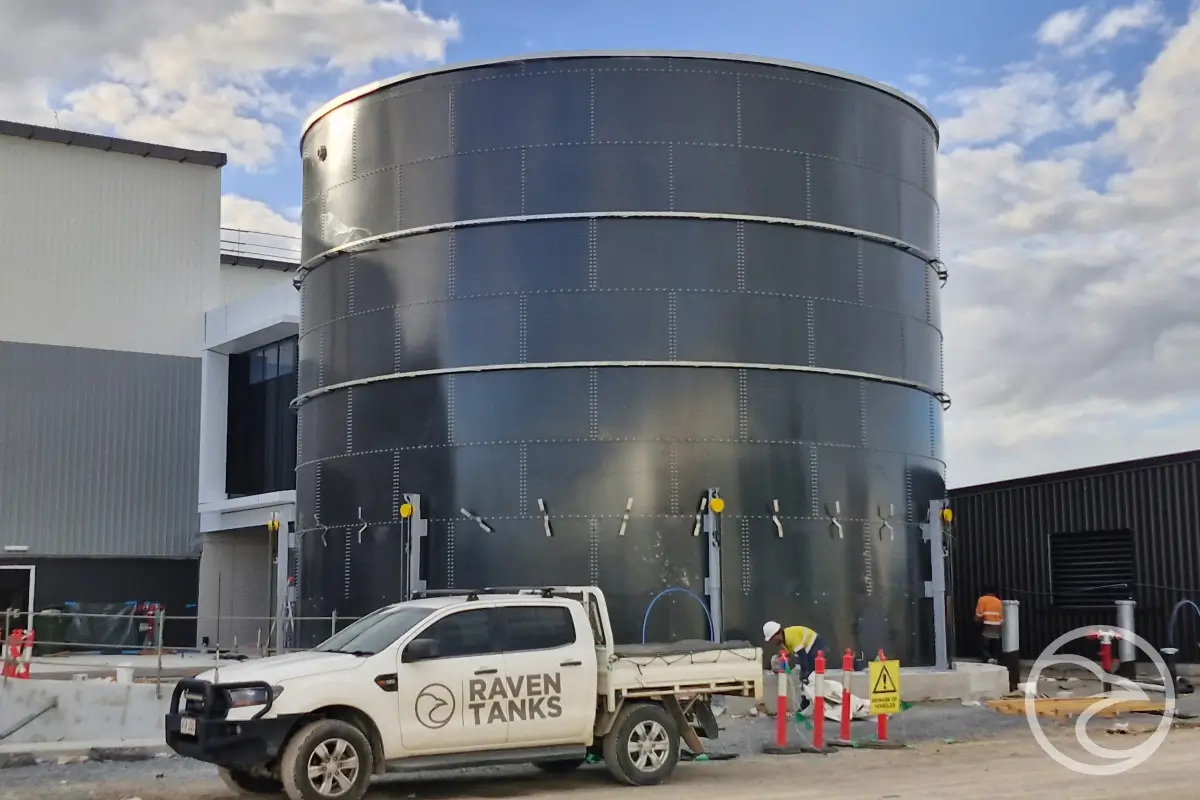
Proper inspection of fire protection water tanks helps maintain reliable emergency water supply for firefighting systems.
What a Fire Tank Inspection Checklist Includes
A fire tank inspection checklist provides a structured way to evaluate the condition of the tank and its components. Inspections typically focus on several key areas of the system.
These inspections help confirm that the tank structure, water supply, and supporting equipment are functioning correctly.
External Tank Inspection
The exterior structure of the tank should be inspected first. This helps identify visible damage or environmental factors that could affect the tank’s performance.
Inspectors typically check for:
- structural damage or deformation
- corrosion on metal surfaces
- damage to tank walls or roof
- condition of external pipes and valves
- signs of water leakage
Detecting these issues early helps prevent more serious structural problems later.
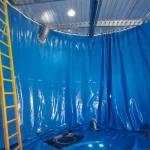
Internal Tank Inspection
The interior condition of the tank is equally important. Internal inspections evaluate the structural integrity of the tank and the quality of the stored water.
Inspectors often check for:
- corrosion or deterioration of internal surfaces
- sediment accumulation at the bottom of the tank
- damage to protective coatings or liners
- cracks in structural components
Sediment buildup is a common issue in fire water tanks. Over time, debris and mineral deposits may reduce the effective storage capacity of the tank.
Cleaning and maintenance may be required if excessive sediment is detected.
Water Level and Capacity Verification
Another critical part of the inspection process is confirming that the tank contains the required volume of water. Fire tanks must maintain sufficient water capacity to support firefighting systems during an emergency.
Inspectors usually verify:
- current water level
- operational level sensors
- proper functioning of refill systems
- overflow protection systems
Maintaining the correct water level ensures that the tank can deliver adequate water flow when needed.
Pipework and Valve Inspection
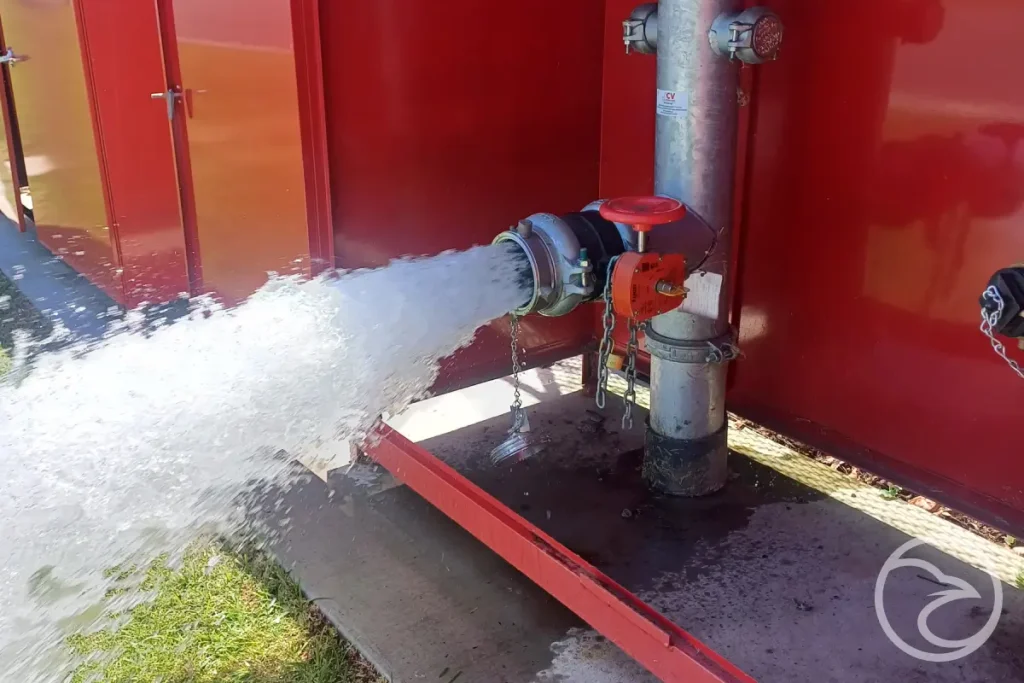
Pipes and valves connected to the fire tank play an essential role in distributing water to fire protection systems. During inspections, these components are checked to ensure that water can move freely through the system.
Common inspection checks include:
- valve functionality
- pipe condition and corrosion
- secure pipe connections
- absence of blockages
Any obstruction or malfunction in the piping system could affect water delivery during firefighting operations.
Pump and System Integration Checks
Many fire water tanks operate as part of a larger fire protection network that includes pumps and distribution systems. Inspections often include verifying that the tank works properly with the rest of the fire protection infrastructure.
This may involve checking:
- fire pump connections
- system pressure levels
- control equipment operation
- automatic activation systems
Ensuring that the tank integrates correctly with the overall system helps maintain reliable fire protection.
Common Problems Found During Inspections
Routine inspections frequently identify issues that could affect tank performance.
Some of the most common problems include:
- corrosion of steel tank surfaces
- liner damage or deterioration
- sediment buildup
- leaking connections
- malfunctioning valves or sensors
Addressing these issues early helps prevent system failure and improves the reliability of the fire protection system.
How Regular Inspections Improve Fire Safety
Regular inspections are one of the most effective ways to maintain fire protection infrastructure. By following a structured fire tank inspection checklist, facility managers can ensure that their water storage systems remain operational.
Early detection of structural issues, leaks, or equipment failures allows repairs to be made before an emergency occurs.
Scheduled fire tank inspection services support safe operation of fire protection infrastructure in industrial facilities.
Reliable fire water storage is essential for effective firefighting operations. Routine inspections help ensure that fire tanks remain ready to support fire protection systems when they are needed most.