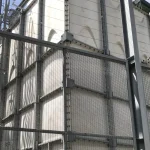
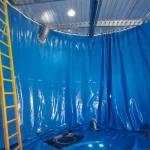
Water quality is critical for any storage system, especially when it comes to potable (drinking) water. A common question many facility owners ask is: is a tank liner safe for potable water?
The short answer is yes — but only when appropriate materials, installation practices, and compliance standards are followed. In this guide, we explain how tank liners protect water quality and what ensures their safety in drinking water systems.
How Tank Liners Protect Drinking Water
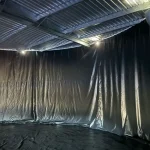
Tank liners act as a barrier between stored water and the internal tank surface. Without this protection, materials such as concrete or steel may affect water quality over time.
A properly installed tank liners system helps:
- prevent contamination
- reduce corrosion
- maintain stable water conditions
This makes liners a key component in modern potable water storage systems.
Are All Tank Liners Safe for Potable Water?
Not all liners are suitable for drinking water applications. The safety of a liner depends on the material and its certification.
To be considered safe, a tank liner must:
- be made from non-toxic, food-grade materials
- resist chemical leaching
- comply with relevant water safety standards
Using uncertified materials can lead to contamination and health risks.
Australian Standards for Potable Water Tank Liners
In Australia, potable water systems must comply with strict safety regulations.
The most relevant standard is:
- AS/NZS 4020 — Testing of products for use in contact with drinking water
This standard ensures that materials, including tank liners, do not negatively affect water quality, taste, or safety.
When selecting a liner, always confirm that it meets AS/NZS 4020 requirements. This is particularly important for residential, commercial, and fire protection systems where water quality is critical.

Best Materials for Potable Water Tank Liners
Material selection plays a major role in ensuring safety.
Common potable-safe options include:
- food-grade PVC
- polyethylene
- reinforced flexible membranes
For example, PVC tank liners are widely used in potable systems due to their durability and compliance with drinking water standards when properly certified.
Do Tank Liners Affect Water Quality or Taste?
Certified tank liners are designed to be neutral, meaning they do not affect the taste, odor, or chemical composition of water.
However, issues may occur if:
- low-quality materials are used
- the liner becomes damaged
- the tank is not properly maintained
That’s why both quality and maintenance matter equally.
What Happens if a Tank Liner Fails?
If a liner is compromised, the tank becomes vulnerable to contamination and structural issues.
Potential risks include:
- exposure to rust or concrete particles
- bacterial growth
- water leakage
Early detection and proper action are essential to maintain system safety.
Conclusion
So, is a tank liner safe for potable water? Yes — provided it meets the correct material standards, is properly installed, and is regularly maintained.
By choosing certified liners and following best practices, you can ensure safe, clean, and reliable drinking water storage for the long term.